
- CN 62-1070/P
- ISSN 1000-694X
- Bimonthly 1981
Journal of Desert Research ›› 2026, Vol. 46 ›› Issue (2): 222-232.DOI: 10.7522/j.issn.1000-694X.2025.00188
Qingduo Wang1,2( ), Jiangang Liu1, Ping An2, Fudong Liu1,2, Yin Lv1,2, Lupeng Yu2()
Received:2025-10-14
Revised:2025-11-13
Online:2026-03-20
Published:2026-04-13
Contact:
Lupeng Yu
CLC Number:
Qingduo Wang, Jiangang Liu, Ping An, Fudong Liu, Yin Lv, Lupeng Yu. Study on factors affecting measurement and usage conditions of portable optically stimulated luminescence reader: a case study of aeolian sediments[J]. Journal of Desert Research, 2026, 46(2): 222-232.
Add to citation manager EndNote|Ris|BibTeX
URL: http://www.desert.ac.cn/EN/10.7522/j.issn.1000-694X.2025.00188
| 样品名 | 沉积类型 | 经纬度 | 海拔/m | 等效剂量/Gy | 采样区域 |
|---|---|---|---|---|---|
| 15GC1-A | 灌丛沙丘砂[ | 36°16′N,96°51′E | 2 777 | 4.4 | 柴达木盆地沙漠 |
| 15GC1-B | 灌丛沙丘砂 | 9.9 | |||
| 15GC1-C | 灌丛沙丘砂 | 13.3 | |||
| 15GC1-D | 灌丛沙丘砂 | 16.1 | |||
| 15GC2-A | 灌丛沙丘砂 | 2 788 | 1.4 | ||
| 16GC3-2C | 灌丛沙丘砂 | 36°53′N,96°51′E | 2 853 | 5.1 | |
| 22GC3-1-35 | 灌丛沙丘砂 | 36°23′N,96°07′E | 2 768 | — | |
| 22GC3-1-52 | 灌丛沙丘砂 | 11.6 | |||
| 22GC3-3-7 | 灌丛沙丘砂 | — | |||
| 22GC3-3-8 | 灌丛沙丘砂 | — | |||
| 22GC-现代 | 灌丛沙丘砂 | 0 | |||
| 22TK3-2 | 古风成砂 | 36°19′N,97°39′E | 2 869 | — | |
| 23GEM26-A | 古风成砂 | 36°20′N,95°01′E | 2 874 | 25.1 | |
| 24TLH5-A6 | 古风成砂 | 36°22′N,94°20′E | 2 849 | 37.5 | |
| 24TLH5-A14 | 古风成砂 | 110.6 | |||
| 24TLH4-C8 | 古风成砂 | 404.4 | |||
| 25TK6B | 古风成砂 | 36°20′N,97°48′E | 2 939 | 23.7 | |
| 25DBX | 古风成砂 | 37°48′N,94°54′E | 2 694 | — | |
| JR-26 | 古风成砂 | — | — | — | 内盖夫沙漠 |
| 21BBS | 古风成砂 | 37°38′N,103°10′E | 1 725 | 340 | 腾格里沙漠 |
| 21XJH | 风成黄土 | 39°01′N,121°28′E | 23 | — | 辽东丘陵 |
| 22LQH | 风成黄土 | 38°16′N,109°55′E | 1 145 | 55.3 | 黄土高原 |
| 25YHC | 风成黄土 | 37°22′N,101°42′E | 2 874 | — | 门源盆地 |
| 25GD | 风成黄土 | 36°13′N,101°12′E | 3 438 | — | 贵德盆地 |
| SMDN | 海岛黄土 | — | — | 11.6 | 山东半岛 |
Table 1 The information of samples for portable optically stimulated luminescence reader
| 样品名 | 沉积类型 | 经纬度 | 海拔/m | 等效剂量/Gy | 采样区域 |
|---|---|---|---|---|---|
| 15GC1-A | 灌丛沙丘砂[ | 36°16′N,96°51′E | 2 777 | 4.4 | 柴达木盆地沙漠 |
| 15GC1-B | 灌丛沙丘砂 | 9.9 | |||
| 15GC1-C | 灌丛沙丘砂 | 13.3 | |||
| 15GC1-D | 灌丛沙丘砂 | 16.1 | |||
| 15GC2-A | 灌丛沙丘砂 | 2 788 | 1.4 | ||
| 16GC3-2C | 灌丛沙丘砂 | 36°53′N,96°51′E | 2 853 | 5.1 | |
| 22GC3-1-35 | 灌丛沙丘砂 | 36°23′N,96°07′E | 2 768 | — | |
| 22GC3-1-52 | 灌丛沙丘砂 | 11.6 | |||
| 22GC3-3-7 | 灌丛沙丘砂 | — | |||
| 22GC3-3-8 | 灌丛沙丘砂 | — | |||
| 22GC-现代 | 灌丛沙丘砂 | 0 | |||
| 22TK3-2 | 古风成砂 | 36°19′N,97°39′E | 2 869 | — | |
| 23GEM26-A | 古风成砂 | 36°20′N,95°01′E | 2 874 | 25.1 | |
| 24TLH5-A6 | 古风成砂 | 36°22′N,94°20′E | 2 849 | 37.5 | |
| 24TLH5-A14 | 古风成砂 | 110.6 | |||
| 24TLH4-C8 | 古风成砂 | 404.4 | |||
| 25TK6B | 古风成砂 | 36°20′N,97°48′E | 2 939 | 23.7 | |
| 25DBX | 古风成砂 | 37°48′N,94°54′E | 2 694 | — | |
| JR-26 | 古风成砂 | — | — | — | 内盖夫沙漠 |
| 21BBS | 古风成砂 | 37°38′N,103°10′E | 1 725 | 340 | 腾格里沙漠 |
| 21XJH | 风成黄土 | 39°01′N,121°28′E | 23 | — | 辽东丘陵 |
| 22LQH | 风成黄土 | 38°16′N,109°55′E | 1 145 | 55.3 | 黄土高原 |
| 25YHC | 风成黄土 | 37°22′N,101°42′E | 2 874 | — | 门源盆地 |
| 25GD | 风成黄土 | 36°13′N,101°12′E | 3 438 | — | 贵德盆地 |
| SMDN | 海岛黄土 | — | — | 11.6 | 山东半岛 |
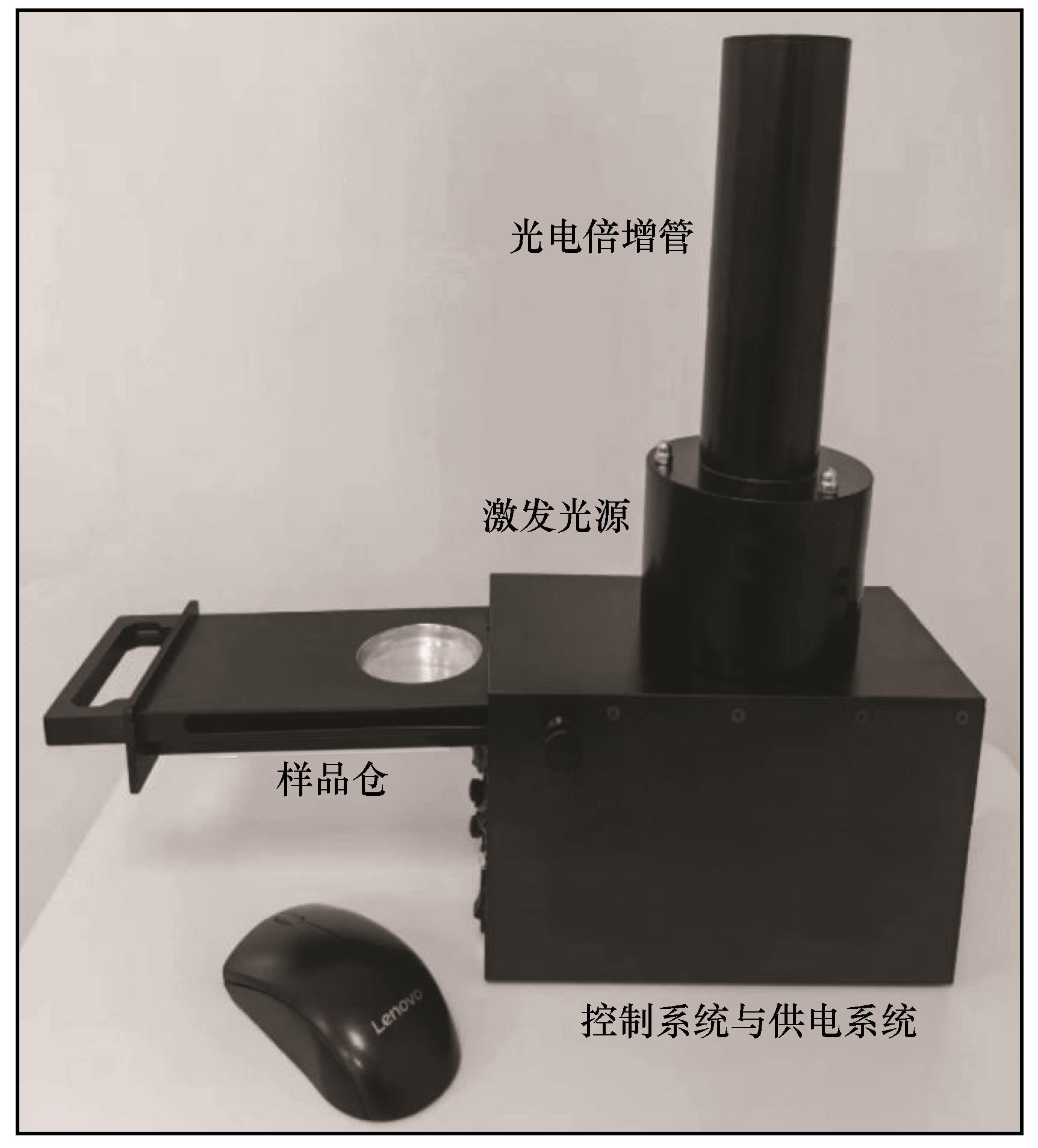
Fig.1 Portable OSL reader
| 测试步骤 | 测试类型 | 测试时间/s |
|---|---|---|
| 1 | 背景值测试 | 15 |
| 2 | 红外光测试1 | 30 |
| 3 | 红外光测试2 | 30 |
| 4 | 背景值测试 | 15 |
| 5 | 蓝光测试1 | 30 |
| 6 | 蓝光测试2 | 30 |
| 7 | 背景值测试 | 15 |
Table 2 Test procedure of portable optically stimulated luminescence with multi-step method
| 测试步骤 | 测试类型 | 测试时间/s |
|---|---|---|
| 1 | 背景值测试 | 15 |
| 2 | 红外光测试1 | 30 |
| 3 | 红外光测试2 | 30 |
| 4 | 背景值测试 | 15 |
| 5 | 蓝光测试1 | 30 |
| 6 | 蓝光测试2 | 30 |
| 7 | 背景值测试 | 15 |
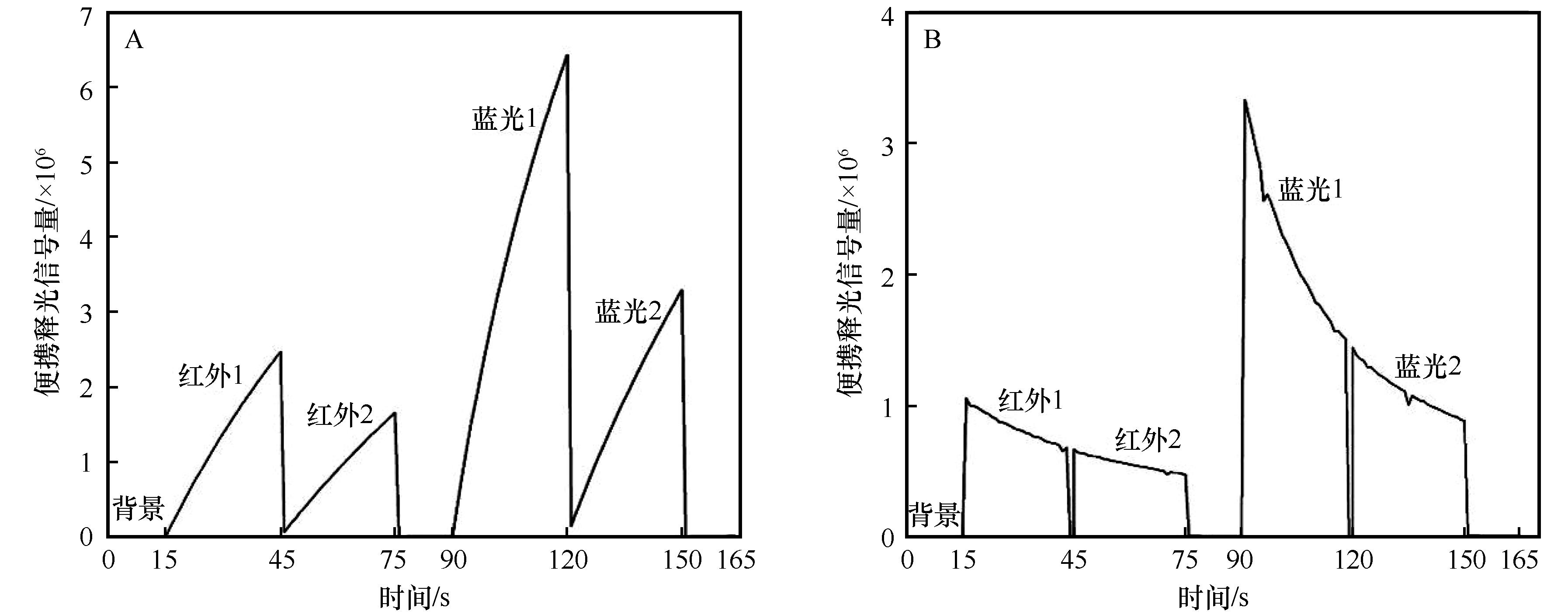
Fig.2 POSL signal accumulation curves (A) and POSL luminescence signal decay curves (B)
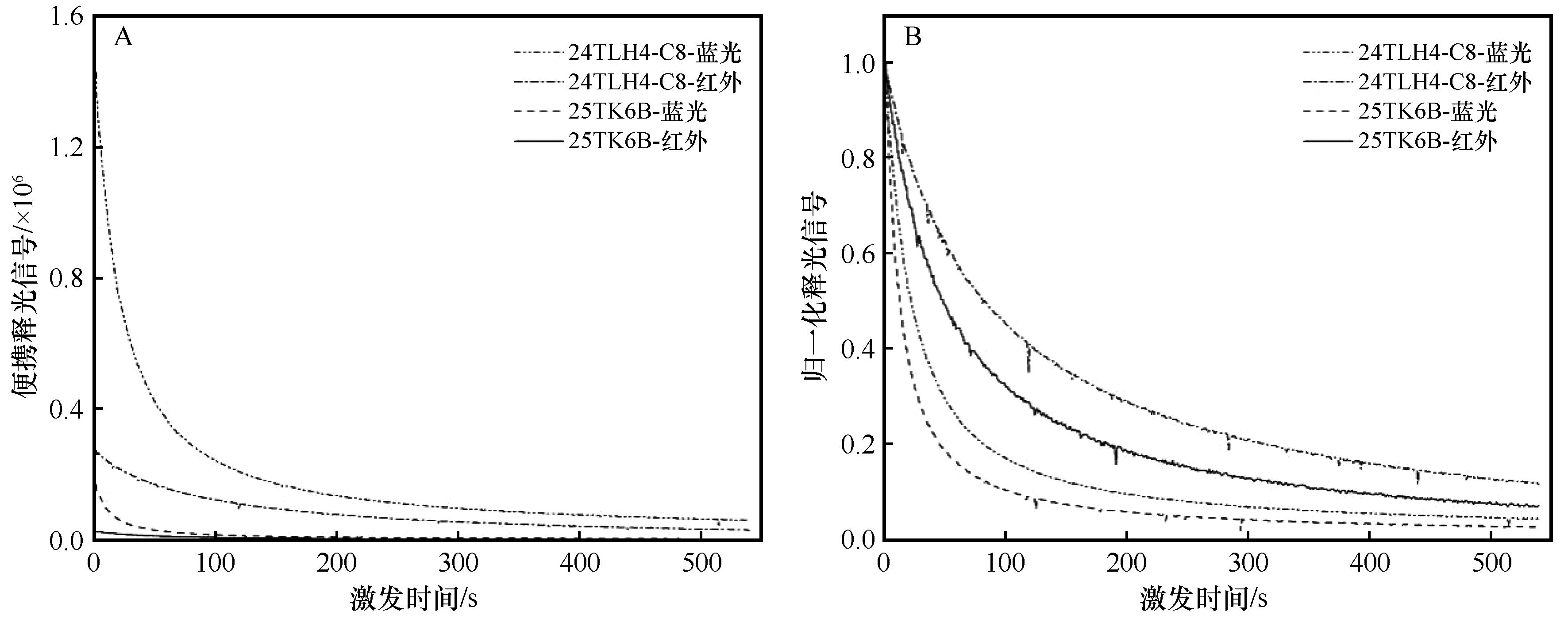
Fig.3 Decay curves of luminescence signal of portable optically stimulated luminescence
| 条件变量 | 实验内容 |
|---|---|
| 重复性 | 对不同等效剂量的5个样品进行重复性实验,每个样品制备3组平行样品进行测试 |
| 样品量 | 对同一样品分别称取质量为1.5、3、4.5 g铺满样品盒测试 |
表面情况 样品位置 | 制备的样品表面呈现不同形态(原样与压实、平铺与起伏)进行测试 制备3个直径8.5 mm的载样碟测片,集中于中间或分散于四周摆放测试 |
| 含水量 | 将样品放置烘箱不同时间后测量样品的实际含水量,测试不同含水量下POSL信号量差异 |
| 矿物组成 | 提取柴达木盆地沙漠和内盖夫沙漠风成砂的钾长石和石英矿物测试POSL信号量,对比不同地区两种矿物的信号量贡献 |
| 粒径 | 筛取释光测年中常用粒径组分,测试不同粒径下样品POSL信号量差异 |
| 曝光方式及时间 | 对比样品在LED灯(48W)下曝光不同时间(0 s、1 min、2 min、5 min、10 min和30 min)和在阴、晴两种太阳光照条件下曝光不同时间(0 s、5 s、10 s、20 s、30 s、1 min、2 min、3min、4min、5 min、10 min、15 min、20 min和30 min)后POSL信号的晒退情况 |
Table 3 Primary content of contrast experiment
| 条件变量 | 实验内容 |
|---|---|
| 重复性 | 对不同等效剂量的5个样品进行重复性实验,每个样品制备3组平行样品进行测试 |
| 样品量 | 对同一样品分别称取质量为1.5、3、4.5 g铺满样品盒测试 |
表面情况 样品位置 | 制备的样品表面呈现不同形态(原样与压实、平铺与起伏)进行测试 制备3个直径8.5 mm的载样碟测片,集中于中间或分散于四周摆放测试 |
| 含水量 | 将样品放置烘箱不同时间后测量样品的实际含水量,测试不同含水量下POSL信号量差异 |
| 矿物组成 | 提取柴达木盆地沙漠和内盖夫沙漠风成砂的钾长石和石英矿物测试POSL信号量,对比不同地区两种矿物的信号量贡献 |
| 粒径 | 筛取释光测年中常用粒径组分,测试不同粒径下样品POSL信号量差异 |
| 曝光方式及时间 | 对比样品在LED灯(48W)下曝光不同时间(0 s、1 min、2 min、5 min、10 min和30 min)和在阴、晴两种太阳光照条件下曝光不同时间(0 s、5 s、10 s、20 s、30 s、1 min、2 min、3min、4min、5 min、10 min、15 min、20 min和30 min)后POSL信号的晒退情况 |
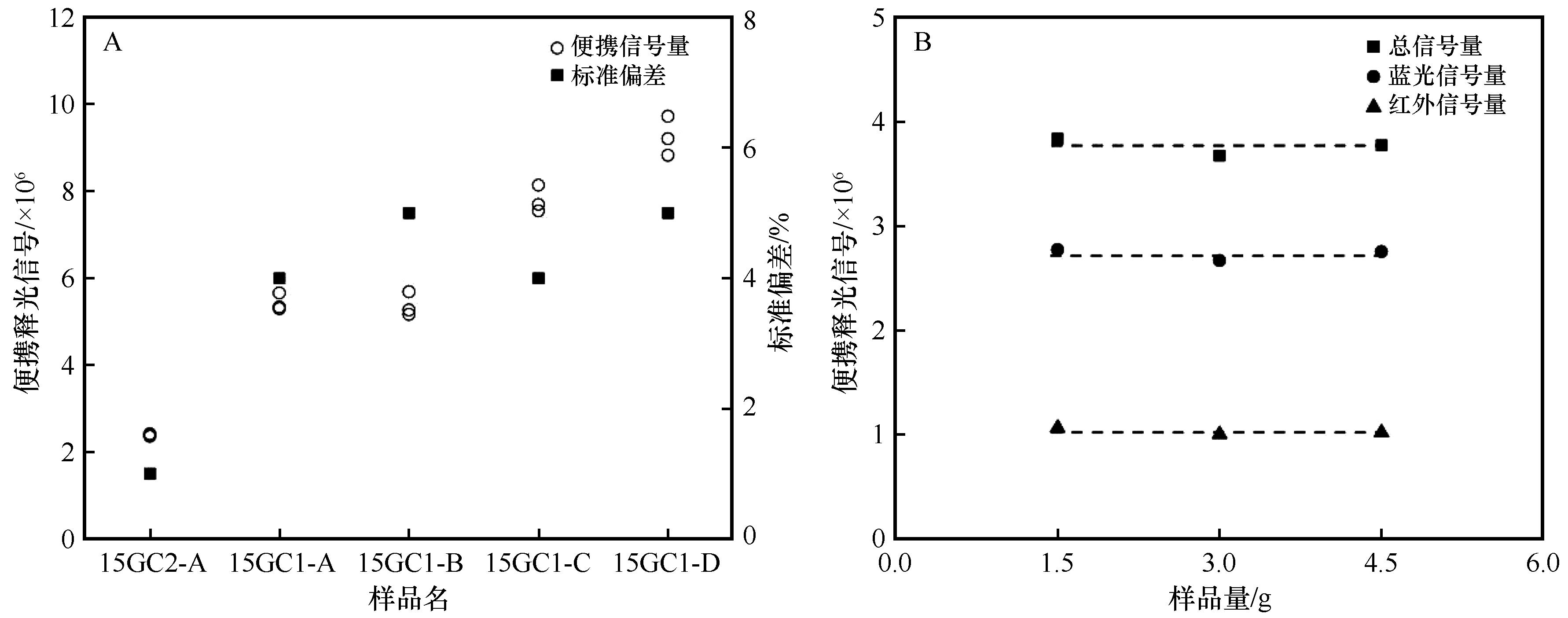
Fig.4 Test of repeatability and quantity of samples
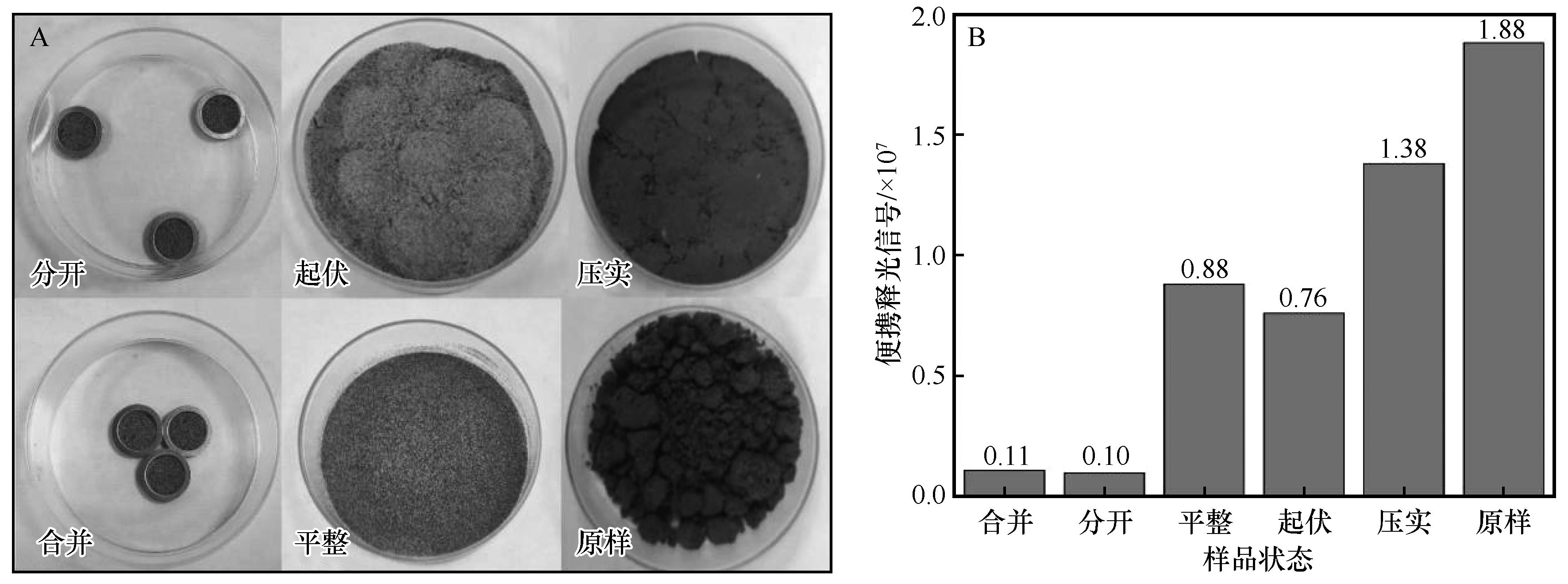
Fig.5 Different surface morphologies/pattern and corresponding portable optically stimulated luminescence signals
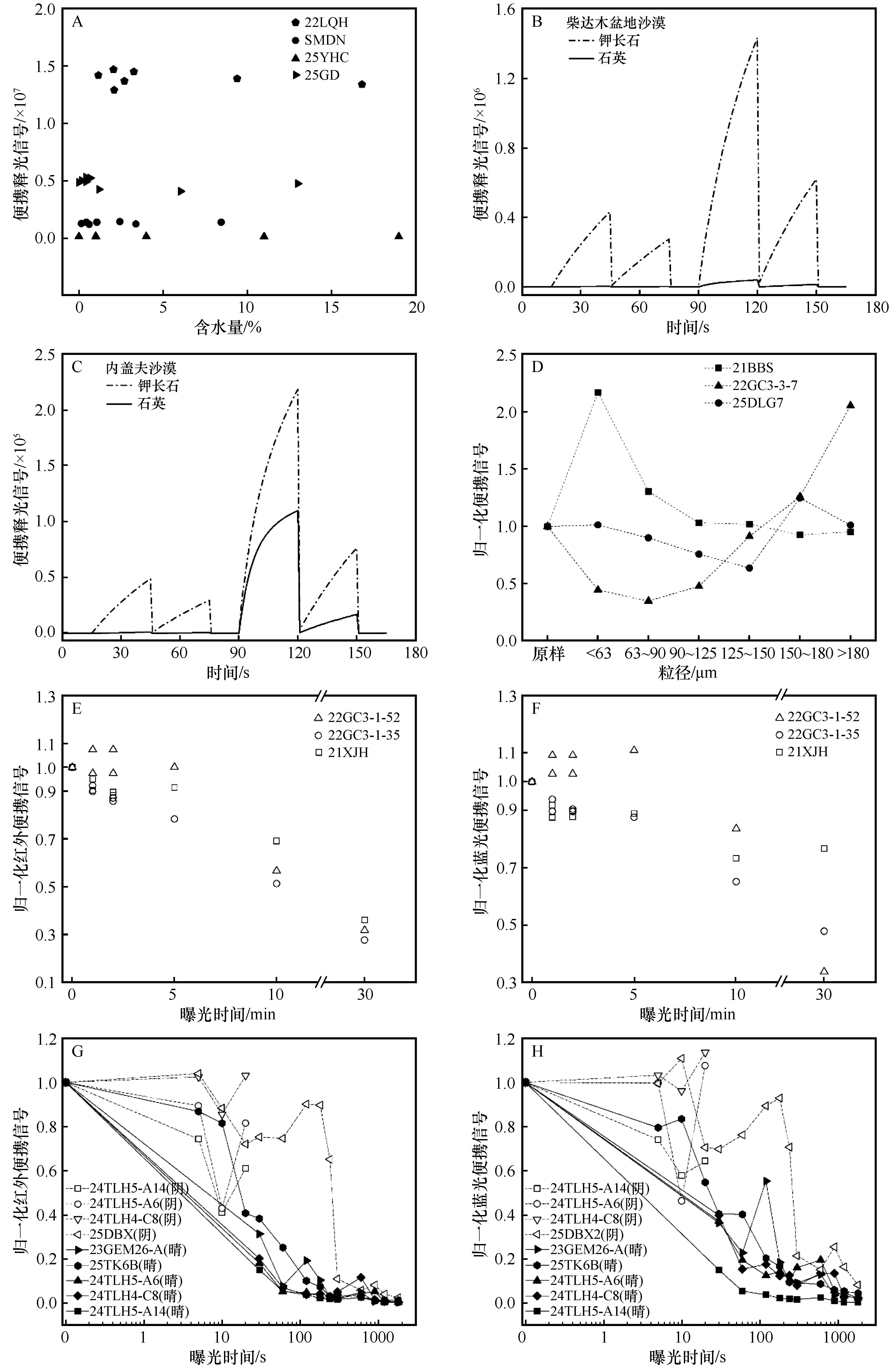
Fig.6 Comparison of portable optically stimulated luminescence signals for water content (A), mineral composition (B, C), grain size (D), and bleach protocol and times (E, F, G, H)
| [1] | Aitken M J.An Introduction to Optical Dating[M].London,UK:Oxford University Press,1998. |
| [2] | Murray A, Arnold L J, Buylaert J P,et al.Optically stimulated luminescence dating using quartz[J].Nature Reviews Methods Primers,2021,1(1):1-31. |
| [3] | Yu L P, Lai Z P.OSL chronology and palaeoclimatic implications of aeolian sediments in the eastern Qaidam Basin of the northeastern Qinghai-Tibetan Plateau[J].Palaeogeography Palaeoclimatology Palaeoecology,2012,337/338:120-129. |
| [4] | Yu L P, Lai Z P.Holocene climate change inferred from stratigraphy and OSL chronology of aeolian sediments in the Qaidam Basin,northeastern Qinghai-Tibetan Plateau[J].Quaternary Research,2014,81(3):488-499. |
| [5] | Yu L P, Lai Z P, An P,et al.Aeolian sediments evolution controlled by fluvial processes,climate change and human activities since LGM in the Qaidam Basin,Qinghai-Tibetan Plateau[J].Quaternary International,2015,372(22):23-32. |
| [6] | Yu L P, Sun Y, An P,et al.Dunefield expansion and paleoclimate during MIS 3 in the Qaidam Basin, northeastern Tibetan Plateau:evidence from aeolian-fluvial processes and revised luminescence chronologies[J].Catena,2022,215:106354. |
| [7] | An P, Yu L P, Wang Y X,et al.Holocene incisions and flood activities of the Keriya River,NW margin of the Tibetan Plateau[J].Journal of Asian Earth Sciences,2020,191:104-224. |
| [8] | Murray A S, Wintle A G.Luminescence dating of quartz using an improved single-aliquot regenerative-dose protocol[J].Radiation Measurements,2000,32(1):57-73. |
| [9] | Murray A S, Wintle A G.The single aliquot regenerative dose protocol:potential for improvements in reliability[J].Radiation Measurements,2003,37(4/5):377-381. |
| [10] | Li B, Li S H.Luminescence dating of K-feldspar from sediments:a protocol without anomalous fading correction[J].Quaternary Geochronology,2011,6(5):468-479. |
| [11] | Fu X, Li S H.A modified multi-elevated-temperature post-IR IRSL protocol for dating Holocene sediments using K-feldspar[J].Quaternary Geochronology,2013,17:44-54. |
| [12] | 鹿化煜, Thomas S,弋双文,等.高密度光释光测年揭示的距今约15~10 ka黄土高原侵蚀事件[J].科学通报,2006(23):2767-2772. |
| [13] | Sanderson D C W, Murphy S.Using simple portable OSL measurements and laboratory characterisation to help understand complex and heterogeneous sediment sequences for luminescence dating[J].Quaternary Geochronology,2010,5(2/3):299-305. |
| [14] | Munyikwa K, Kinnaird T C, Sanderson D C W.The potential of portable luminescence readers in geomorphological investigations:a review[J].Earth Surface Processes and Landforms,2020,46(1):131-150. |
| [15] | Stone A E C, Bateman M D, Thomas D S G.Rapid age assessment in the Namib Sand Sea using a portable luminescence reader[J].Quaternary Geochronology,2015,30:134-140. |
| [16] | Robins L, Greenbaum N, Yu L P,et al.High-resolution portable-OSL analysis of vegetated linear dune construction in the margins of the northwestern Negev dunefield (Israel) during the late Quaternary[J].Aeolian Research,2021,50:100680. |
| [17] | Robins L, Roskin J, Yu L P,et al.Aeolian-fluvial processes control landscape evolution along dunefield margins of the northwestern Negev (Israel) since the late Quaternary[J].Quaternary Science Reviews,2022,285:107520. |
| [18] | Nitundil S, Stone A, Srivastava A.Applicability of using portable luminescence reader for rapid age-assessments of dune accumulation in the Thar Desert,India[J].Quaternary Geochronology,2023,78:101468. |
| [19] | Munyikwa K, Gilliland K, Plumb E,et al.Investigating post-depositional sediment mixing at an archaeological site on the northern plains using a portable optically stimulated luminescence (OSL) reader[J].Journal of Archaeological Science:Reports,2020,30:102508. |
| [20] | Esperanza M S, Paul B, David C W S,et al.Interpreting luminescence data from a portable OSL reader:three case studies in fluvial settings[J].Landforms,2011,36:651-660. |
| [21] | Duross C B, Gold R D, Gray H J,et al.Portable optically stimulated luminescence age map of a paleoseismic exposure[J].Geology,2022,50(4):470-475. |
| [22] | Bateman M D, Stein S, Ashurst R A,et al.Instant luminescence chronologies?High resolution luminescence profiles using a portable luminescence reader[J].Quaternary Geochronology,2015,30:141-146. |
| [23] | Portenga E W, Bishop P.Confirming geomorphological interpretations based on portable OSL reader data[J].Earth Surface Processes and Landforms,2015,41(3):427-432. |
| [24] | Li G Q, Wang X Y, Zhang X J,et al.Westerlies-Monsoon interaction drives out-of-phase precipitation and asynchronous lake level changes between Central and East Asia over the last millennium[J].Catena,2022,218:106568. |
| [25] | 吕荫.高分辨率光释光测年揭示的柴达木盆地灌丛沙丘发育特征[D].大连:辽宁师范大学,2024. |
| [26] | 安庆.柴达木盆地灌丛沙丘的光释光年代学及环境意义[D].济南:山东师范大学,2018. |
| [27] | 刘霞,刘剑刚,安萍,等.黄河流域现代沉积物的石英光释光残余剂量特征[J].中国沙漠,2024,44(6):26-36. |
| [28] | Du Y, Lu R J, Ma L,et al.,A formation record of modern Nitraria tangutorum nebkhas on the Ordos Plateau of northern China based on optically stimulated luminescence dating[J].Quaternary Geochronology,2024,82:101550. |
| [29] | Zhang J P, Jiang L P, Yu L P,et al.Rice's trajectory from wild to domesticated in East Asia[J].Science,2024,384(6698):901-906. |
| [30] | Sawakuchi A O, Blair M W, Dewitt R,et al.Thermal history versus sedimentary history:OSL sensitivity of quartz grains extracted from rocks and sediments[J].Quaternary Geochronology,2011,6(2):261-272. |
| [31] | Jeong G Y, Choi J H.Variations in quartz OSL components with lithology,weathering and transportation[J].Quaternary Geochronology,2012,10:320-326. |
| [32] | 张克旗,吴中海,吕同艳,等.光释光测年法:综述及进展[J].地质通报,2015(1):183-203. |
| [33] | 李娟,何同.中国沙漠的碎屑长石矿物与冰期风尘示踪[J].高校地质学报,2021,27(3):366-374. |
| [34] | Lu T Y, Sun J M.Luminescence sensitivities of quartz grains from eolian deposits in northern China and their implications for provenance[J].Quaternary Research,2011,76(2):181-189. |
| [35] | Preusser F, Ramseyer K, Schlüchter C.Characterisation of low OSL intensity quartz from the New Zealand Alps[J].Radiation Measurements,2006,41(7/8):871-877. |
| [36] | Preusser F, Chithambo M L, Götte T,et al.Quartz as a natural luminescence dosimeter[J].Earth-Science Reviews,2009,97(1/4):184-214. |
| [37] | Zheng C X, Zhou L P, Qin J T.Difference in luminescence sensitivity of coarse-grained quartz from deserts of northern China[J].Radiation Measurements,2009,44(5/6):534-537. |
| [38] | 付旭东,王岩松.中国沙漠物源研究:回顾与展望[J].沉积学报,2015,33(6):1063-1073. |
| [39] | 杨石岭,丁仲礼.黄土高原黄土粒度的空间变化及其古环境意义[J].第四纪研究,2017,37(5):934-944. |
| [40] | 宋洁,春喜,白雪梅,等.中国沙漠粒度分析研究综述[J].中国沙漠,2016,36(3):597-603. |
| [41] | Dong Z B, Hu G Y, Qian G Q,et al.High-altitude aeolian research on the Tibetan Plateau[J].Reviews of Geophysics,2017,55:864-901. |
| [42] | Zhang J F.Consideration of grain size in optical dating of Quaternary sediments[J].Quaternary International,2012,279/280:559-560. |
| [43] | 刘剑刚,文欢,于禄鹏,等.江西上湖遗址的石英光释光年代及其信号晒退研究[J].盐湖研究,2024,32(4):25-31. |
| [1] | Jiarong Xie, Xiaohao Wen, Xianjiao Ou, Dongfeng Niu, Shuangshuang Wang, Mingkun Qiu. K-feldspar single-grain post-IR IRSL dating of modern dune sand in the Salawusu River Valley [J]. Journal of Desert Research, 2024, 44(6): 135-145. |
| [2] | Min Cao, Lupeng Yu, Ping An, Zhibao Dong, Junxiang Zhao, Zhongping Lai, Changsheng Wang. Luminescence chronology and environmental implications of palaeolacustrine sediments beneath linear dunes in northern Qarhan Salt Lake region [J]. Journal of Desert Research, 2021, 41(1): 101-110. |
| [3] | Yang Hongyu, Zhao Hui, Wang Xingfan. Establishing Standard Growth Curve (SGC) for Optical Dating of K-feldspar by Least Square Method [J]. Journal of Desert Research, 2019, 39(1): 97-104. |
| [4] | YU Lu-peng1,2,3, LAI Zhong-ping2,3, AN Ping1. OSL Chronology of Paleodunes in the Middle and Southwestern Qaidam Basin, China [J]. JOURNAL OF DESERT RESEARCH, 2013, 33(2): 453-462. |
| [5] | XU Shu-jian;WANG Tao. Optically Stimulated Luminescence Dating and Sedimentary Characteristicsof Loess Section at Penglai in Shandong Province [J]. JOURNAL OF DESERT RESEARCH, 2011, 31(2): 295-301. |
| [6] | TAN Hui-zhong, WU Zheng. TL Dating of the "Old Red Sand" on the Coasts of Fujian and Guangdong [J]. JOURNAL OF DESERT RESEARCH, 2001, 21(4): 393-396. |
| [7] | LAI Zhong-ping, ZHOU Jie, XIA Ying-fei, WANG Yong-jin, CHEN Jun. Luminescence Geochronology of Xiashu Loess near Nanjing [J]. JOURNAL OF DESERT RESEARCH, 2001, 21(2): 116-121. |
| [8] | LAI Zhong ping, ZHOU Jie, LU Yan chou, A. K. Singhvi. Luminescence Dating of Aeolian Sediments Using Single Aliquot Technique [J]. JOURNAL OF DESERT RESEARCH, 1999, 19(4): 403-406. |
| [9] | Sun Jimin, Yin Gongming, Chen Jie, Ding Zhongli, Liu Tungsheng. THERMOLUMINESCENCE CHRONOLOGY OF AEOLIAN SEQUENCES IN YULIN AND THE ARID EPISODES OF THIS REGION [J]. JOURNAL OF DESERT RESEARCH, 1997, 17(1): 1-8. |
| Viewed | ||||||
|
Full text |
|
|||||
|
Abstract |
|
|||||
©2018Journal of Desert Research
Tel:0931-8267545
Email:caiedit@lzb.ac.cn;desert@lzb.ac.cn
Support:Magtech
