img

官方微信

高级检索

中国沙漠 ›› 2026, Vol. 46 ›› Issue (5): 52-63.DOI: 10.7522/j.issn.1000-694X.2026.00050

• • 上一篇    下一篇

刷状葵骨固沙障材料性能与固沙效益

屈建军1,2(), 朱志昊2(), 彭怀午3, 李玉进3   

  1. 1.南方海洋科学与工程广东省实验室(广州),广东 广州 511458
    2.西北大学 城市与环境学院,陕西 西安 710127
    3.中国电建集团西北勘测设计研究院有限公司,陕西 西安 710100
  • 收稿日期:2026-01-20 修回日期:2026-03-26 出版日期:2026-09-20 发布日期:2026-11-02
  • 通讯作者: 朱志昊
  • 作者简介:屈建军(1959—),男,陕西西安人,博士,教授,博士生导师,研究方向为风沙防治工程。E-mail: qujianj@lzb.ac.cn
  • 基金资助:
    南方海洋科学与工程广东省实验室(广州)人才队伍经费项目(GML20220014);国家重点研发计划项目(2022YFB4202100)

Material performances and sand-fixing benefits of brush Kuigu barriers

Jianjun Qu1,2(), Zhihao Zhu2(), Huaiwu Peng3, Yujin Li3   

  1. 1.Southern Marine Science and Engineering Guangdong Laboratory (Guangzhou),Guangzhou 511458,China
    2.College of Urban and Environmental Sciences,Northwest University,Xi'an 710127,China
    3.POWERCHINA Northwest Engineering Corporation Limited,Xi'an 710100,China
  • Received:2026-01-20 Revised:2026-03-26 Online:2026-09-20 Published:2026-11-02
  • Contact: Zhihao Zhu

摘要:

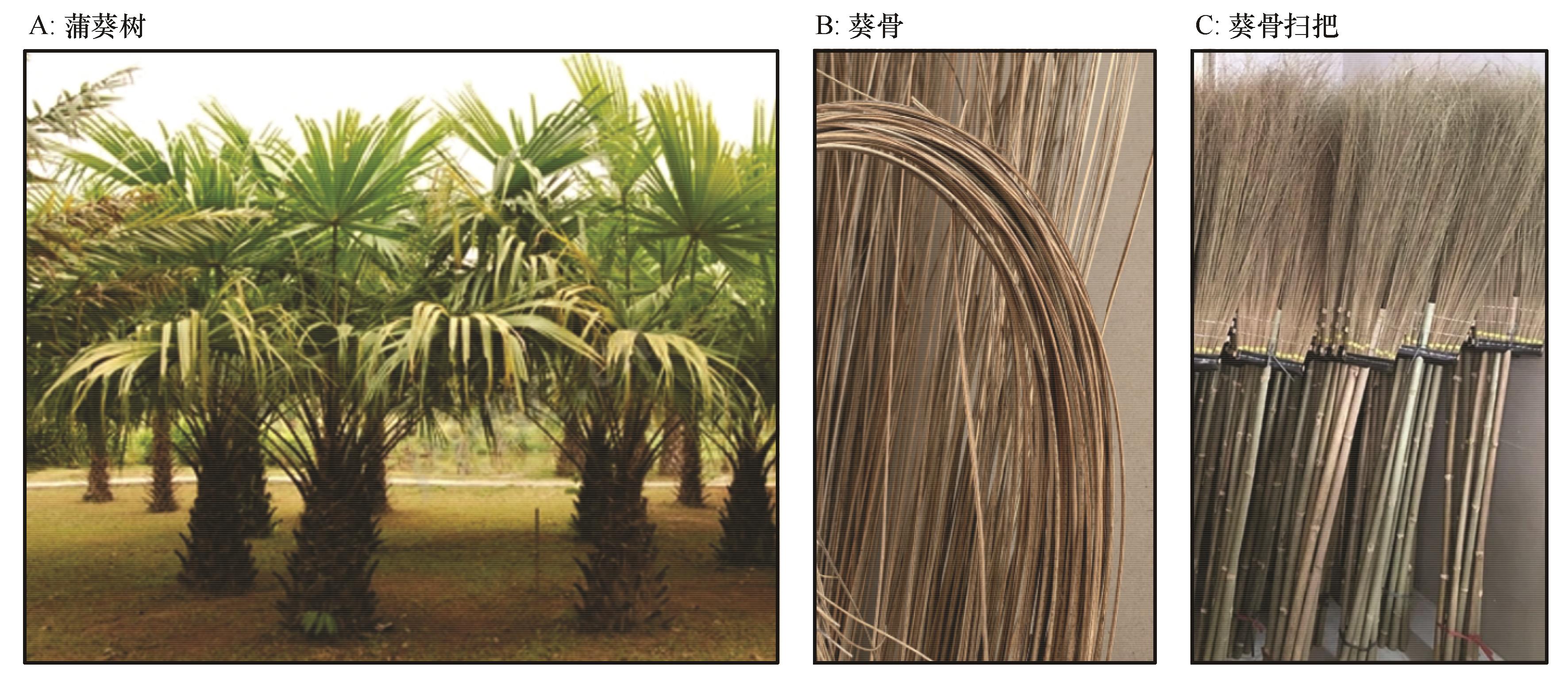
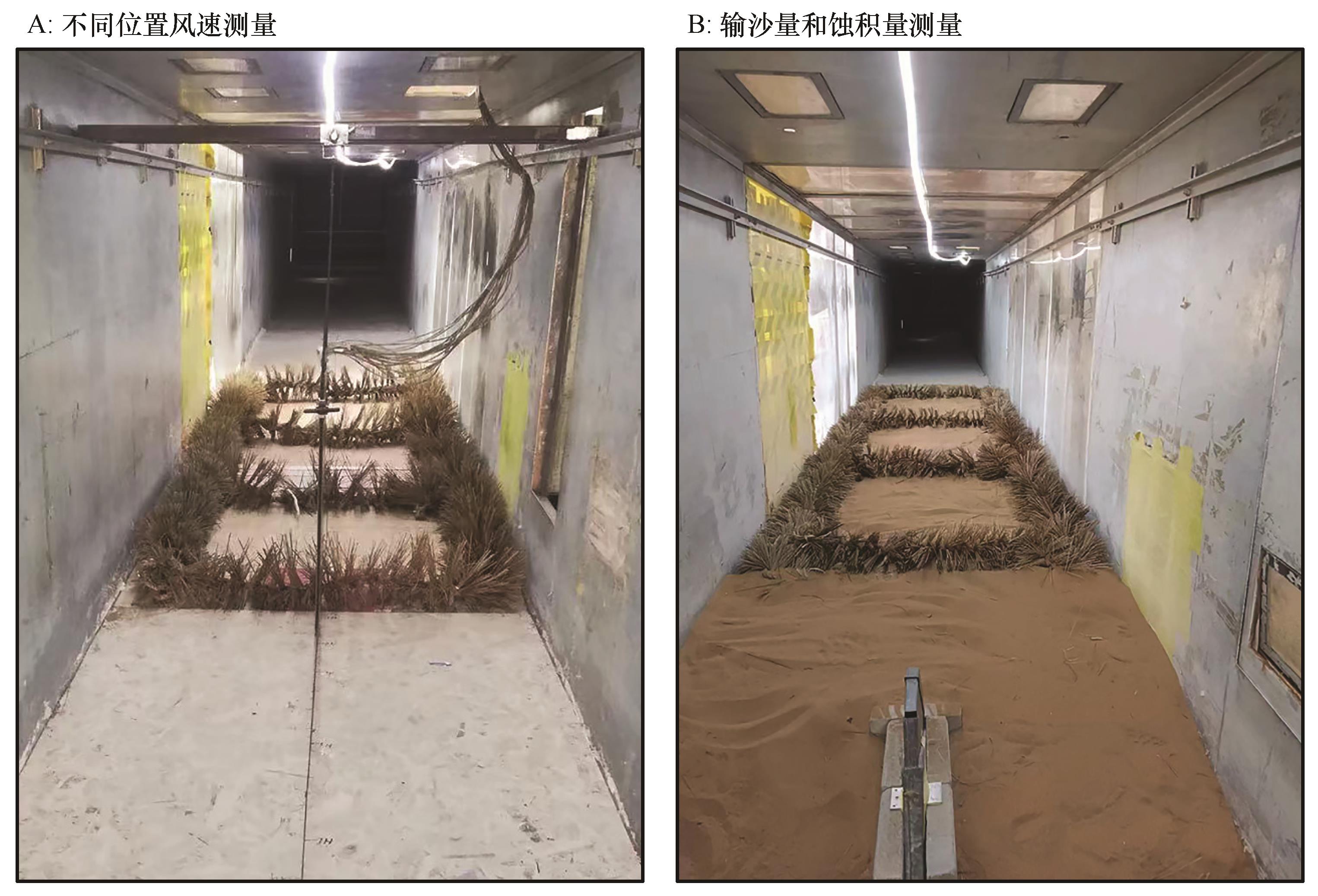
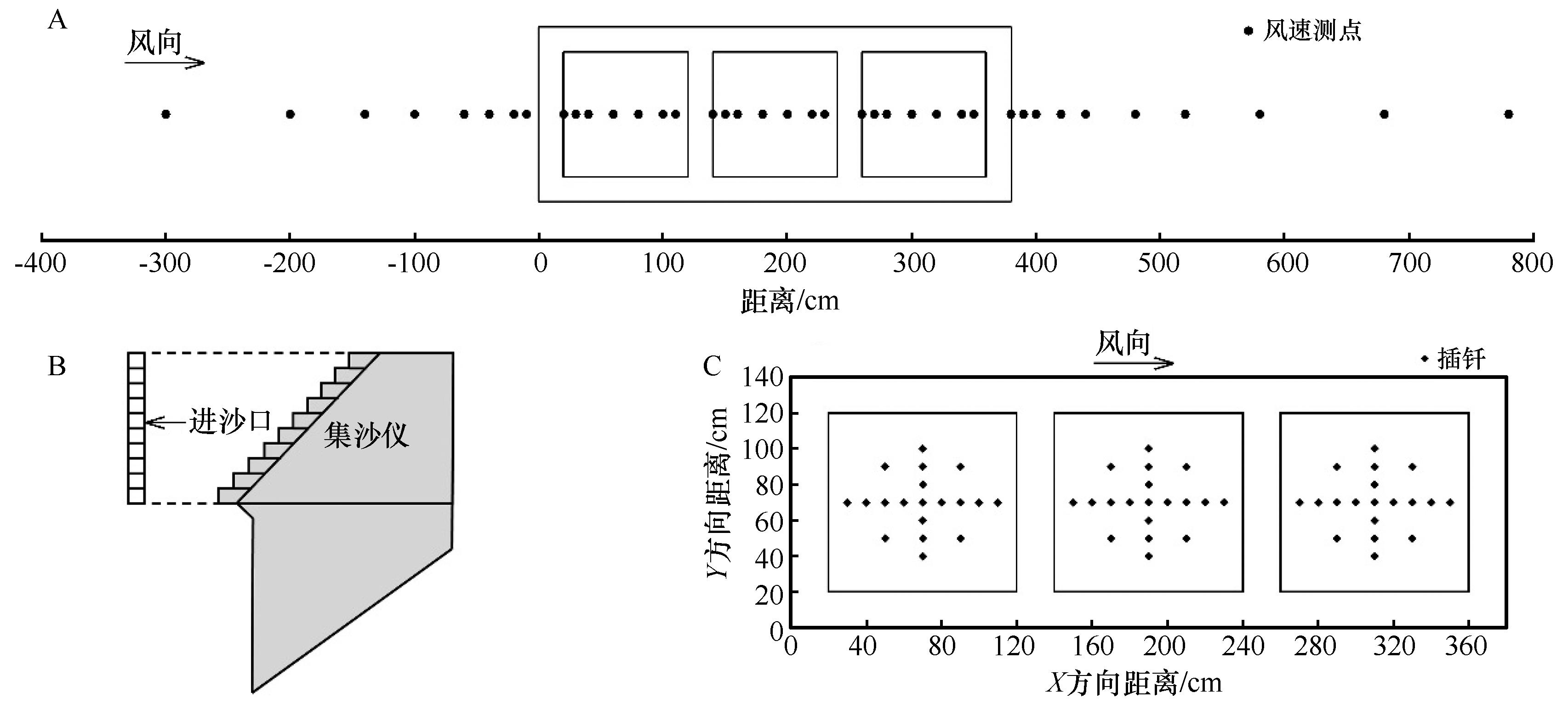
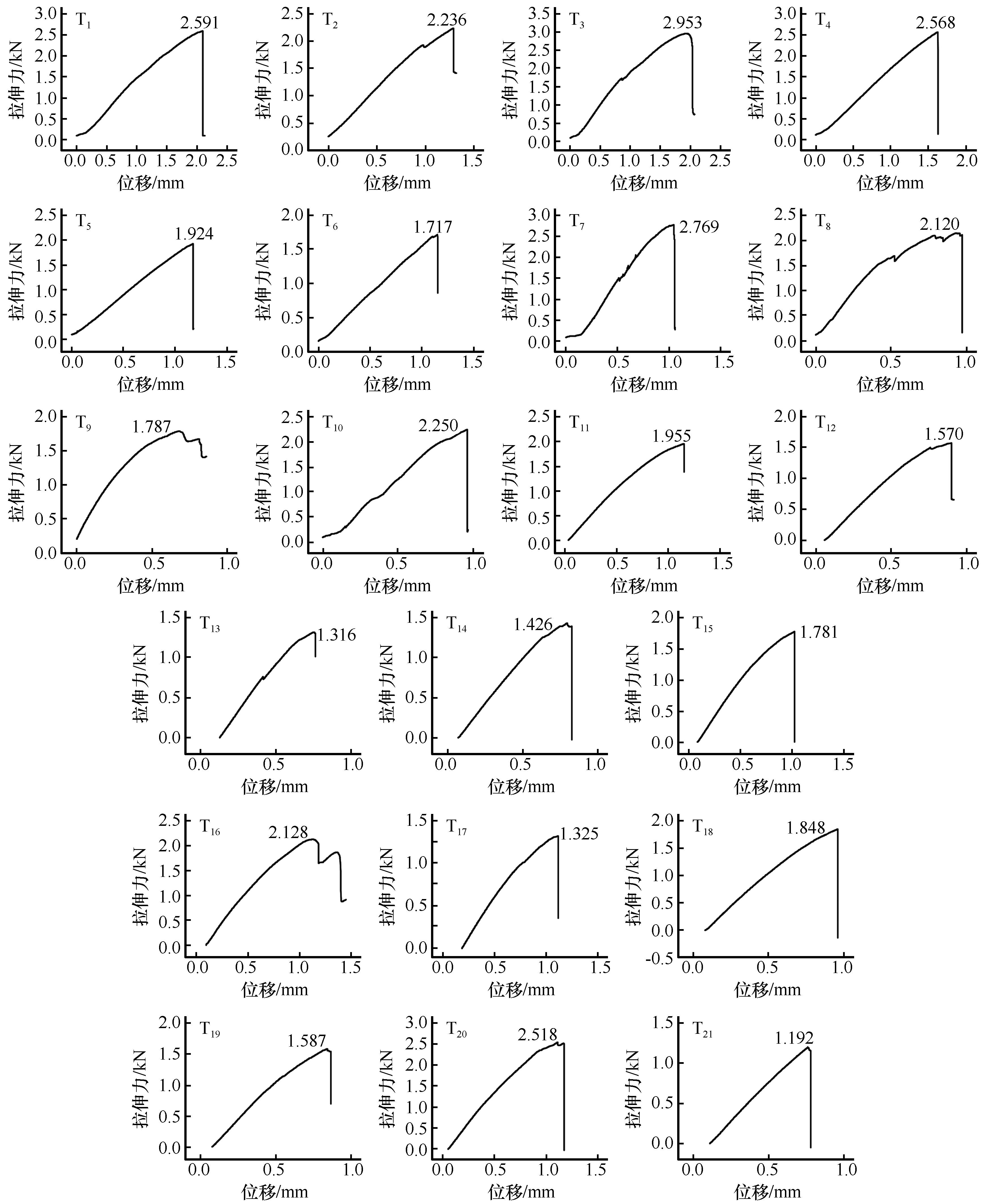
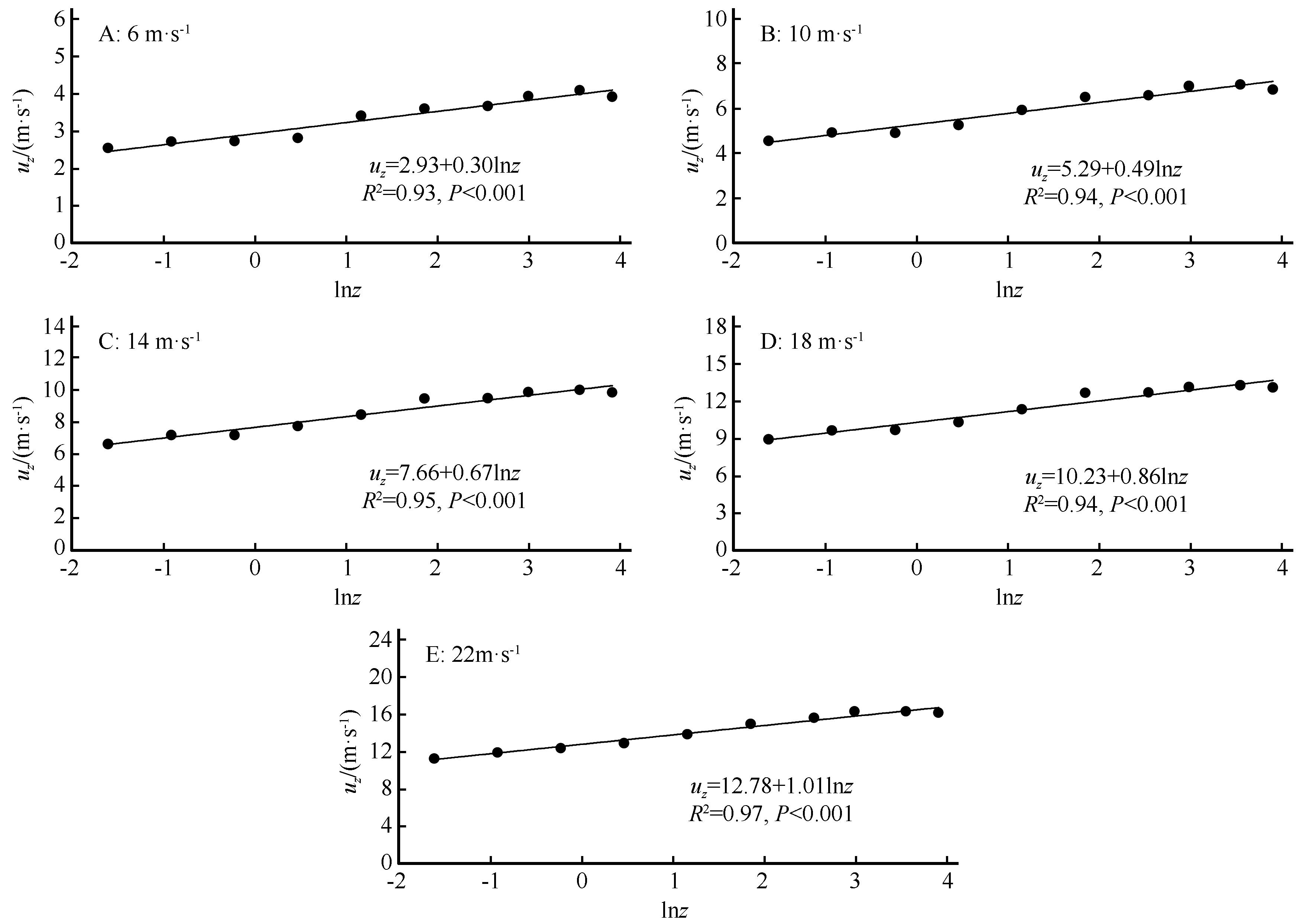
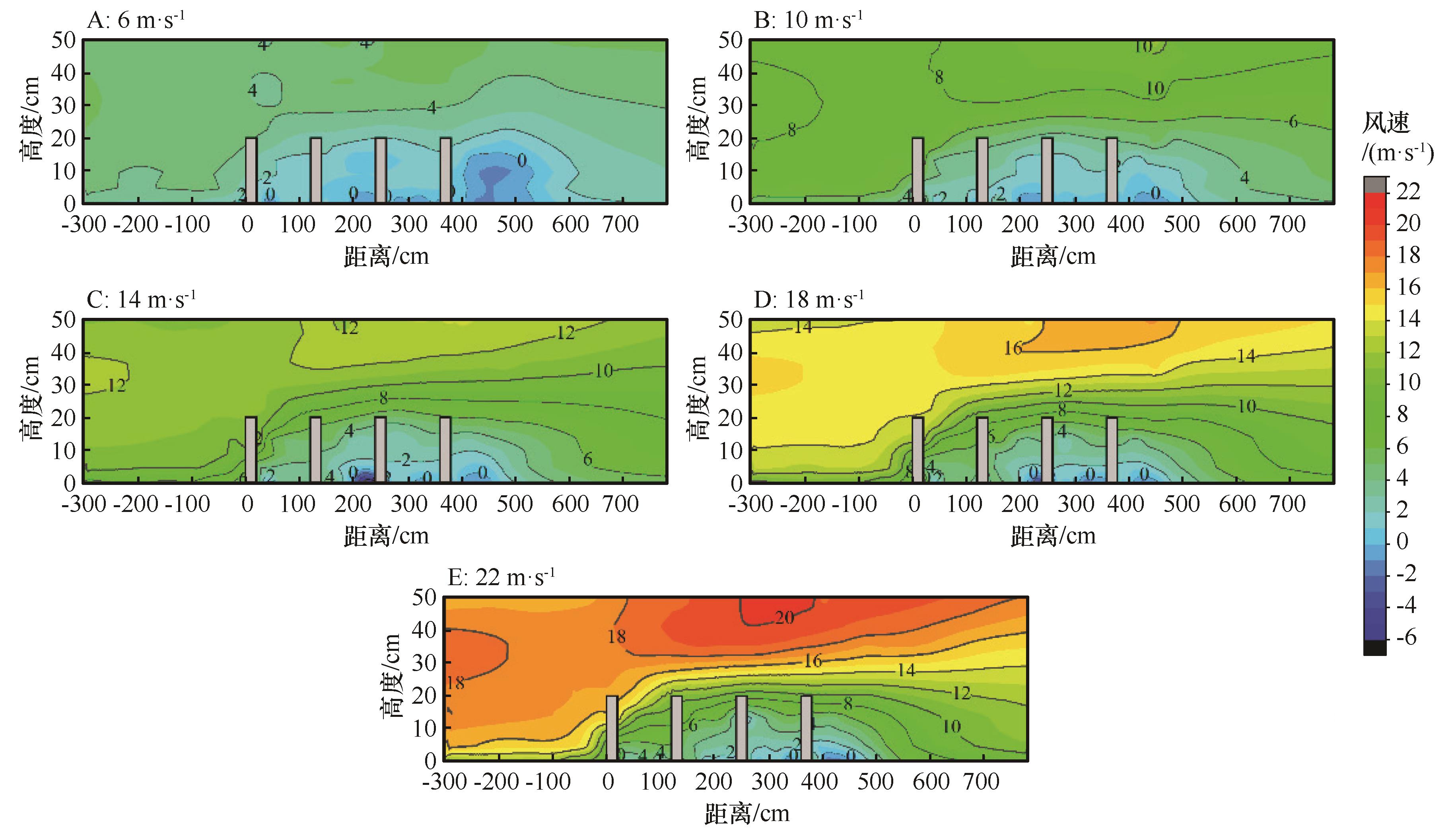
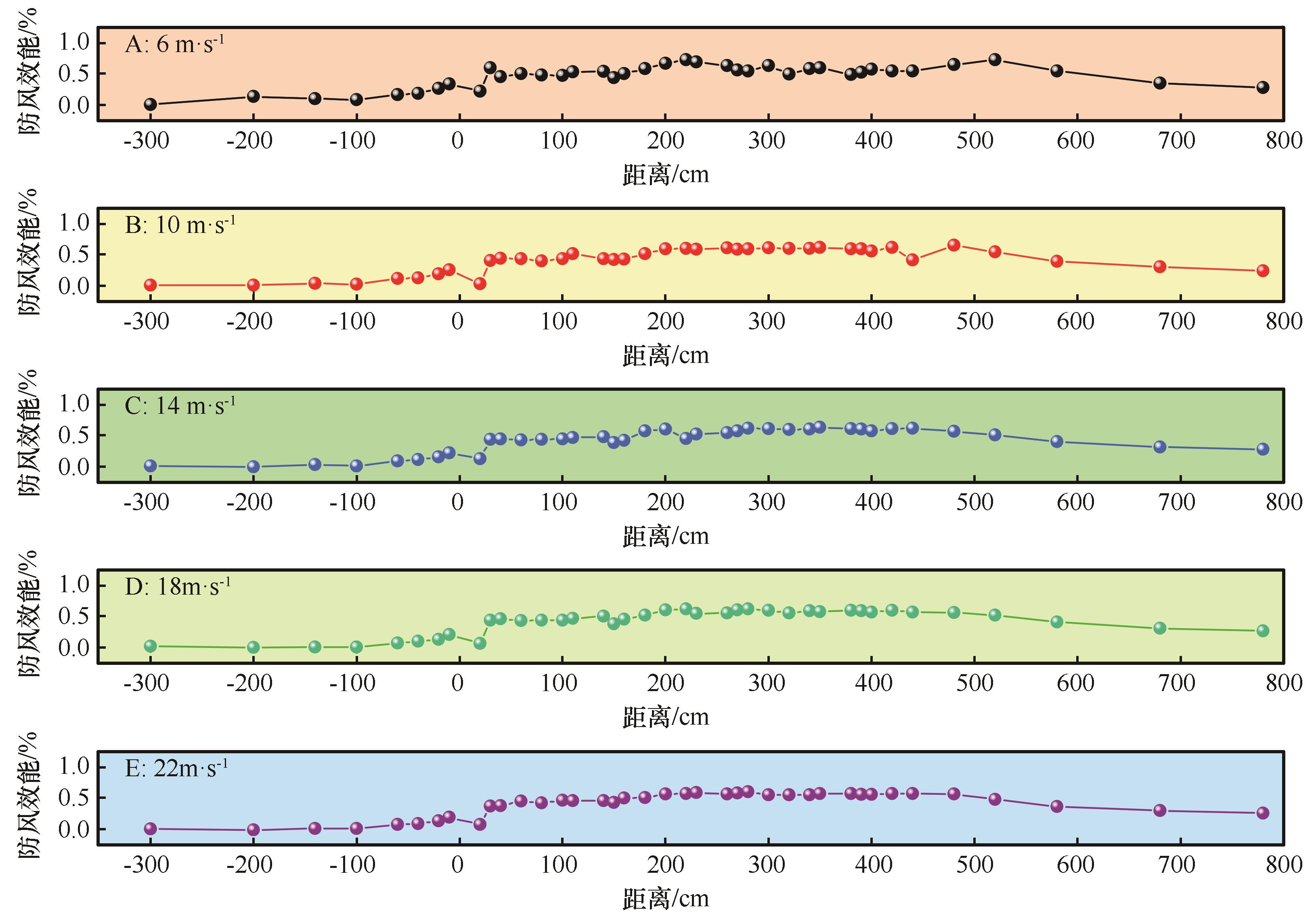
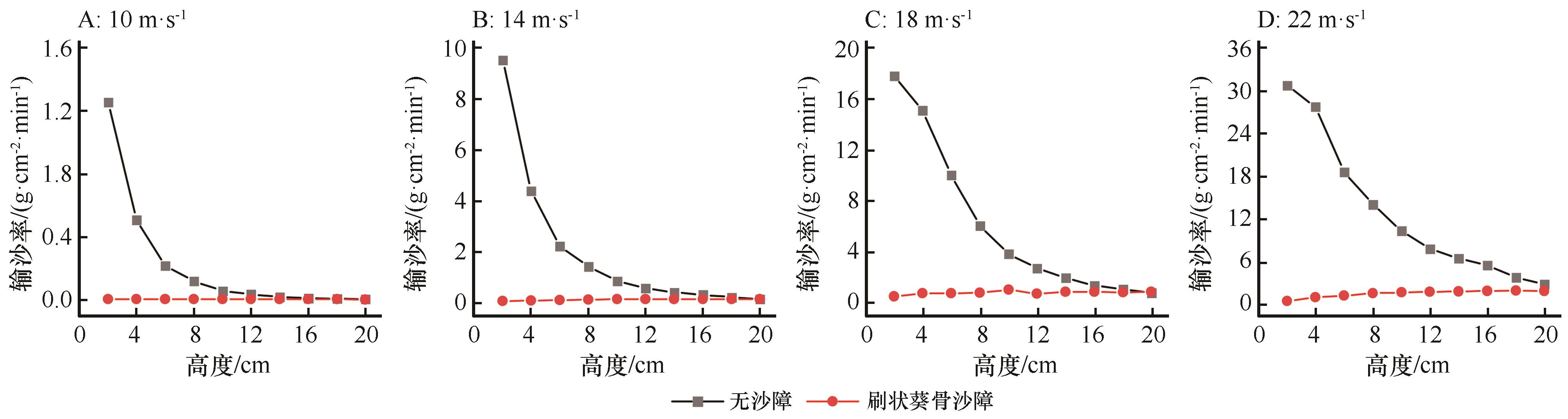
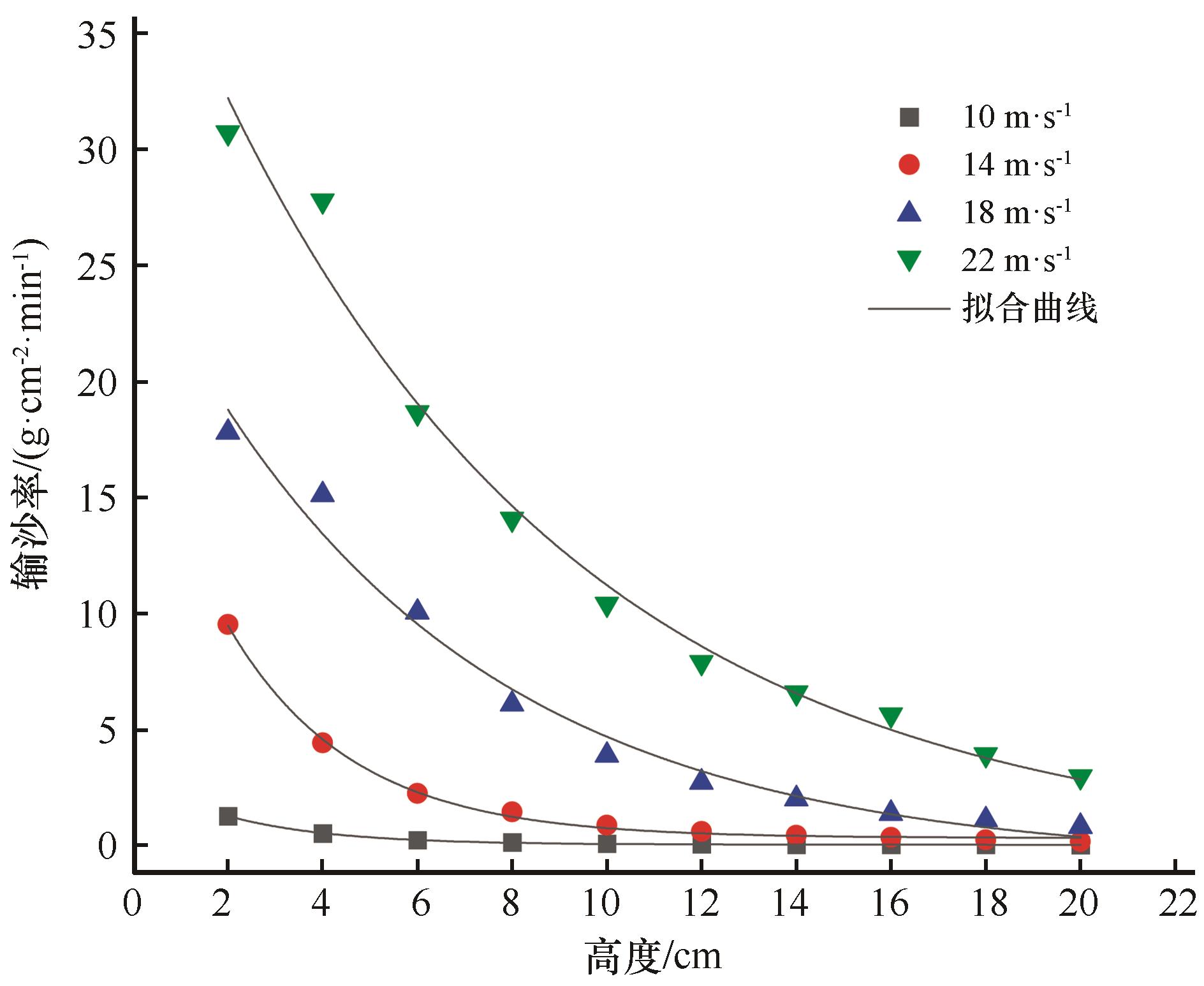
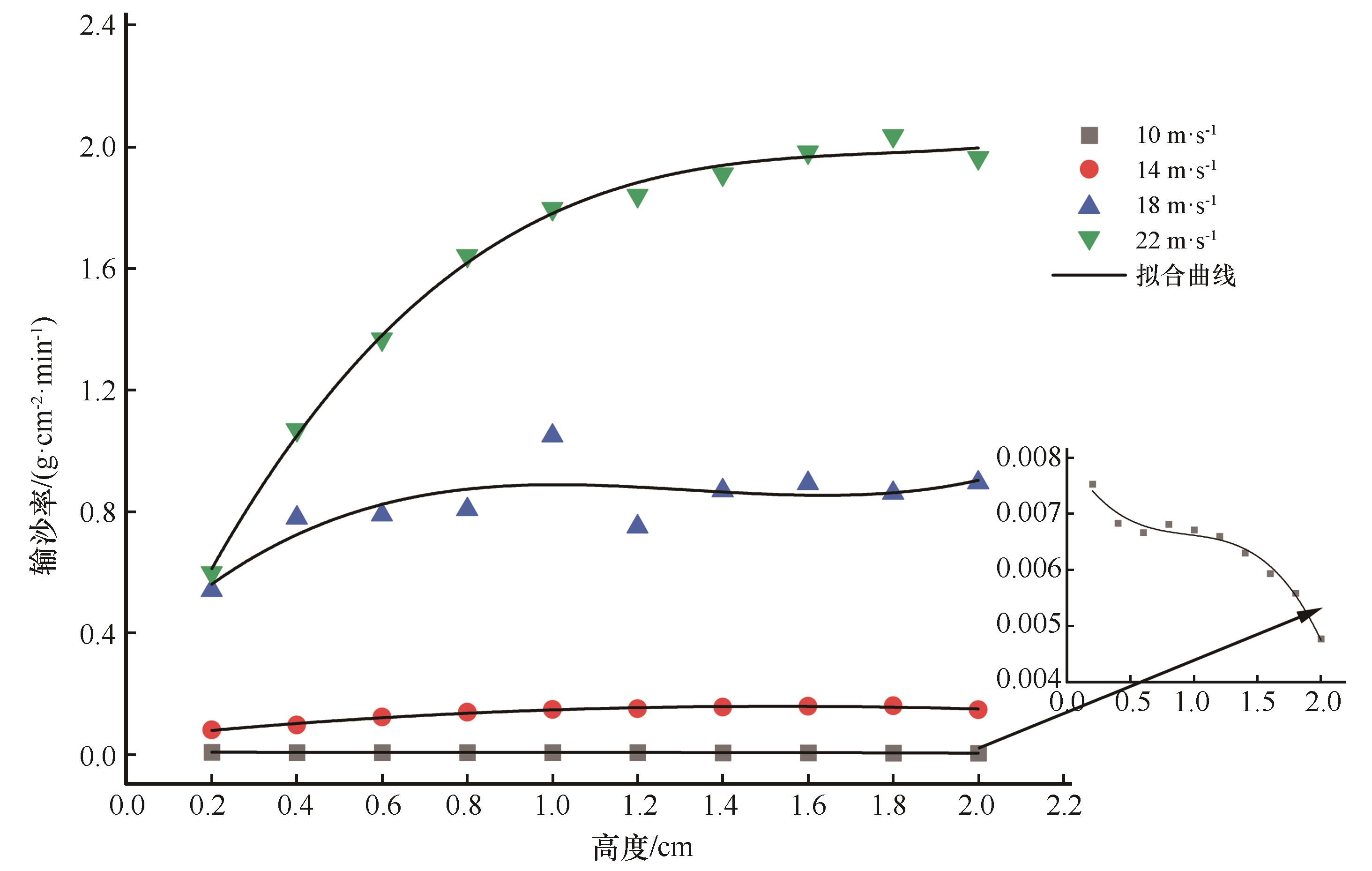
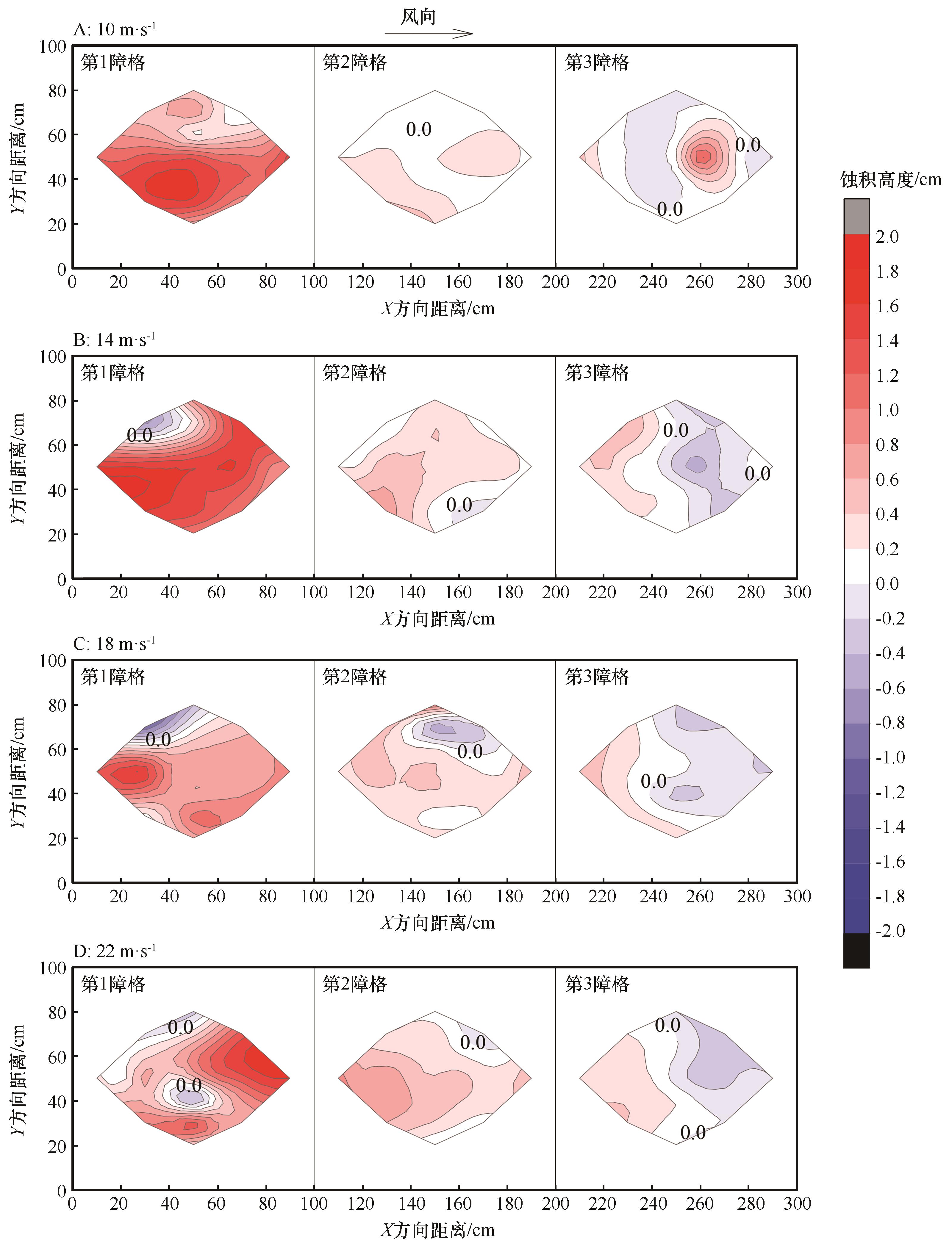
受全球极端气候影响,中国沙质海岸与南海珊瑚沙岛礁风水侵蚀强烈,需要借鉴内陆行之有效的草方格沙障进行固沙,然而传统的麦草等秸秆固沙材料难以应用于严酷的高湿、高盐雾海洋环境。本文作者就地取材,选用耐风耐盐且广泛分布于热带亚热带的棕榈树叶脉—葵骨替代麦草秸秆,为了获得更好的防风固沙效益,作者进而研制出一种适宜沙质海岸与珊瑚沙岛礁固沙的三维结构的刷状葵骨固沙障。通过拉伸试验测量材料强度,利用风洞模拟试验监测刷状葵骨固沙障流场特征、风沙流结构和蚀积状态变化。结果表明:(1)葵骨杨氏模量较大,可达78 GPa,具有较强的抗拉性,强度较高。(2)刷状葵骨固沙障内存在较大减速区,最明显的减速发生在第2个障格内至第3个障格后(x=200~500 cm),防风效能整体呈先增加再平稳波动后减少的趋势。(3)不同风速下,刷状葵骨固沙障的风沙流结构均显示出良好的固沙作用,平均固沙率可达91.1%,且沙粒主要截留在前缘第1个障格内。综上所述,刷状葵骨固沙障具有较强的耐风水蚀性能,固沙效果好,就地取材,经济环保,施工效率高,可广泛应用于沙质海岸与珊瑚沙岛礁的风沙防治。

关键词: 葵骨, 刷状沙障, 拉伸试验, 风洞模拟试验

Abstract:

Affected by global extreme climate, the sandy coasts and coral sand islands and reefs in the South China Sea suffer severe erosion from wind and water. There is an urgent need to adopt effective sand barriers inspired by the straw checkerboard barriers used inland. However, traditional sand-fixing materials such as wheat straw and other crop residues are difficult to apply in the harsh marine environment. To address this, the authors propose the use of "Kuigu" (the palm leaf veins), a locally sourced material known for its erosion resistance and abundance in tropical and subtropical zones, as an alternative to traditional wheat straw. This leads to the development of a three-dimensional brush sand barrier made from Kuigu, suitable for stabilizing sandy coasts and coral sand islands and reefs. The material's mechanical strength was assessed via tensile testing, and its sand-fixing benefit was evaluated through wind tunnel simulations measuring flow field characteristics, wind-sand flow structure, and erosion-deposition patterns. Key findings include: (1) The Young's modulus of Kuigu is large, up to 78 GPa, with strong tensile resistance and high strength. (2) The brush Kuigu barriers created a significant deceleration zone. The most pronounced reduction in wind speed occurred from the second barrier to the area behind the third barrier (x=200-500 cm downwind). Overall windbreak efficiency initially increased, fluctuated steadily, and subsequently decreased with distance. (3) Under different wind speeds, the brush Kuigu barriers demonstrated consistent effectiveness in sand-fixing through wind-sand flow structure, achieving an average sand-fixing efficiency of 91.1%, with the majority of sand intercepted within the first barrier. To sum up, the brush Kuigu barrier demonstrates strong wind and water erosion resistance, high sand-fixing efficiency, local sourcing, cost-effectiveness, environmental sustainability, and high construction efficiency, making it suitable for widespread application in sand control on sandy coasts and coral sand islands and reefs.

Key words: Kuigu, brush sand barrier, tensile test, wind tunnel simulation test

中图分类号: