img

官方微信

高级检索

中国沙漠 ›› 2026, Vol. 46 ›› Issue (5): 103-112.DOI: 10.7522/j.issn.1000-694X.2026.00060

• • 上一篇    

自然湍流下光伏阵列非均匀覆尘机制

马高生1(), 马世豪1, 柳本立2(), 陈敏如1, 杨程鹏1, 彭怀午3   

  1. 1.兰州理工大学 绿色能源与储能学院,甘肃 兰州 730050
    2.中国科学院西北生态环境资源研究院 干旱区生态安全与可持续发展全国重点实验室,甘肃 兰州 730000
    3.中国电建集团西北勘测设计研究院有限公司,陕西 西安 710100
  • 收稿日期:2026-03-31 修回日期:2026-04-29 出版日期:2026-09-20 发布日期:2026-11-02
  • 通讯作者: 柳本立
  • 作者简介:马高生(1979—),男,河南商丘人,博士,副教授,硕士生导师,主要从事风沙环境力学、风力机空气动力学与风光资源开发方面的研究。E-mail: magsh@lut.edu.cn
  • 基金资助:
    国家重点研发计划项目(2022YFB4202104);陕西省创新能力支撑计划项目(2023-CX-TD-30)

Mechanism of non-uniform dust deposition on photovoltaic arrays under natural turbulent inflow conditions

Gaosheng Ma1(), Shihao Ma1, Benli Liu2(), Minru Chen1, Chengpeng Yang1, Huaiwu Peng3   

  1. 1.School of Green Energy and Storage,Lanzhou University of Technology,Lanzhou 730050,China
    2.State Key Laboratory of Ecological Safety and Sustainable Development in Arid Lands,Northwest Institute of Eco-Environment and Resources,Chinese Academy of Sciences,Lanzhou 730000,China
    3.Power China Northwest Engineering Corporation Limited,Xian 710100,China
  • Received:2026-03-31 Revised:2026-04-29 Online:2026-09-20 Published:2026-11-02
  • Contact: Benli Liu

摘要:

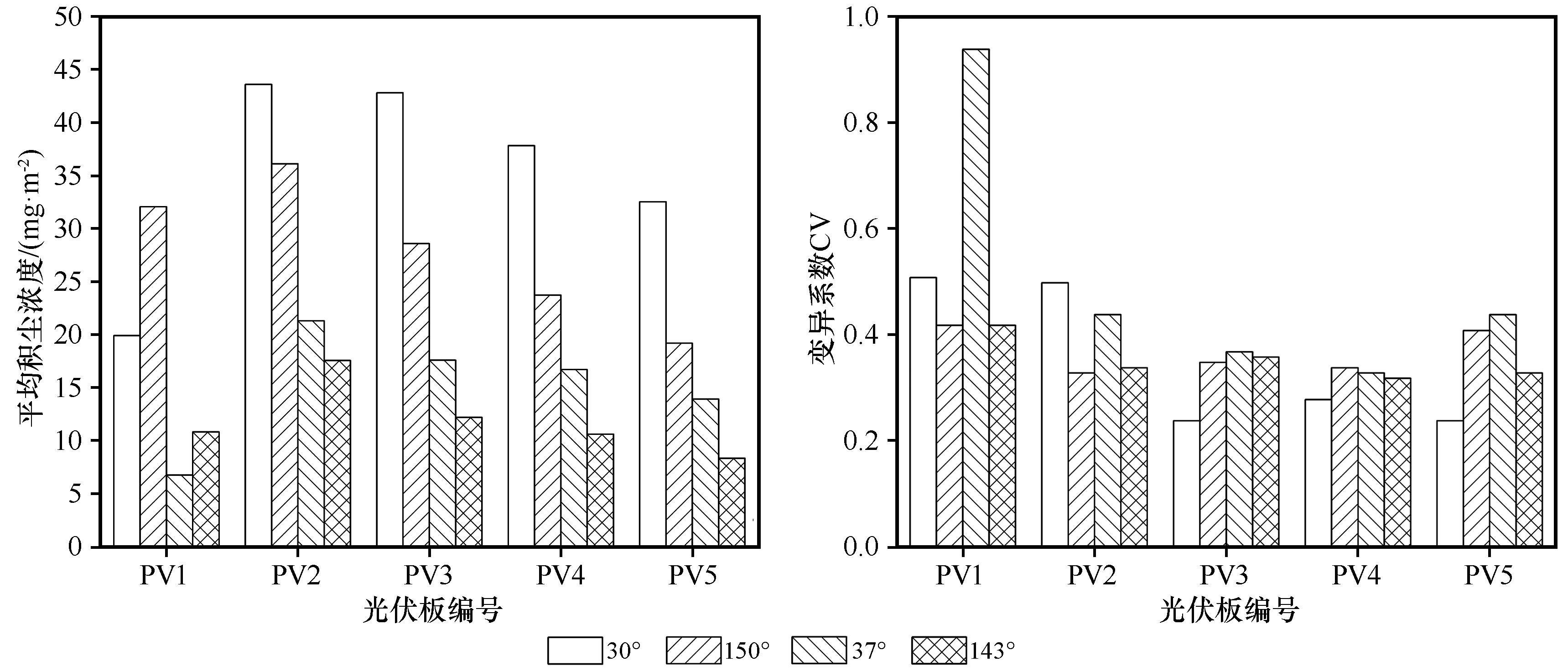
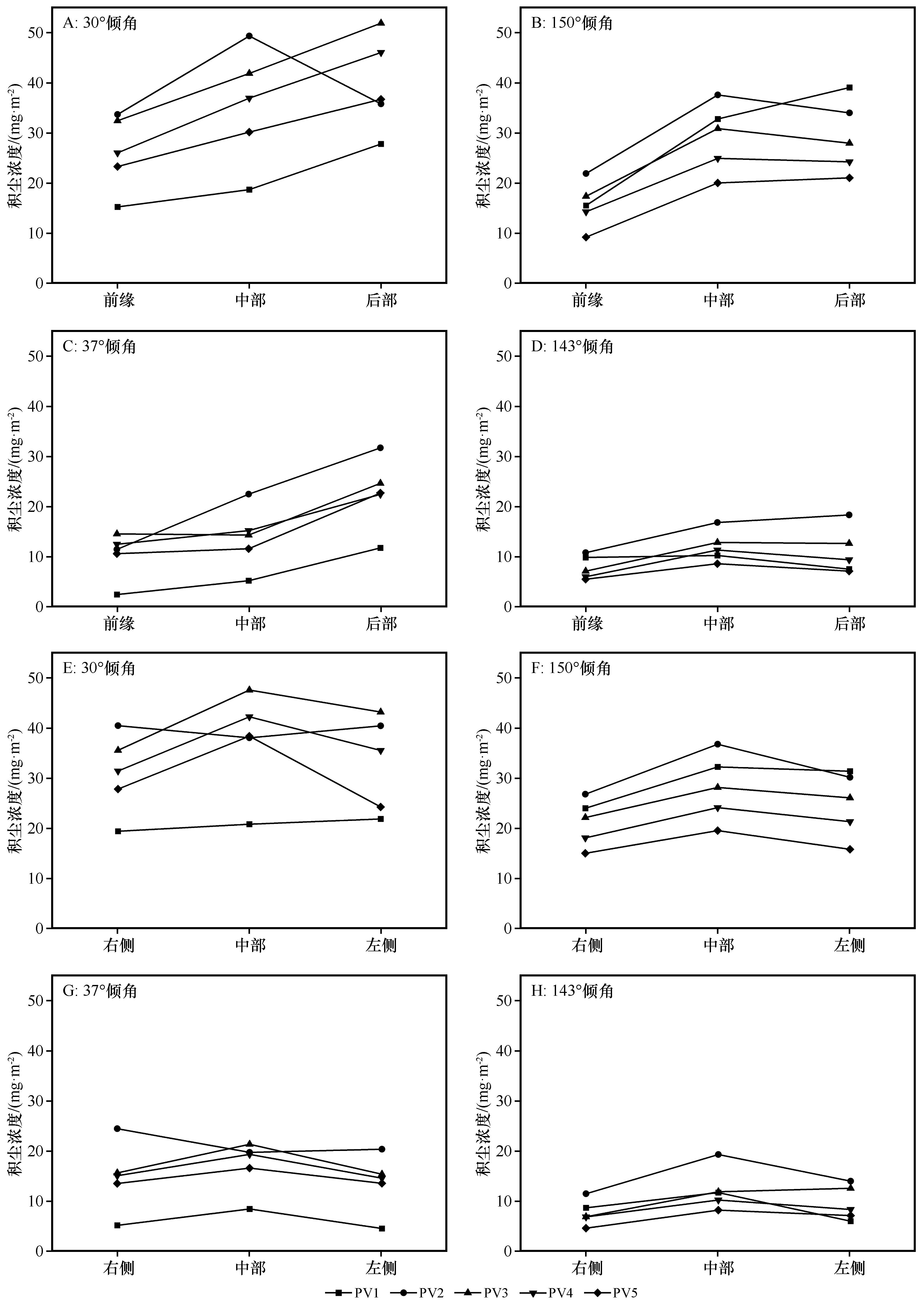
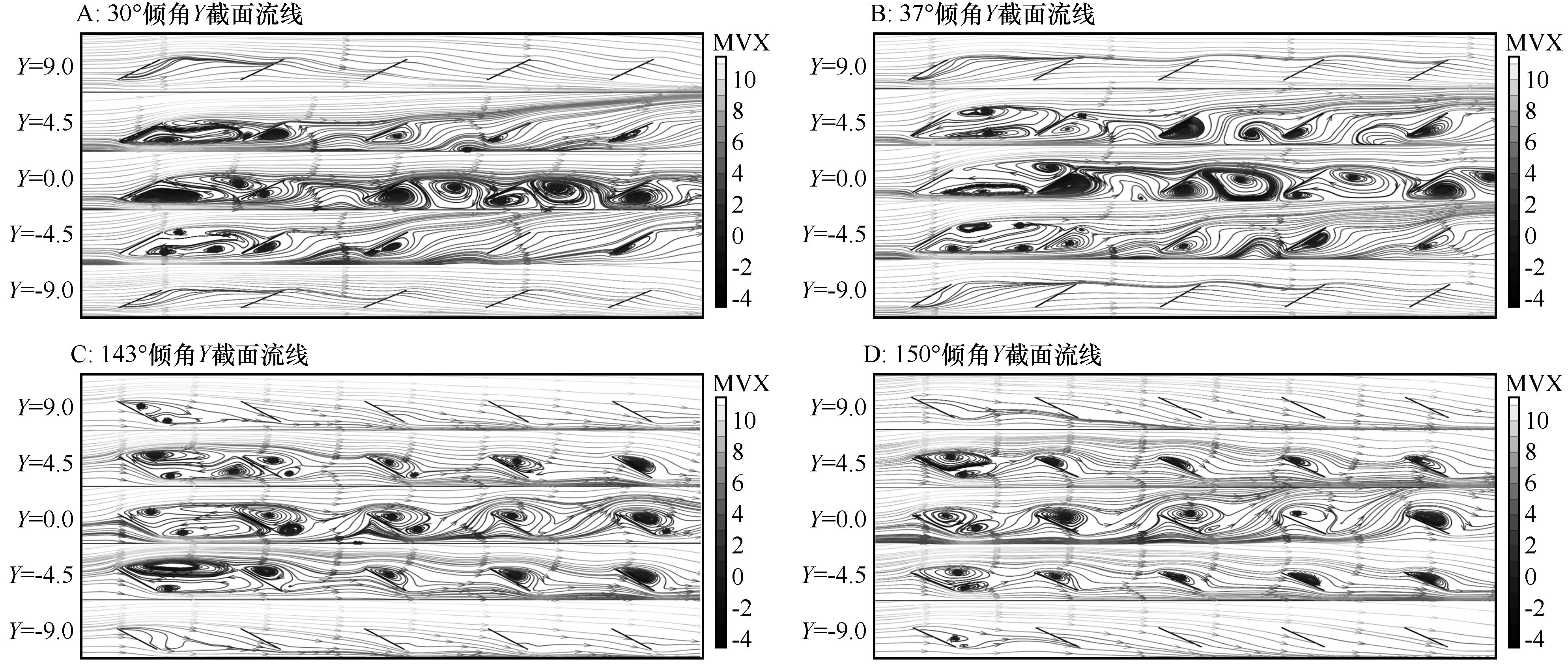
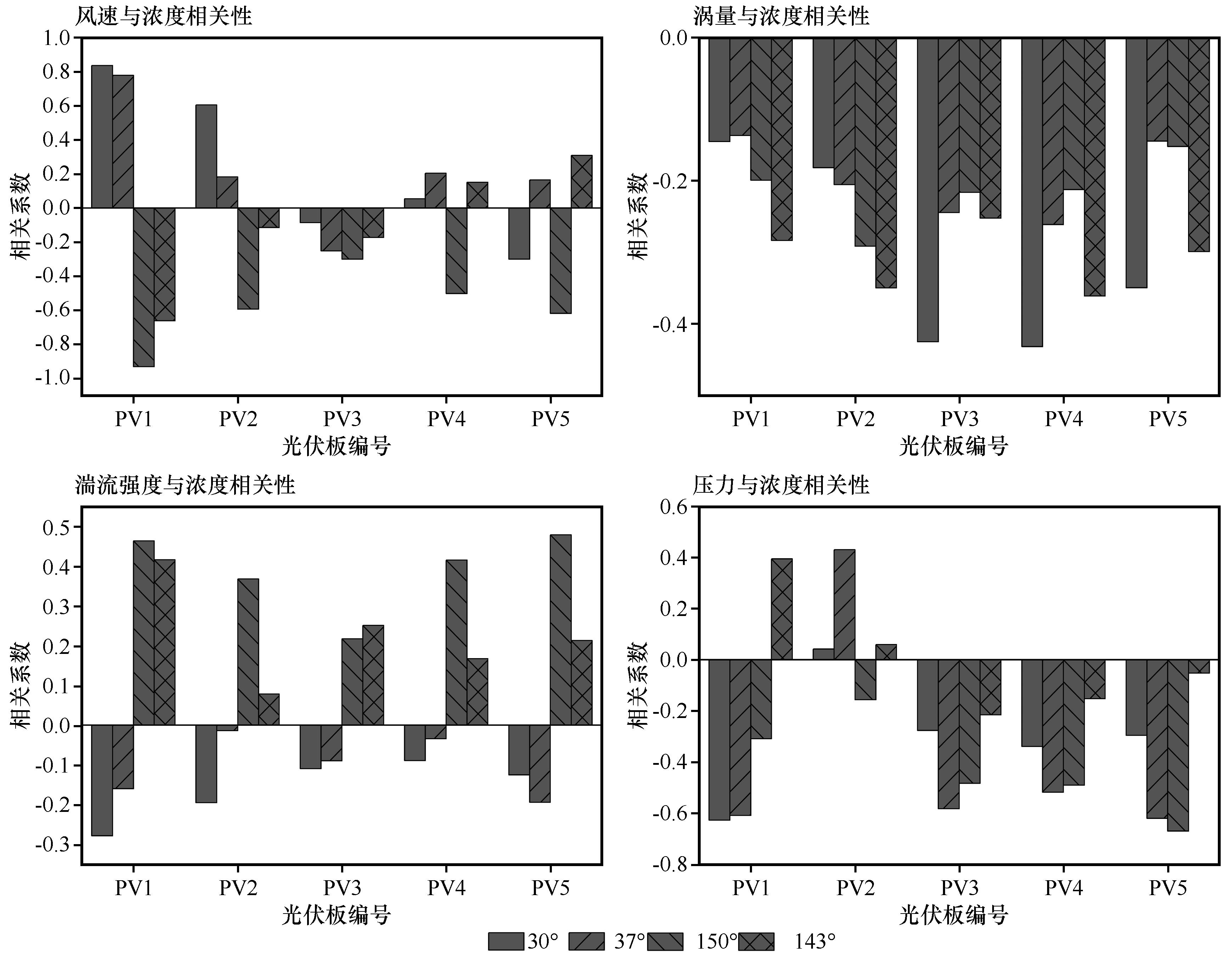
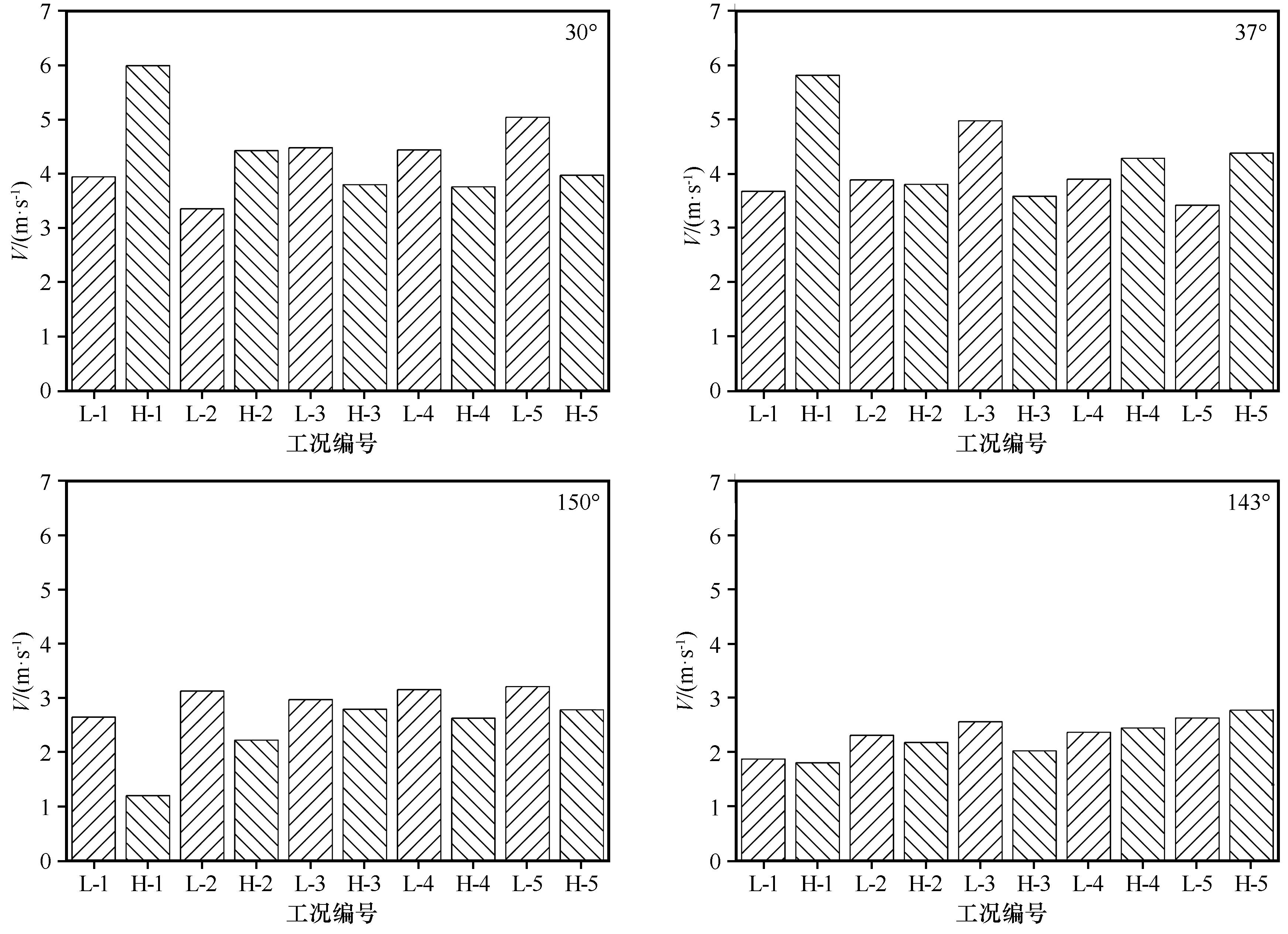
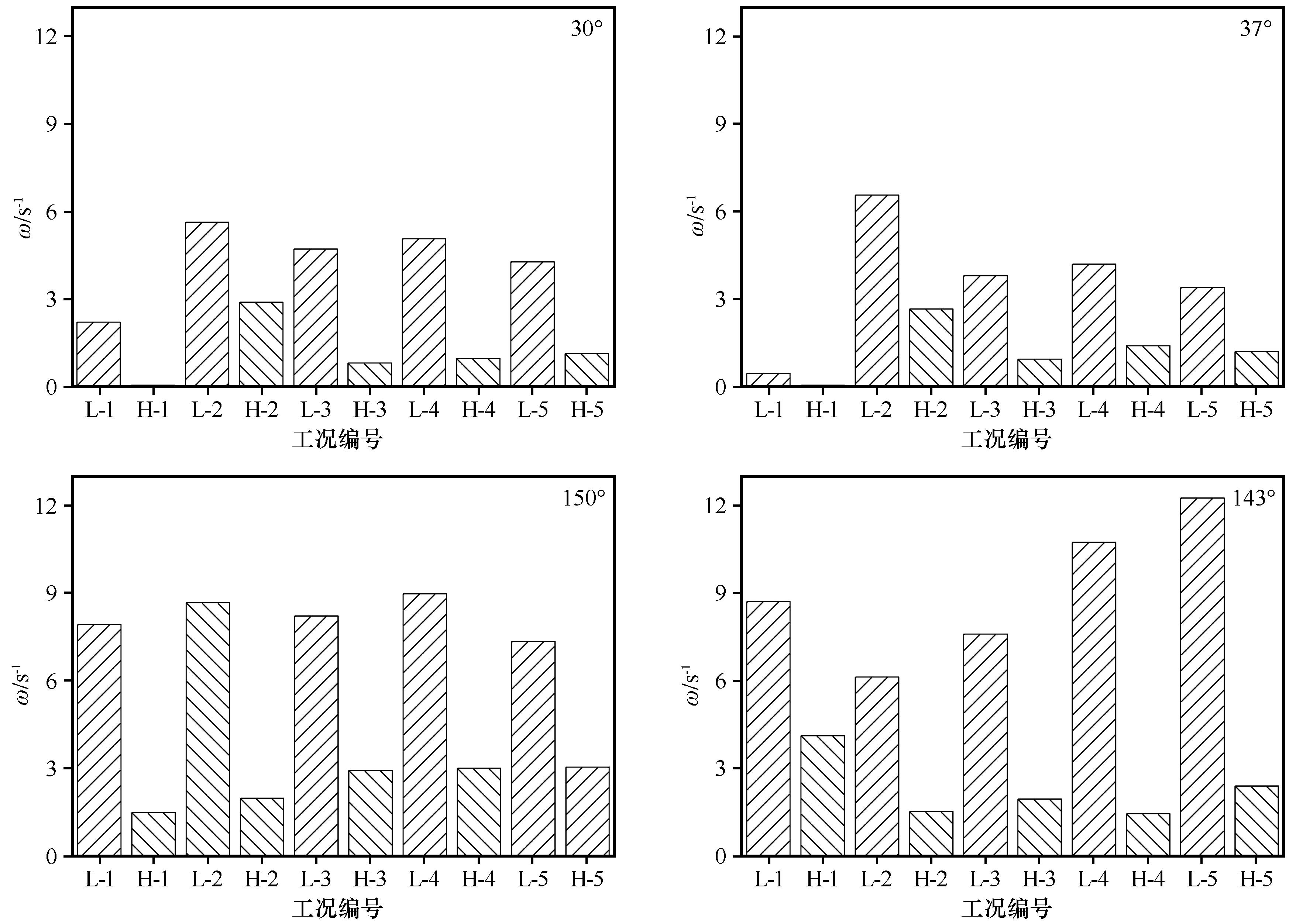
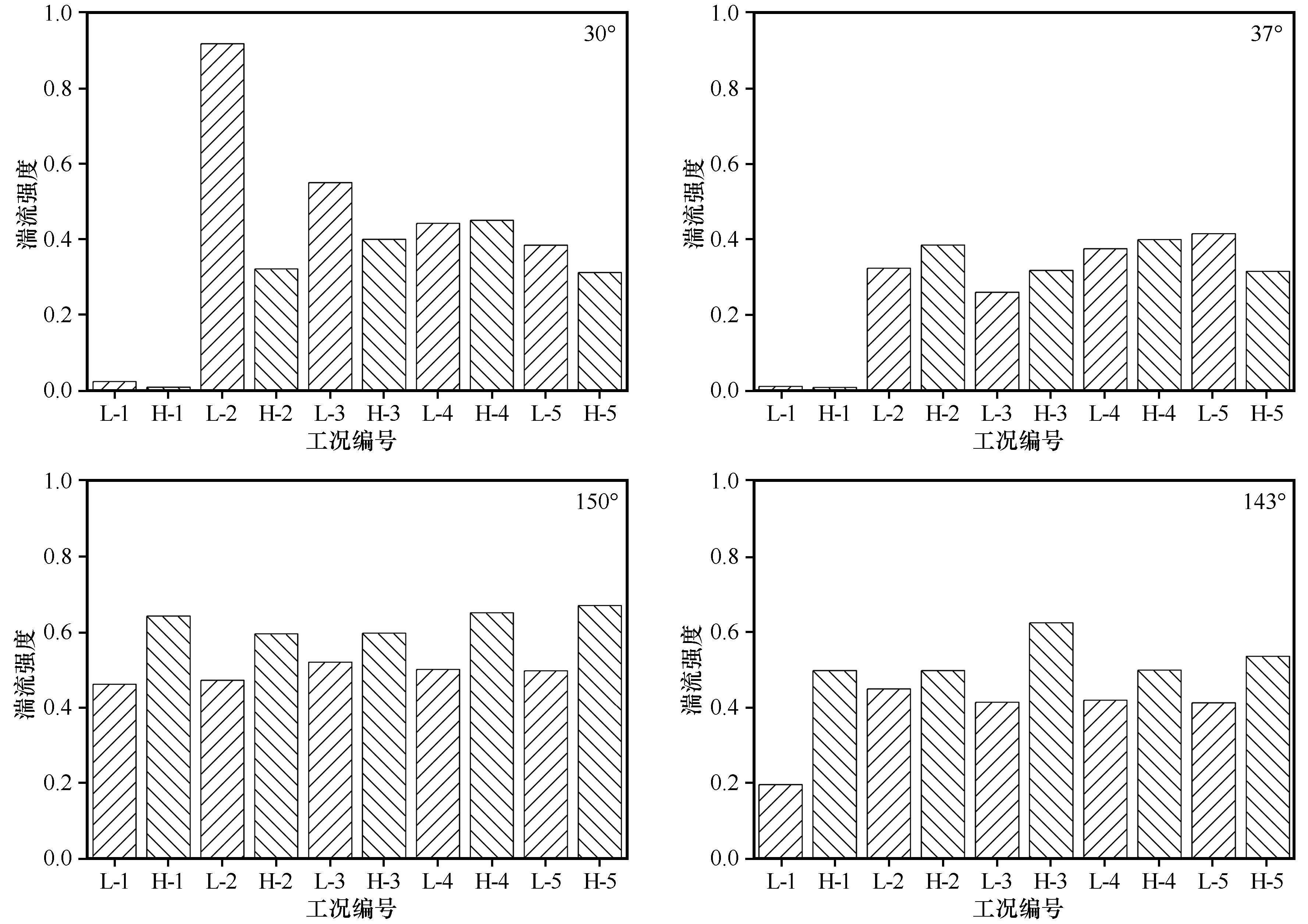
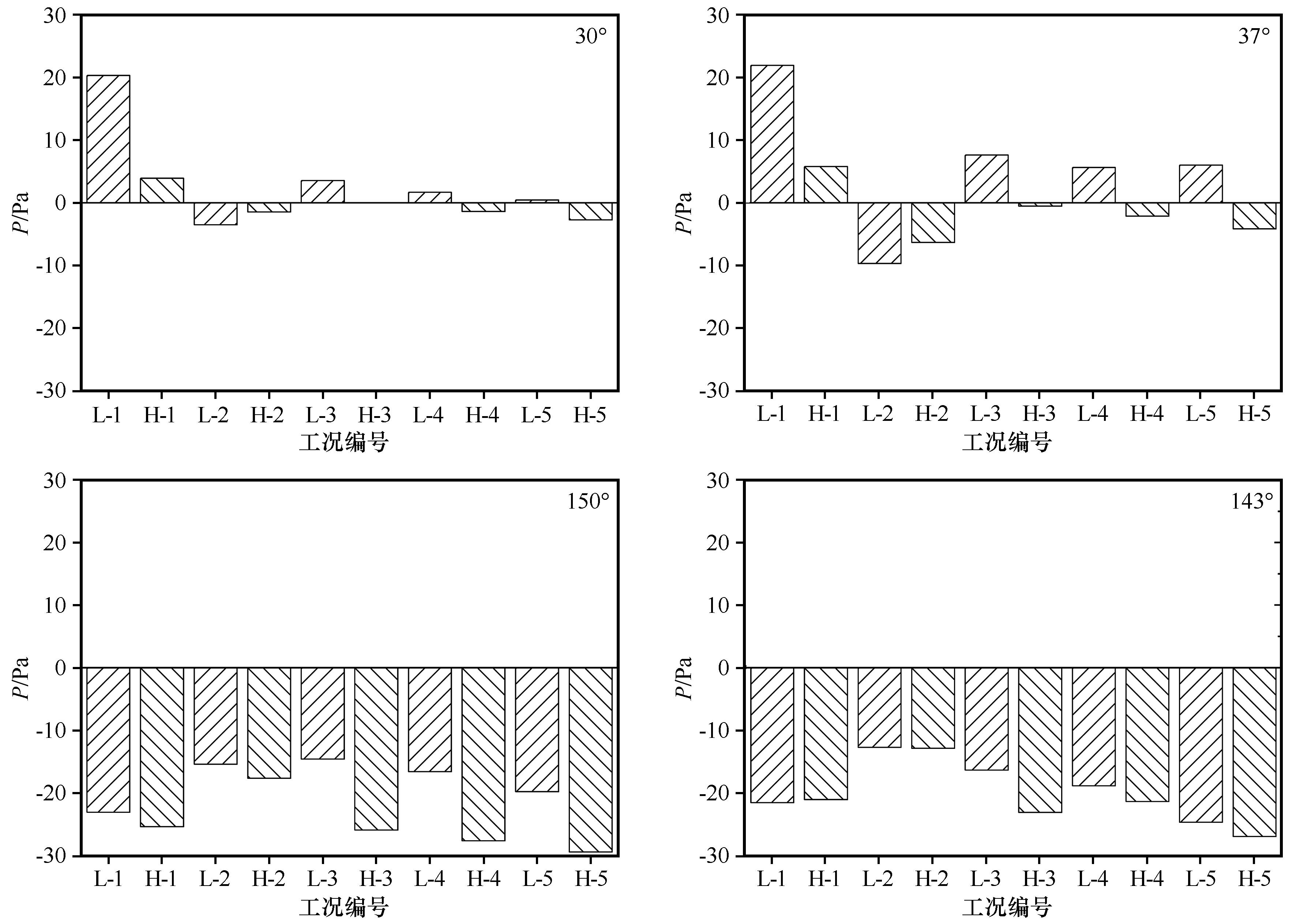
针对中国沙漠、戈壁、荒漠地区光伏阵列频发的风沙覆尘难题,采用大涡模拟(LES)耦合离散相模型(DPM),构建了基于临界捕获速度与近壁采样空间的沙尘沉积判据模型,系统分析了正负倾角工况下光伏阵列的非均匀覆尘分布特征、流场调控机制,并量化了积尘风险与清洁周期。结果表明:所有工况下阵列第二排光伏板均为积尘峰值区,其沉积模式随倾角正负发生完全反转;涡量是全工况下抑制沉积的核心参数,风速、湍流强度与积尘的相关性随来流方向发生完全反转;30°正倾角工况下第二排光伏板为最高风险区。

关键词: 光伏阵列, 沙尘沉积, 流场结构, 倾角, 大涡模拟

Abstract:

To address the frequent problem of sand and dust accumulation on photovoltaic arrays in China's desert, gobi, and arid regions, a dust deposition criterion model based on critical capture velocity and near-wall sampling space was developed by coupling Large Eddy Simulation (LES) with a Discrete Phase Model (DPM). We systematically analyzed the characteristics of non-uniform dust deposition distribution and the flow field regulation mechanisms in photovoltaic arrays under both positive and negative tilt conditions, and quantified the dust accumulation risk and cleaning cycles. The results indicate that, under all conditions, the second row of PV panels in the array is the peak dust accumulation zone, and its deposition pattern reverses completely depending on whether the tilt angle is positive or negative; vorticity is the core parameter for suppressing deposition across all conditions, while the correlation between wind speed, turbulence intensity, and dust accumulation reverses completely depending on the direction of the incoming flow; under a 30° positive tilt, the second row of PV panels is the highest-risk zone.

Key words: PV array, dust deposition, flow field structure, tilt angle, Large Eddy Simulation

中图分类号: