中国沙漠 ›› 2026, Vol. 46 ›› Issue (5): 64-77.DOI: 10.7522/j.issn.1000-694X.2026.00065
马永刚1( ), 臧家根2(), 范为3, 燕玲4
收稿日期:2026-03-25
修回日期:2026-05-02
出版日期:2026-09-20
发布日期:2026-11-02
通讯作者:
臧家根
作者简介:马永刚(1981—),男,宁夏银川人,博士,副教授,主要从事区域经济与人文地理研究。E-mail: ygma2014@gmail.com
基金资助:
Yonggang Ma1(), Jiagen Zang2(), Wei Fan3, Ling Yan4
Received:2026-03-25
Revised:2026-05-02
Online:2026-09-20
Published:2026-11-02
Contact:
Jiagen Zang
摘要:
本文立足黄河流域生态保护和高质量发展战略背景,考察城市能源转型对数字化绿色化协同发展的影响机制与空间溢出效应。基于2011—2021年76个地级市的面板数据,将新能源示范城市政策作为能源转型的准自然实验,运用耦合协调度模型测度数字化绿色化协同发展水平,并采用双重机器学习与空间杜宾模型进行因果识别与空间效应分析。结果表明:黄河流域城市能源转型显著促进数字化绿色化协同发展,该结论在经过一系列稳健性与内生性检验后依然成立。机制分析显示,城市能源转型通过推动技术创新、提升城市韧性与降低碳排放强度3条路径发挥作用。异质性分析显示,政策效应在非资源型城市、环保重点城市和非老工业基地城市表现更为强劲。空间杜宾模型显示,城市能源转型对数字化绿色化协同发展具有显著正向空间溢出效应,本地政策能够辐射带动邻近城市协同水平提升。
中图分类号:
马永刚, 臧家根, 范为, 燕玲. 黄河流域城市能源转型赋能数字化绿色化协同发展:影响机制与空间溢出[J]. 中国沙漠, 2026, 46(5): 64-77.
Yonggang Ma, Jiagen Zang, Wei Fan, Ling Yan. Urban energy transformation empowers digital-green synergistic development in the Yellow River Basin: mechanisms and spatial spillover effects[J]. Journal of Desert Research, 2026, 46(5): 64-77.
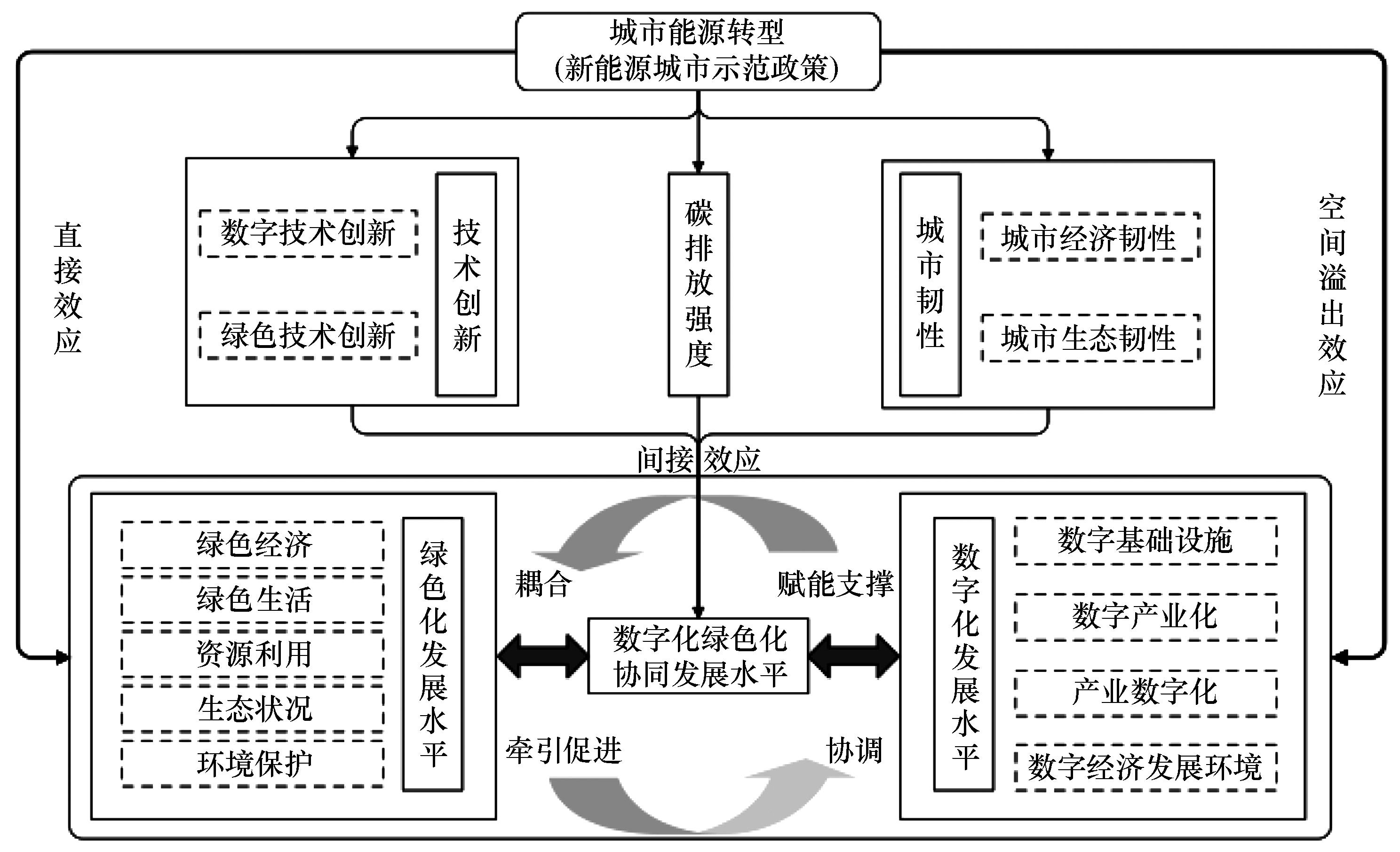
图1 机理分析框架
Fig.1 Theoretical framework
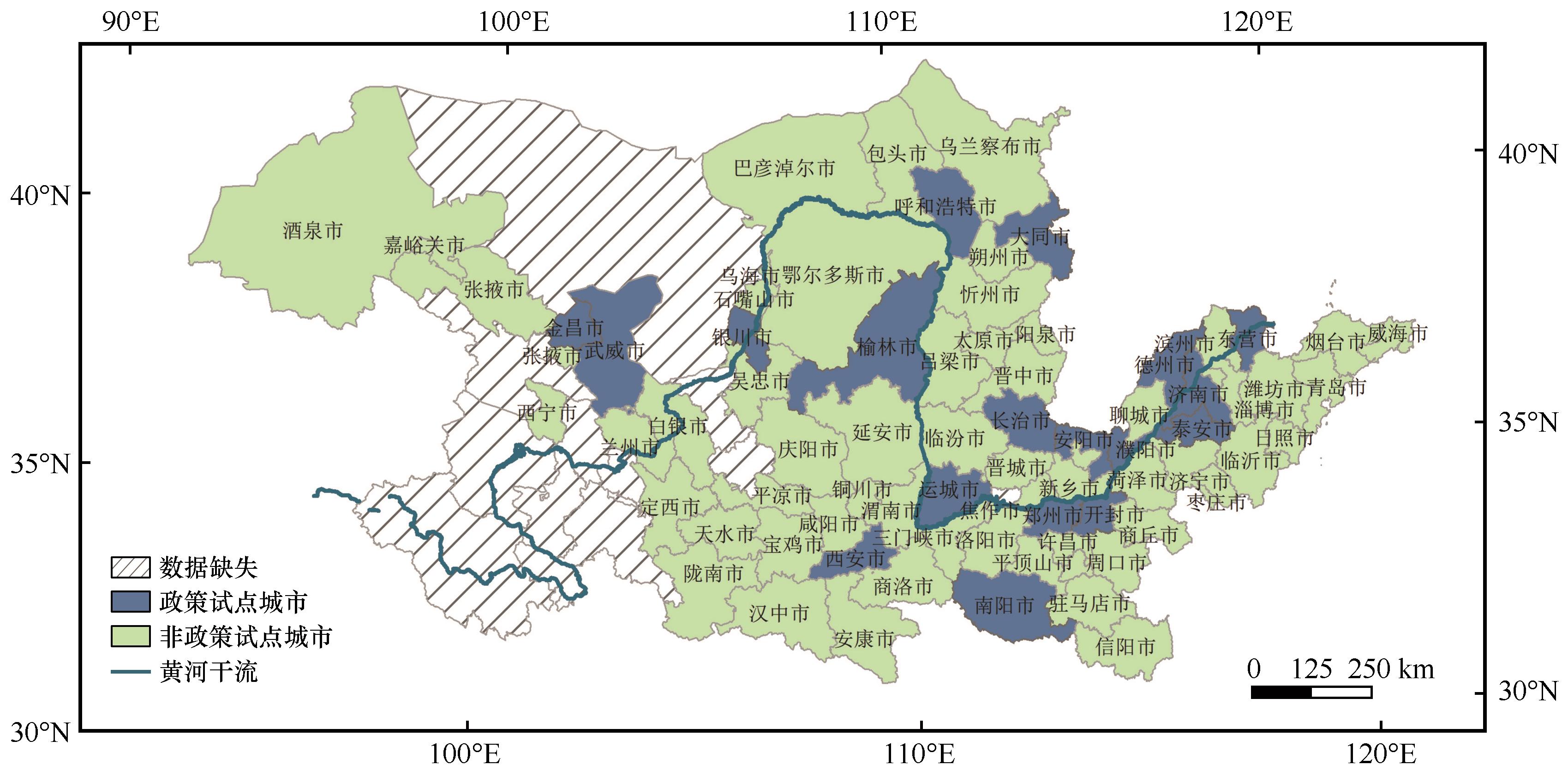
图2 研究区域概况注:基于自然资源部标准地图服务网站审图号GS(2024)0650号标准地图制作,底图边界无修改
Fig.2 General situation of the study area
| 一级指标 | 二级指标 | 三级指标 | 属性 |
|---|---|---|---|
| 数字化 | 数字基础设施 | 每百人移动电话用户数 | + |
| 每百人互联网宽带用户数 | + | ||
| 长途光缆线密度 | + | ||
| 数字产业化 | 人均电信业务总量 | + | |
| 信息传输、计算机服务和软件业从业人员占比 | + | ||
| 人均邮政业务 | + | ||
| 产业数字化 | 数字普惠金融指数 | + | |
| 人工智能、区块链、大数据、物联网、云计算等关键词词频 | + | ||
| 电子商务销售额 | + | ||
| 电子商务采购额 | + | ||
| 数字经济发展环境 | 普通高等学校数量 | + | |
| 居民平均受教育年限 | + | ||
| R&D内部经费支出 | + | ||
| 数字经济专利申请数 | + |
表1 数字化发展水平评价指标体系
Table 1 Evaluation indicator system of digital development level
| 一级指标 | 二级指标 | 三级指标 | 属性 |
|---|---|---|---|
| 数字化 | 数字基础设施 | 每百人移动电话用户数 | + |
| 每百人互联网宽带用户数 | + | ||
| 长途光缆线密度 | + | ||
| 数字产业化 | 人均电信业务总量 | + | |
| 信息传输、计算机服务和软件业从业人员占比 | + | ||
| 人均邮政业务 | + | ||
| 产业数字化 | 数字普惠金融指数 | + | |
| 人工智能、区块链、大数据、物联网、云计算等关键词词频 | + | ||
| 电子商务销售额 | + | ||
| 电子商务采购额 | + | ||
| 数字经济发展环境 | 普通高等学校数量 | + | |
| 居民平均受教育年限 | + | ||
| R&D内部经费支出 | + | ||
| 数字经济专利申请数 | + |
| 一级指标 | 二级指标 | 三级指标 | 属性 |
|---|---|---|---|
| 绿色化 | 绿色经济 | 人均地区生产总值 | + |
| 第三产业增加值占地区生产总值比重 | + | ||
| 第三产业从业人员比例 | + | ||
| 平均工资 | + | ||
| 城镇登记失业率 | - | ||
| 绿色生活 | 生活垃圾无害化处理率 | + | |
| 每万人拥有公交车辆 | + | ||
| 每万人拥有医师数 | + | ||
| 每万人医疗机构床位数 | + | ||
| 资源利用 | 单位地区生产总值能耗 | - | |
| 单位地区生产总值用水量 | - | ||
| 单位地区生产总值二氧化碳排放量 | - | ||
| 一般工业固体废物综合利用率 | + | ||
| 生态状况 | 建成区绿化覆盖率 | + | |
| 人均公园绿地面积 | + | ||
| 城市建成区绿地率 | + | ||
| 环境保护 | 污水集中处理率 | + | |
| 二氧化硫排放量 | - | ||
| 细颗粒物平均浓度 | - | ||
| 空气质量全年优良率 | + | ||
| 工业废水排放量 | - |
表2 绿色化发展水平评价指标体系
Table 2 Evaluation indicator system of green development level
| 一级指标 | 二级指标 | 三级指标 | 属性 |
|---|---|---|---|
| 绿色化 | 绿色经济 | 人均地区生产总值 | + |
| 第三产业增加值占地区生产总值比重 | + | ||
| 第三产业从业人员比例 | + | ||
| 平均工资 | + | ||
| 城镇登记失业率 | - | ||
| 绿色生活 | 生活垃圾无害化处理率 | + | |
| 每万人拥有公交车辆 | + | ||
| 每万人拥有医师数 | + | ||
| 每万人医疗机构床位数 | + | ||
| 资源利用 | 单位地区生产总值能耗 | - | |
| 单位地区生产总值用水量 | - | ||
| 单位地区生产总值二氧化碳排放量 | - | ||
| 一般工业固体废物综合利用率 | + | ||
| 生态状况 | 建成区绿化覆盖率 | + | |
| 人均公园绿地面积 | + | ||
| 城市建成区绿地率 | + | ||
| 环境保护 | 污水集中处理率 | + | |
| 二氧化硫排放量 | - | ||
| 细颗粒物平均浓度 | - | ||
| 空气质量全年优良率 | + | ||
| 工业废水排放量 | - |
| 变量类型 | 变量名称 | 符号 | 样本量 | 均值 | 标准差 | 最小值 | 最大值 |
|---|---|---|---|---|---|---|---|
| 被解释变量 | 数绿协同发展 | Score | 836 | 0.283 | 0.054 | 0.157 | 0.530 |
| 解释变量 | 城市能源转型 | Newenergy | 836 | 0.172 | 0.378 | 0.000 | 1.000 |
| 控制变量 | 经济发展水平 | Gdpcap | 836 | 10.710 | 0.654 | 8.730 | 12.560 |
| 人口规模 | Pop | 836 | 5.807 | 0.787 | 2.970 | 7.138 | |
| 城镇化率 | Urban | 836 | 0.355 | 0.173 | 0.107 | 0.967 | |
| 产业结构 | Indstr | 836 | 0.414 | 0.103 | 0.165 | 0.687 | |
| 绿色金融发展 | Grfin | 836 | 0.303 | 0.108 | 0.064 | 0.489 | |
| 政府干预程度 | Govint | 836 | 0.204 | 0.114 | 0.067 | 0.741 | |
| 人力资本水平 | Humcap | 836 | 0.020 | 0.027 | 0.000 | 0.140 | |
| 对外开放水平 | Open | 836 | 0.002 | 0.002 | 0.000 | 0.012 | |
| 科学支出水平 | Tech | 836 | 0.013 | 0.011 | 0.002 | 0.166 | |
| 信息化水平 | Mobile | 836 | 1.040 | 0.407 | 0.281 | 2.678 | |
| 机制变量 | 城市经济韧性 | Econre | 836 | 0.073 | 0.039 | 0.025 | 0.299 |
| 城市生态韧性 | Ecolre | 836 | 0.314 | 0.008 | 0.268 | 0.355 | |
| 数字技术创新 | Diteinv | 836 | 4.211 | 1.792 | 0.000 | 9.571 | |
| 绿色技术创新 | Grteinv | 836 | 3.775 | 1.816 | 0.000 | 8.214 | |
| 碳排放强度 | Caint | 836 | 2.706 | 2.019 | 0.266 | 16.450 |
表3 变量描述性统计分析结果
Table 3 Descriptive statistics of variables
| 变量类型 | 变量名称 | 符号 | 样本量 | 均值 | 标准差 | 最小值 | 最大值 |
|---|---|---|---|---|---|---|---|
| 被解释变量 | 数绿协同发展 | Score | 836 | 0.283 | 0.054 | 0.157 | 0.530 |
| 解释变量 | 城市能源转型 | Newenergy | 836 | 0.172 | 0.378 | 0.000 | 1.000 |
| 控制变量 | 经济发展水平 | Gdpcap | 836 | 10.710 | 0.654 | 8.730 | 12.560 |
| 人口规模 | Pop | 836 | 5.807 | 0.787 | 2.970 | 7.138 | |
| 城镇化率 | Urban | 836 | 0.355 | 0.173 | 0.107 | 0.967 | |
| 产业结构 | Indstr | 836 | 0.414 | 0.103 | 0.165 | 0.687 | |
| 绿色金融发展 | Grfin | 836 | 0.303 | 0.108 | 0.064 | 0.489 | |
| 政府干预程度 | Govint | 836 | 0.204 | 0.114 | 0.067 | 0.741 | |
| 人力资本水平 | Humcap | 836 | 0.020 | 0.027 | 0.000 | 0.140 | |
| 对外开放水平 | Open | 836 | 0.002 | 0.002 | 0.000 | 0.012 | |
| 科学支出水平 | Tech | 836 | 0.013 | 0.011 | 0.002 | 0.166 | |
| 信息化水平 | Mobile | 836 | 1.040 | 0.407 | 0.281 | 2.678 | |
| 机制变量 | 城市经济韧性 | Econre | 836 | 0.073 | 0.039 | 0.025 | 0.299 |
| 城市生态韧性 | Ecolre | 836 | 0.314 | 0.008 | 0.268 | 0.355 | |
| 数字技术创新 | Diteinv | 836 | 4.211 | 1.792 | 0.000 | 9.571 | |
| 绿色技术创新 | Grteinv | 836 | 3.775 | 1.816 | 0.000 | 8.214 | |
| 碳排放强度 | Caint | 836 | 2.706 | 2.019 | 0.266 | 16.450 |
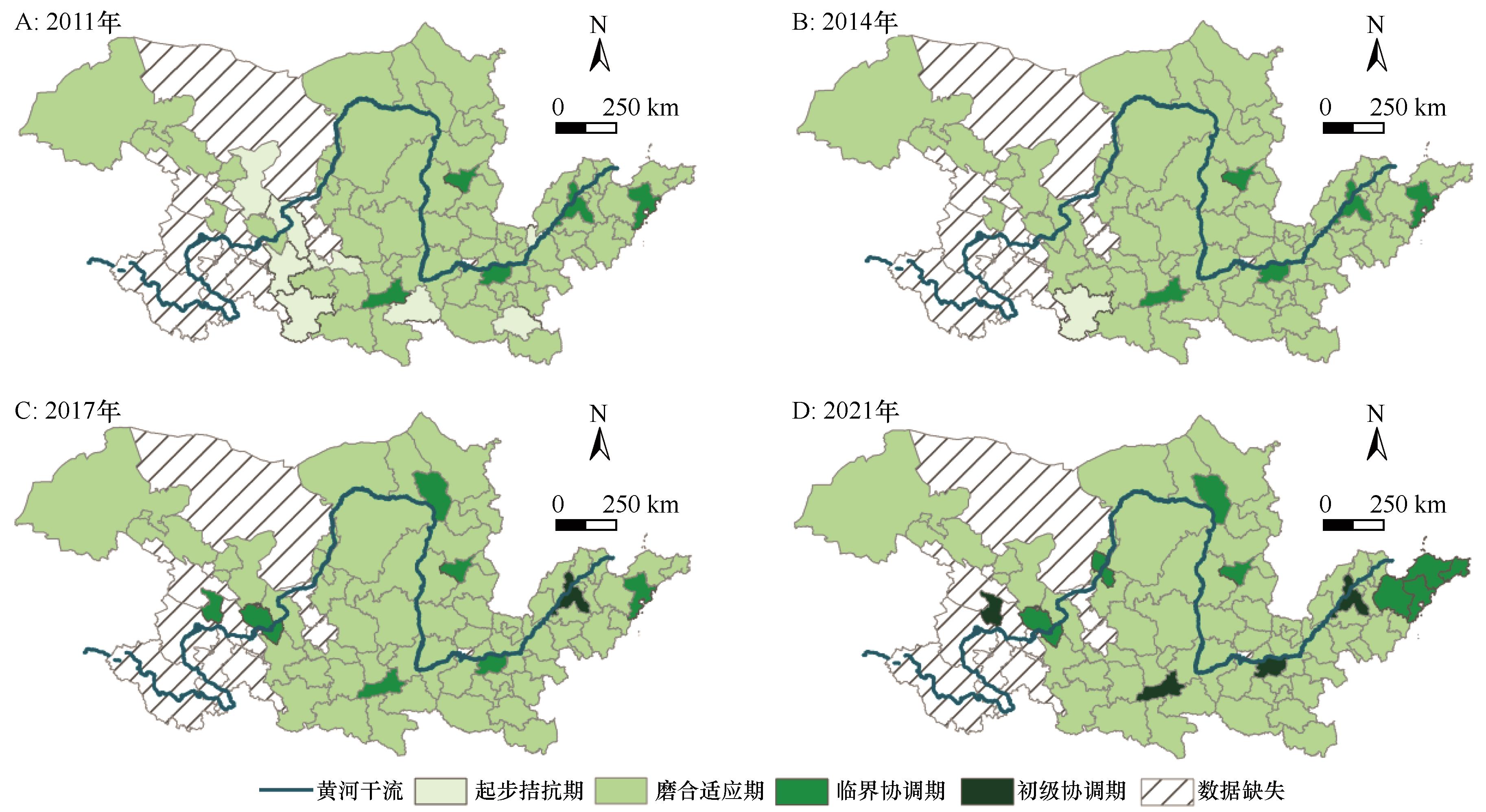
图3 黄河流域数字化与绿色化协同发展水平时空分布格局注:基于自然资源部标准地图服务网站审图号GS(2024)0650号标准地图制作,底图边界无修改
Fig.3 Spatio-temporal distribution pattern of DGSD level in the Yellow River Basin
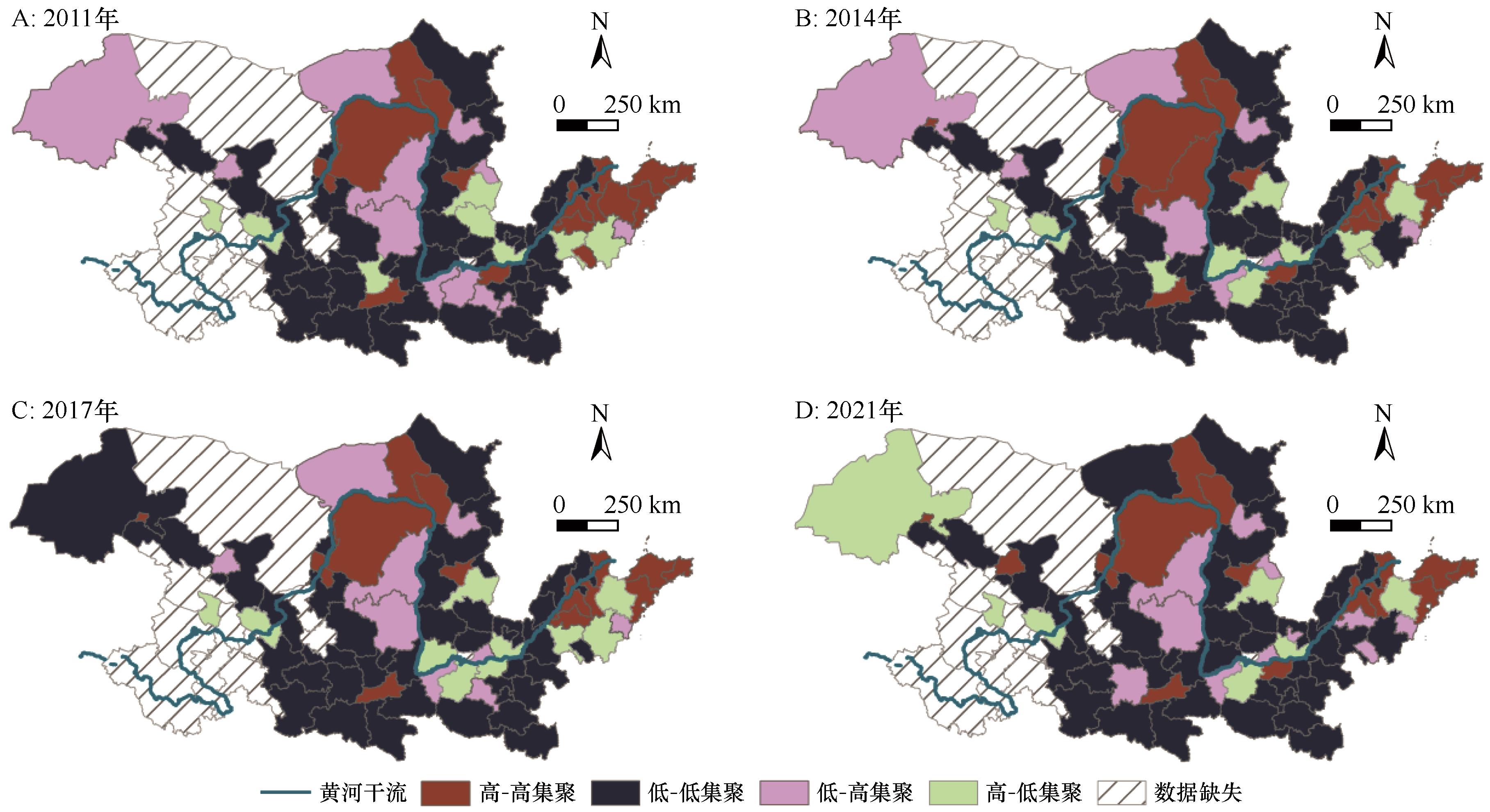
图4 黄河流域数字化与绿色化协同发展水平空间集聚分布注:基于自然资源部标准地图服务网站审图号GS(2024)0650号标准地图制作,底图边界无修改
Fig.4 Spatial clustering distribution of DGSD level in the Yellow River Basin
| 变量 | (1) | (2) |
|---|---|---|
| Score | Score | |
| Newenergy | 0.010*** | 0.009*** |
| (0.003) | (0.003) | |
| 控制变量一次项 | 是 | 是 |
| 控制变量二次项 | 否 | 是 |
| 年份固定效应 | 是 | 是 |
| 城市固定效应 | 是 | 是 |
| 观测值 | 836 | 836 |
表4 基准回归结果
Table 4 Baseline regression results
| 变量 | (1) | (2) |
|---|---|---|
| Score | Score | |
| Newenergy | 0.010*** | 0.009*** |
| (0.003) | (0.003) | |
| 控制变量一次项 | 是 | 是 |
| 控制变量二次项 | 否 | 是 |
| 年份固定效应 | 是 | 是 |
| 城市固定效应 | 是 | 是 |
| 观测值 | 836 | 836 |
| 变量 | (1) | (2) | (3) | (4) | (5) | (6) | (7) | (8) | (9) |
|---|---|---|---|---|---|---|---|---|---|
| 缩尾1% | 缩尾5% | 剔除并行政策 | 调整研究区间 | 时间省份交互 | 1∶2 | 1∶6 | 梯度提升 | 支持向量机 | |
| Score | Score | Score | Score | Score | Score | Score | Score | Score | |
| Newenergy | 0.010*** | 0.010*** | 0.010*** | 0.009*** | 0.010*** | 0.012*** | 0.009*** | 0.008*** | 0.024*** |
| (0.003) | (0.003) | (0.003) | (0.002) | (0.003) | (0.003) | (0.003) | (0.003) | (0.004) | |
| 控制变量一次项 | 是 | 是 | 是 | 是 | 是 | 是 | 是 | 是 | 是 |
| 控制变量二次项 | 是 | 是 | 是 | 是 | 是 | 是 | 是 | 是 | 是 |
| 年份固定效应 | 是 | 是 | 是 | 是 | 是 | 是 | 是 | 是 | 是 |
| 城市固定效应 | 是 | 是 | 是 | 是 | 是 | 是 | 是 | 是 | 是 |
| 观测值 | 836 | 836 | 836 | 532 | 836 | 836 | 836 | 836 | 836 |
表5 稳健性检验结果
Table 5 Robustness test results
| 变量 | (1) | (2) | (3) | (4) | (5) | (6) | (7) | (8) | (9) |
|---|---|---|---|---|---|---|---|---|---|
| 缩尾1% | 缩尾5% | 剔除并行政策 | 调整研究区间 | 时间省份交互 | 1∶2 | 1∶6 | 梯度提升 | 支持向量机 | |
| Score | Score | Score | Score | Score | Score | Score | Score | Score | |
| Newenergy | 0.010*** | 0.010*** | 0.010*** | 0.009*** | 0.010*** | 0.012*** | 0.009*** | 0.008*** | 0.024*** |
| (0.003) | (0.003) | (0.003) | (0.002) | (0.003) | (0.003) | (0.003) | (0.003) | (0.004) | |
| 控制变量一次项 | 是 | 是 | 是 | 是 | 是 | 是 | 是 | 是 | 是 |
| 控制变量二次项 | 是 | 是 | 是 | 是 | 是 | 是 | 是 | 是 | 是 |
| 年份固定效应 | 是 | 是 | 是 | 是 | 是 | 是 | 是 | 是 | 是 |
| 城市固定效应 | 是 | 是 | 是 | 是 | 是 | 是 | 是 | 是 | 是 |
| 观测值 | 836 | 836 | 836 | 532 | 836 | 836 | 836 | 836 | 836 |
| 变量 | IV:政策滞后一期 | IV:省内其他城市的政策实施比例 | IV:地形起伏度与时间趋势交互项 |
|---|---|---|---|
| (1) | (2) | (3) | |
| Score | Score | Score | |
| Newenergy | 0.251** | 0.272** | 0.301*** |
| (0.105) | (0.119) | (0.113) | |
| 控制变量一次项 | 是 | 是 | 是 |
| 控制变量二次项 | 是 | 是 | 是 |
| 年份固定效应 | 是 | 是 | 是 |
| 城市固定效应 | 是 | 是 | 是 |
| 观测值 | 760 | 836 | 836 |
表6 内生性检验结果
Table 6 Endogeneity test results
| 变量 | IV:政策滞后一期 | IV:省内其他城市的政策实施比例 | IV:地形起伏度与时间趋势交互项 |
|---|---|---|---|
| (1) | (2) | (3) | |
| Score | Score | Score | |
| Newenergy | 0.251** | 0.272** | 0.301*** |
| (0.105) | (0.119) | (0.113) | |
| 控制变量一次项 | 是 | 是 | 是 |
| 控制变量二次项 | 是 | 是 | 是 |
| 年份固定效应 | 是 | 是 | 是 |
| 城市固定效应 | 是 | 是 | 是 |
| 观测值 | 760 | 836 | 836 |
| 变量 | (1) | (2) | (3) | (4) | (5) | (6) |
|---|---|---|---|---|---|---|
| 资源型城市 | 非资源型城市 | 环保重点城市 | 非环保重点城市 | 老工业基地城市 | 非老工业基地城市 | |
| Score | Score | Score | Score | Score | Score | |
| Newenergy | 0.001 | 0.016*** | 0.012*** | 0.004 | 0.006 | 0.009*** |
| (0.003) | (0.005) | (0.003) | (0.003) | (0.004) | (0.003) | |
| 控制变量一次项 | 是 | 是 | 是 | 是 | 是 | 是 |
| 控制变量二次项 | 是 | 是 | 是 | 是 | 是 | 是 |
| 年份固定效应 | 是 | 是 | 是 | 是 | 是 | 是 |
| 城市固定效应 | 是 | 是 | 是 | 是 | 是 | 是 |
| 观测值 | 440 | 396 | 363 | 473 | 275 | 561 |
表7 异质性分析结果
Table 7 Heterogeneity analysis results
| 变量 | (1) | (2) | (3) | (4) | (5) | (6) |
|---|---|---|---|---|---|---|
| 资源型城市 | 非资源型城市 | 环保重点城市 | 非环保重点城市 | 老工业基地城市 | 非老工业基地城市 | |
| Score | Score | Score | Score | Score | Score | |
| Newenergy | 0.001 | 0.016*** | 0.012*** | 0.004 | 0.006 | 0.009*** |
| (0.003) | (0.005) | (0.003) | (0.003) | (0.004) | (0.003) | |
| 控制变量一次项 | 是 | 是 | 是 | 是 | 是 | 是 |
| 控制变量二次项 | 是 | 是 | 是 | 是 | 是 | 是 |
| 年份固定效应 | 是 | 是 | 是 | 是 | 是 | 是 |
| 城市固定效应 | 是 | 是 | 是 | 是 | 是 | 是 |
| 观测值 | 440 | 396 | 363 | 473 | 275 | 561 |
| 变量 | (1) | (2) | (3) | (4) | (5) | (6) |
|---|---|---|---|---|---|---|
| Score | Econre | Ecolre | Diteinv | Grteinv | Caint | |
| Newenergy | 0.009*** | 0.005** | 0.002*** | 0.025* | 0.031* | -0.037*** |
| (0.003) | (0.002) | (0.001) | (0.013) | (0.017) | (0.013) | |
| 控制变量一次项 | 是 | 是 | 是 | 是 | 是 | 是 |
| 控制变量二次项 | 是 | 是 | 是 | 是 | 是 | 是 |
| 年份固定效应 | 是 | 是 | 是 | 是 | 是 | 是 |
| 城市固定效应 | 是 | 是 | 是 | 是 | 是 | 是 |
| 观测值 | 836 | 836 | 836 | 836 | 836 | 836 |
表8 影响机制分析结果
Table 8 Mechanism analysis results
| 变量 | (1) | (2) | (3) | (4) | (5) | (6) |
|---|---|---|---|---|---|---|
| Score | Econre | Ecolre | Diteinv | Grteinv | Caint | |
| Newenergy | 0.009*** | 0.005** | 0.002*** | 0.025* | 0.031* | -0.037*** |
| (0.003) | (0.002) | (0.001) | (0.013) | (0.017) | (0.013) | |
| 控制变量一次项 | 是 | 是 | 是 | 是 | 是 | 是 |
| 控制变量二次项 | 是 | 是 | 是 | 是 | 是 | 是 |
| 年份固定效应 | 是 | 是 | 是 | 是 | 是 | 是 |
| 城市固定效应 | 是 | 是 | 是 | 是 | 是 | 是 |
| 观测值 | 836 | 836 | 836 | 836 | 836 | 836 |
| 变量 | 主效应 | 空间交互项 | 直接效应 | 间接效应 | 总效应 |
|---|---|---|---|---|---|
| Newenergy | 0.006*** | 0.015** | 0.006*** | 0.012** | 0.018*** |
| (0.002) | (0.006) | (0.002) | (0.005) | (0.005) | |
| 控制变量 | 是 | 是 | 是 | 是 | 是 |
| 时间固定效应 | 是 | 是 | 是 | 是 | 是 |
| 城市固定效应 | 是 | 是 | 是 | 是 | 是 |
| 观测值 | 836 | 836 | 836 | 836 | 836 |
| R² | 0.885 | 0.885 | 0.885 | 0.885 | 0.885 |
表9 空间杜宾模型效应分解结果
Table 9 Effect decomposition results of the spatial Durbin model
| 变量 | 主效应 | 空间交互项 | 直接效应 | 间接效应 | 总效应 |
|---|---|---|---|---|---|
| Newenergy | 0.006*** | 0.015** | 0.006*** | 0.012** | 0.018*** |
| (0.002) | (0.006) | (0.002) | (0.005) | (0.005) | |
| 控制变量 | 是 | 是 | 是 | 是 | 是 |
| 时间固定效应 | 是 | 是 | 是 | 是 | 是 |
| 城市固定效应 | 是 | 是 | 是 | 是 | 是 |
| 观测值 | 836 | 836 | 836 | 836 | 836 |
| R² | 0.885 | 0.885 | 0.885 | 0.885 | 0.885 |
| [1] | 中国共产党第二十届中央委员会.中国共产党第二十届中央委员会第四次全体会议公报[EB/OL].(2025-10-23)[2026-03-24].. |
| [2] | 中国发展改革报社.从各部委“十五五”规划前期研究中探重点[EB/OL].(2025-03-03)[2026-03-24].. |
| [3] | 国家能源局.国家能源局关于公布创建新能源示范城市(产业园区)名单(第一批)的通知:国能新能〔2014〕14号[EB/OL].(2014-01-08)[2026-03-24].. |
| [4] | 中共中央,国务院.黄河流域生态保护和高质量发展规划纲要[EB/OL].(2021-10-08)[2026-03-24].. |
| [5] | 工业和信息化部,国家发展和改革委员会,科学技术部,等.关于深入推进黄河流域工业绿色发展的指导意见[EB/OL].(2023-01-12)[2026-03-24].. |
| [6] | 国务院.国务院关于《黄河流域国土空间规划(2021—2035年)》的批复:国函〔2025〕37号[EB/OL].(2025-04-01)[2026-03-24].. |
| [7] | Lv Y, Li Y, Zhang Z,et al.Spatio-temporal evolution pattern and obstacle factors of water-energy-food nexus coupling coordination in the Yangtze River economic belt[J].Journal of Cleaner Production,2024,444:141229. |
| [8] | 姜浩,邓峰.新能源示范城市建设的减污降碳协同治理效应研究[J].软科学,2025,39(7):60-69. |
| [9] | 程洪飞,李豫新.能源转型与减污降碳协同治理:基于新能源示范城市政策的准自然实验[J].华东经济管理,2025,39(12):108-118. |
| [10] | 宋冰,李豫新.能源转型政策对城市减排与增效的影响[J].统计与决策,2026,42(2):159-164. |
| [11] | 许英达,胡彦迪.能源转型政策与城市经济韧性:基于示范城市的经验证据[J].统计与决策,2025,41(17):58-63. |
| [12] | 陈利,姚凤禹,苏宇童.能源变革与生态福利绩效研究:基于新能源示范城市设立的准自然实验[J].工业技术经济,2024,43(10):98-108. |
| [13] | 李豫新,程洪飞,倪超军.能源转型政策与城市绿色创新活力:基于新能源示范城市政策的准自然实验[J].中国人口·资源与环境,2023,33(1):137-149. |
| [14] | 王晨圣,杨乐.新能源示范城市建设对资源型城市能源效率的提升作用研究[J].地域研究与开发,2025,44(4):74-82. |
| [15] | 苏冰杰,卢方元,朱峰 等.中国数字经济发展水平:时空特征、动态演化及影响因素[J].运筹与管理,2022,31(9):161-168. |
| [16] | 孙才志,童艳丽,刘文新.中国绿色化发展水平测度及动态演化规律[J].经济地理,2017,37(2):15-22. |
| [17] | 刘芸,谢国梁,崔乐乐 等.数字化与绿色化融合水平的测度、区域差异与动态演进[J].统计与决策,2025,41(19):66-71. |
| [18] | 赵佳丽,张晓雅.中部地区城市数字化与绿色化协同发展演化与驱动因素分析[J].科学决策,2024(6):32-50. |
| [19] | 吴传清,宋用九,邓和顺.长江中游地区数字化绿色化协同转型发展水平测度与提升路径研究[J].长江流域资源与环境,2025,34(11):2445-2458. |
| [20] | Li J, Qamri G M, Tang M,et al.Connecting the sustainability:How renewable energy and digitalization drive green global value chains[J].Journal of Environmental Management,2025,380:124779. |
| [21] | Guo X, Xu J.Carbon reduction in the AI era:How does urban digital intelligence transformation facilitate low-carbon development?[J].Urban Climate,2025,61:102449. |
| [22] | 文艺,李何姗,张磊.数字基础设施,技术创新与能源消费低碳化[J].经济地理,2024,44(9):144-152. |
| [23] | 陈星星,田贻萱.数字化绿色化协同转型的理论阐释与未来路径[J].工业技术经济,2025,44(11):96-104. |
| [24] | Wang B, Wang J, Dong K,et al.How does artificial intelligence affect high-quality energy development?Achieving a clean energy transition society[J].Energy Policy,2024,186:114010. |
| [25] | 李旭辉,陈梦伟,王经伟.省域数字化与绿色化协同发展评价,时空特征及其影响因素[J].经济地理,2024,44(7):126-134. |
| [26] | Meerow S, Newell J P, Stults M.Defining urban resilience:a review[J].Landscape and Urban Planning,2016,147:38-49. |
| [27] | 刘建华,高新科,葛世帅 等.黄河流域数字经济发展与能源利用效率的关联特征及作用机制[J].中国沙漠,2025,45(5):338. |
| [28] | Seidu S, Chan D W M, Edwards D J,et al.A systematic review of green infrastructure and ecosystem-based technologies for climate resilience:development trends,research outlook and future projections[J].Environmental Research Letters,2025,20(8):083001. |
| [29] | Zeng L, Wen M, Li C,et al.Impact of digital greening synergistic transformation on urban economic resilience in China:evidence from quasi-natural experiments[J].Humanities and Social Sciences Communications,2025,12(1):85. |
| [30] | Zhang X.Research on the dynamic mechanism of digital economy system coupling to enhance urban ecological resilience[J].Environmental Science and Pollution Research,2024,31(15):22507-22527. |
| [31] | 王群伟,杜倩,李振冉,等.数字化和绿色化转型的碳排放双控效果:基于制造业新质生产力的机制解析[J].中国管理科学,2025,33(11):321-335. |
| [32] | 侯新烁,李圳,王鑫禹,等.省域绿色金融集聚对碳达峰压力影响的空间效应[J].经济地理,2026,46(1):161-170. |
| [33] | Wu M, Zhang Q, He Y.Inclusion or exclusion:The impact of digital finance on intra-city economic inequality and its spatial spillover effect[J].Journal of the Knowledge Economy,2026,17(1):1305-1345. |
| [34] | 赵林,宋小语,于伟 等.黄河流域生态福利绩效时空格局演变及影响因素组态分析[J].地理科学进展,2025,44(12):2600-2614. |
| [35] | Athey S, Imbens G W.Machine learning methods that economists should know about[J].Annual Review of Economics,2019,11(1):685-725. |
| [36] | Chernozhukov V, Chetverikov D, Demirer M,et al.Double/debiased machine learning for treatment and structural parameters[J].The Econometrics Journal,2018,21(1):C1-C68. |
| [37] | 张涛,李均超.网络基础设施、包容性绿色增长与地区差距:基于双重机器学习的因果推断[J].数量经济技术经济研究,2023,40(4):113-135. |
| [38] | Zhou X, Liang Y, Li L,et al.Analysis of spatial and temporal characteristics and influence mechanisms of carbon emissions in China's 1997-2017[J].Journal of Cleaner Production,2024,485:144411. |
| [39] | 柳江,李艳吉.数字新基建赋能黄河流域高质量发展:机制与空间溢出[J].中国沙漠,2025,45(5):369-379. |
| [40] | 赵涛,张智,梁上坤.数字经济、创业活跃度与高质量发展:来自中国城市的经验证据[J].管理世界,2020,36(10):65-76. |
| [41] | 陈小辉,张红伟.数字经济如何影响企业风险承担水平[J].经济管理,2021,43(5):93-108. |
| [42] | 王军,朱杰,罗茜.中国数字经济发展水平及演变测度[J].数量经济技术经济研究,2021,38(7):26-42. |
| [43] | 陈永伟,陈志远,阮丹.中国省域数字经济的发展水平与空间收敛性分析[J].统计与信息论坛,2023,38(7):18-31. |
| [44] | 国家发展和改革委员会,国家统计局,环境保护部,等.关于印发《绿色发展指标体系》《生态文明建设考核目标体系》的通知[EB/OL].(2016-12-22)[2026-03-24].. |
| [45] | 毛晓蒙,王仁曾.绿色金融与新质生产力:促进还是抑制?:基于技术创新与环境关注度的视角[J].上海财经大学学报,2024,26(5):30-45. |
| [46] | 廖小菲,申雨瑶.数字经济对中国城市低碳转型的影响机理及效应[J].经济地理,2024,44(6):31-41. |
| [47] | 张辽,姚蕾.数字技术创新对城市经济韧性的影响研究:来自中国278个地级及以上城市的经验证据[J].管理学刊,2023,36(5):38-59. |
| [48] | 楚尔鸣,孙红果,李逸飞.智慧城市建设对生态环境韧性的影响研究[J].管理学刊,2023,36(6):21-37. |
| [49] | Xiao L, Jia J, Lei Q,et al.Energy transition and urban green technological innovation:evidence from new energy demonstration city policy[J].Energy,2026,306:140641. |
| [50] | 王静,姜明月,赵林.黄河九省(区)绿色低碳与数字经济耦合协调及障碍因子分析[J].山东科学,2025,38(2):89-99. |
| [51] | Bellemare M F, Masaki T, Pepinsky T B.Lagged explanatory variables and the estimation of causal effect[J].The Journal of Politics,2017,79(3):949-963. |
| [52] | 孙博文,杨霄斐,苏鑫.国家级大数据综合试验区促进数字化绿色化协同发展研究[J].重庆大学学报(社会科学版),2025,31(1):79-99. |
| [53] | 国务院.国务院关于印发全国资源型城市可持续发展规划(2013-2020年)的通知:国发〔2013〕45号[EB/OL].(2013-11-12)[2026-03-24].. |
| [54] | 刘亦文,邓楠.环境保护税是否有效释放了四重红利效应?[J].中国人口·资源与环境,2023,33(10):35-46. |
| [55] | 李伟明,曹霞,张鑫.数绿技术融合、资产结构错配与企业高质量发展:知识组合能力的调节作用[J].管理评论,2025,37(11):54-66. |
| [56] | 赵瑞东,方创琳,刘海猛.城市韧性研究进展与展望[J].地理科学进展,2020,39(10):1717-1731. |
| [1] | 李光勤, 李龙飞, 郭细根. 黄河流域土地供给绿色化对城市经济韧性的影响:演化特征与作用机制[J]. 中国沙漠, 2026, 46(5): 113-125. |
| [2] | 王生霞, 武芯如. 黄河流域新质生产力-数字经济-生态效率三元耦合协调的时空分异与驱动机制[J]. 中国沙漠, 2026, 46(5): 182-193. |
| [3] | 张永凯, 高明敏. 黄河流域绿色全要素生产率时空演化及水资源约束的门槛效应[J]. 中国沙漠, 2026, 46(5): 221-232. |
| [4] | 李豪, 李继彦, 贾昕炽, 包令燕, 刘秀丽. 黄河流域城市群水-能-碳系统网络特征及多目标优化[J]. 中国沙漠, 2026, 46(5): 260-273. |
| [5] | 周霖, 张路, 周成, 靳轶婷, 刘华琳. 黄河流域冰雪体育旅游空间分异与影响因素[J]. 中国沙漠, 2026, 46(5): 403-414. |
| [6] | 鹿晨昱, 段庄慧, 张劲松, 赵文婧. 黄河流域甘肃段农业绿色发展效率综合测度及影响因素[J]. 中国沙漠, 2026, 46(4): 147-159. |
| [7] | 李恒吉, 蒙鹏, 巩子祯, 赵雪雁. 黄河流域城市韧性综合评价及驱动因素研究[J]. 中国沙漠, 2026, 46(4): 34-47. |
| [8] | 吴玉彬, 李月, 陈家创, 张洪瑞. 数字经济对黄河流域城市绿色创新的赋能效应[J]. 中国沙漠, 2026, 46(3): 131-142. |
| [9] | 王海荣, 王永峰, 付占辉. 黄河流域数字经济发展与生态环境的协同演化及交互响应[J]. 中国沙漠, 2026, 46(3): 143-153. |
| [10] | 胡莉莉, 马意伟, 孙晓娟. 数字经济对黄河流域农业生态产品价值实现效率的影响[J]. 中国沙漠, 2026, 46(3): 163-174. |
| [11] | 孟志华, 余瀚. 黄河流域市域新质生产力综合评价、时空格局及驱动因素[J]. 中国沙漠, 2026, 46(3): 341-352. |
| [12] | 王驰, 张正偲, 韩兰英, 张令光, 张振煜, 王思琦, 雷云竹, 张文慧, 方盼, 陈宇峰. 基于CMIP6和遥感反演的黄河流域未来干旱预估[J]. 中国沙漠, 2026, 46(3): 66-74. |
| [13] | 王伟军, 林蓉, 李花, 李娟. 黄河流域旅游资源-经济-网络关注度的时空适配格局及驱动机制[J]. 中国沙漠, 2025, 45(6): 128-140. |
| [14] | 冯学钢, 李志远, 钟伟. 黄河流域文旅融合与生态韧性协同演化及障碍因素[J]. 中国沙漠, 2025, 45(6): 141-153. |
| [15] | 赵巧艳, 周霖, 任敏敏. 黄河流域生态旅游发展时空异质性与组态提升路径[J]. 中国沙漠, 2025, 45(6): 334-348. |
| 阅读次数 | ||||||
|
全文 |
|
|||||
|
摘要 |
|
|||||
©2018中国沙漠 编辑部
地址: 兰州市天水中路8号 (730000)
电话:0931-8267545
Email:caiedit@lzb.ac.cn;desert@lzb.ac.cn


 甘公网安备 62010202000688号