
- CN 62-1070/P
- ISSN 1000-694X
- Bimonthly 1981
Journal of Desert Research ›› 2026, Vol. 46 ›› Issue (4): 238-249.DOI: 10.7522/j.issn.1000-694X.2026.00078
Previous Articles Next Articles
Hairui Ji1( ), Xiaoliang Chen3, Qixia Li2
Received:2026-03-18
Revised:2026-05-08
Online:2026-07-20
Published:2026-08-27
CLC Number:
Hairui Ji, Xiaoliang Chen, Qixia Li. Spatiotemporal variation characteristics and obstacle factors of tourism ecological security in the alpine ecologically fragile area of Qinghai Lake[J]. Journal of Desert Research, 2026, 46(4): 238-249.
Add to citation manager EndNote|Ris|BibTeX
URL: http://www.desert.ac.cn/EN/10.7522/j.issn.1000-694X.2026.00078
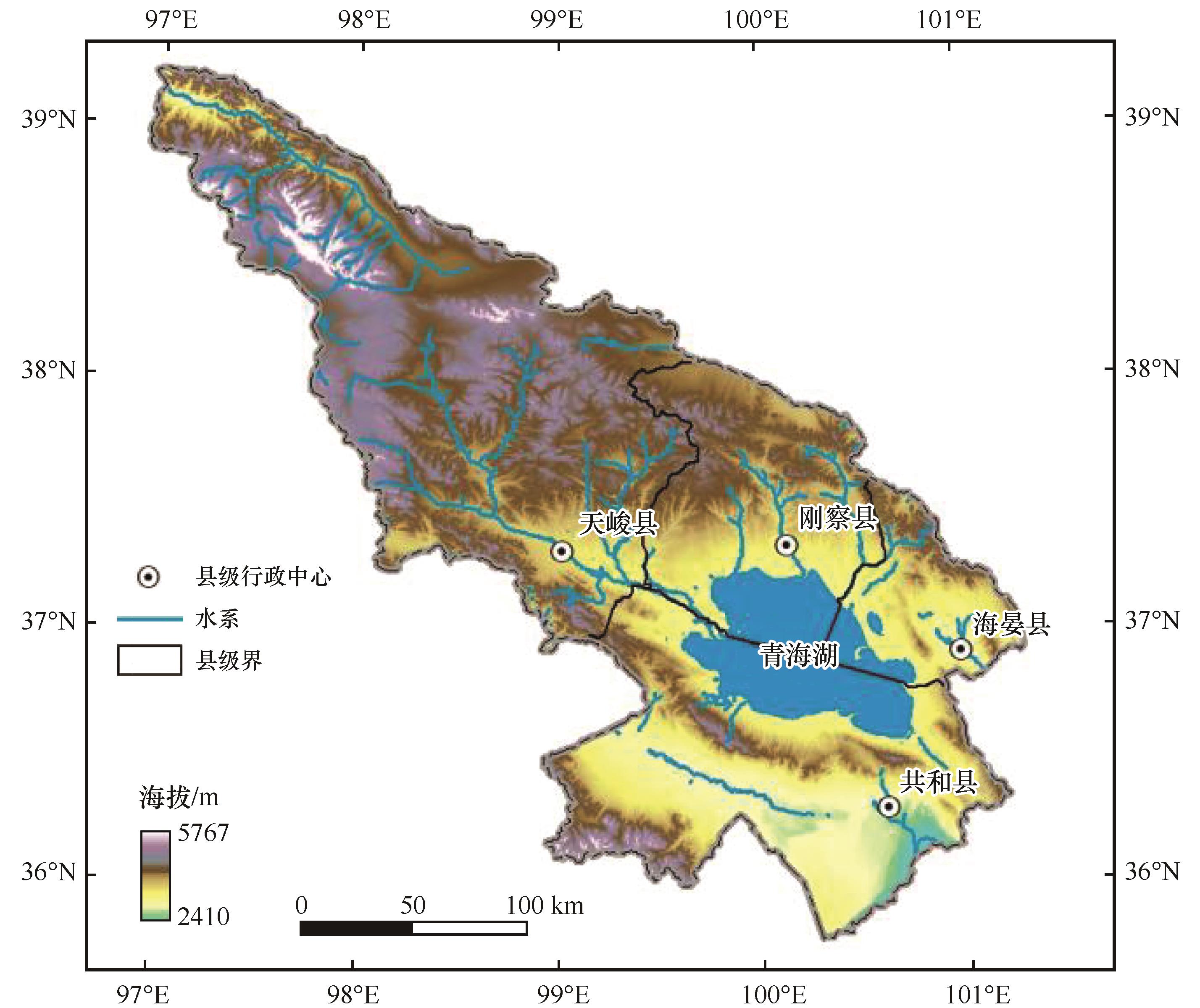
Fig.1 Overview of the study area
| 子系统层 | 因子层/单位 | 指标释义及性质 | 权重 | 文献来源 |
|---|---|---|---|---|
| 驱动力(D) | 旅游收入增长率/%(D1) | 反映旅游地国内旅游经济的增长驱动(-) | 0.0019 | [ |
| 游客增长率/%(D2) | 反映地方游客接待规模扩张程度(-) | 0.0020 | [ | |
| 地区生产总值/万元(D3) | 反映区域经济总量对旅游扩张的驱动作用(-) | 0.0062 | [ | |
| 压力(P) | 人口密度/(人·km-2)(P1) | 反映游客与居民对旅游地的生态冲击(-) | 0.0406 | [ |
| 肉类总产量/万t(P2) | 间接反映草场载畜水平和生态压力(-) | 0.0193 | [ | |
| PM10浓度(μg·m-3)(P3) | 反映大气污染对旅游地生态环境的冲击(-) | 0.0277 | [ | |
| 状态(S) | 旅游总收入/亿元(S1) | 反映区域旅游经济发展水平(+) | 0.1072 | [ |
| 游客接待人次/万人次(S2) | 反映旅游地旅游经济及市场效益的综合状况(+) | 0.3010 | [ | |
| 旅行社数量/个(S3) | 反映旅游地的游客接待能力(+) | 0.0694 | [ | |
| 净初级生产力/(g·m-2·a-1)(S4) | 反映旅游地生态系统生产功能状况(+) | 0.0276 | - | |
| 归一化水体指数(S5) | 反映区域水分状况及水生态系统稳定性(+) | 0.0079 | - | |
| 植被覆盖度/%(S6) | 反映区域植被覆盖程度及生态健康状况(+) | 0.0304 | - | |
| 影响(I) | 人均地区生产总值/元(I1) | 反映旅游地收入和国民经济增长水平(+) | 0.0468 | [ |
| 住宿餐饮业从业人数/人(I2) | 反映系统内驱动力等子系统运行变化对旅游地劳动力投入的综合影响(+) | 0.0316 | [ | |
| 城镇居民可支配收入增长率/%(I3) | 反映区域居民生活水平改善程度(+) | 0.0678 | [ | |
| 响应(R) | 旅游总收入占地区生产总值比重/%(R1) | 反映旅游产业在区域经济结构中的地位(+) | 0.1636 | [ |
| 第三产业增加值占地区生产总值比重/%(R2) | 反映区域产业结构的合理性(+) | 0.0492 | [ |
Table 1 Evaluation index system for tourism ecological security in the Qinghai Lake region
| 子系统层 | 因子层/单位 | 指标释义及性质 | 权重 | 文献来源 |
|---|---|---|---|---|
| 驱动力(D) | 旅游收入增长率/%(D1) | 反映旅游地国内旅游经济的增长驱动(-) | 0.0019 | [ |
| 游客增长率/%(D2) | 反映地方游客接待规模扩张程度(-) | 0.0020 | [ | |
| 地区生产总值/万元(D3) | 反映区域经济总量对旅游扩张的驱动作用(-) | 0.0062 | [ | |
| 压力(P) | 人口密度/(人·km-2)(P1) | 反映游客与居民对旅游地的生态冲击(-) | 0.0406 | [ |
| 肉类总产量/万t(P2) | 间接反映草场载畜水平和生态压力(-) | 0.0193 | [ | |
| PM10浓度(μg·m-3)(P3) | 反映大气污染对旅游地生态环境的冲击(-) | 0.0277 | [ | |
| 状态(S) | 旅游总收入/亿元(S1) | 反映区域旅游经济发展水平(+) | 0.1072 | [ |
| 游客接待人次/万人次(S2) | 反映旅游地旅游经济及市场效益的综合状况(+) | 0.3010 | [ | |
| 旅行社数量/个(S3) | 反映旅游地的游客接待能力(+) | 0.0694 | [ | |
| 净初级生产力/(g·m-2·a-1)(S4) | 反映旅游地生态系统生产功能状况(+) | 0.0276 | - | |
| 归一化水体指数(S5) | 反映区域水分状况及水生态系统稳定性(+) | 0.0079 | - | |
| 植被覆盖度/%(S6) | 反映区域植被覆盖程度及生态健康状况(+) | 0.0304 | - | |
| 影响(I) | 人均地区生产总值/元(I1) | 反映旅游地收入和国民经济增长水平(+) | 0.0468 | [ |
| 住宿餐饮业从业人数/人(I2) | 反映系统内驱动力等子系统运行变化对旅游地劳动力投入的综合影响(+) | 0.0316 | [ | |
| 城镇居民可支配收入增长率/%(I3) | 反映区域居民生活水平改善程度(+) | 0.0678 | [ | |
| 响应(R) | 旅游总收入占地区生产总值比重/%(R1) | 反映旅游产业在区域经济结构中的地位(+) | 0.1636 | [ |
| 第三产业增加值占地区生产总值比重/%(R2) | 反映区域产业结构的合理性(+) | 0.0492 | [ |
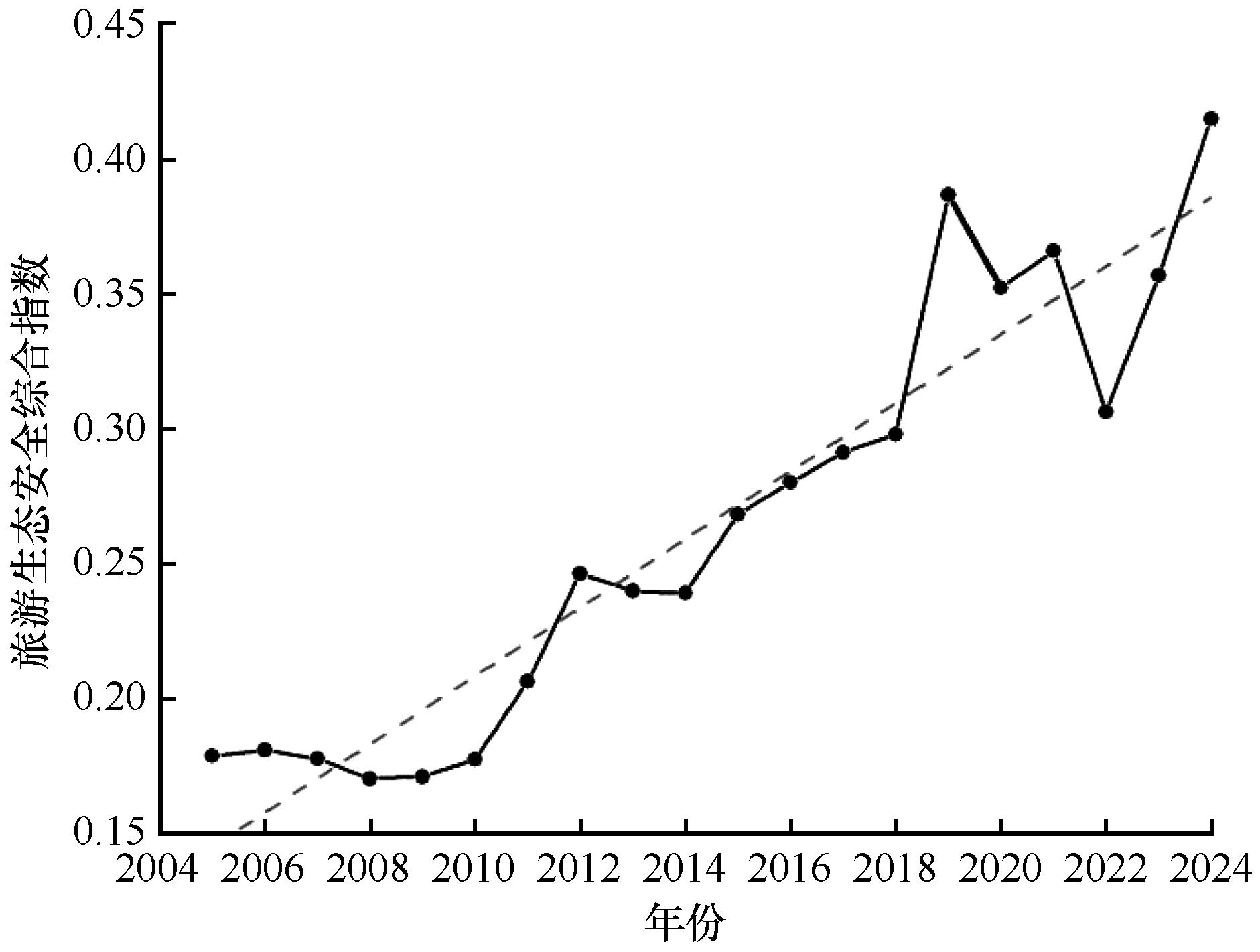
Fig.2 Trend of the tourism ecological security index in the Qinghai Lake region during 2005-2024
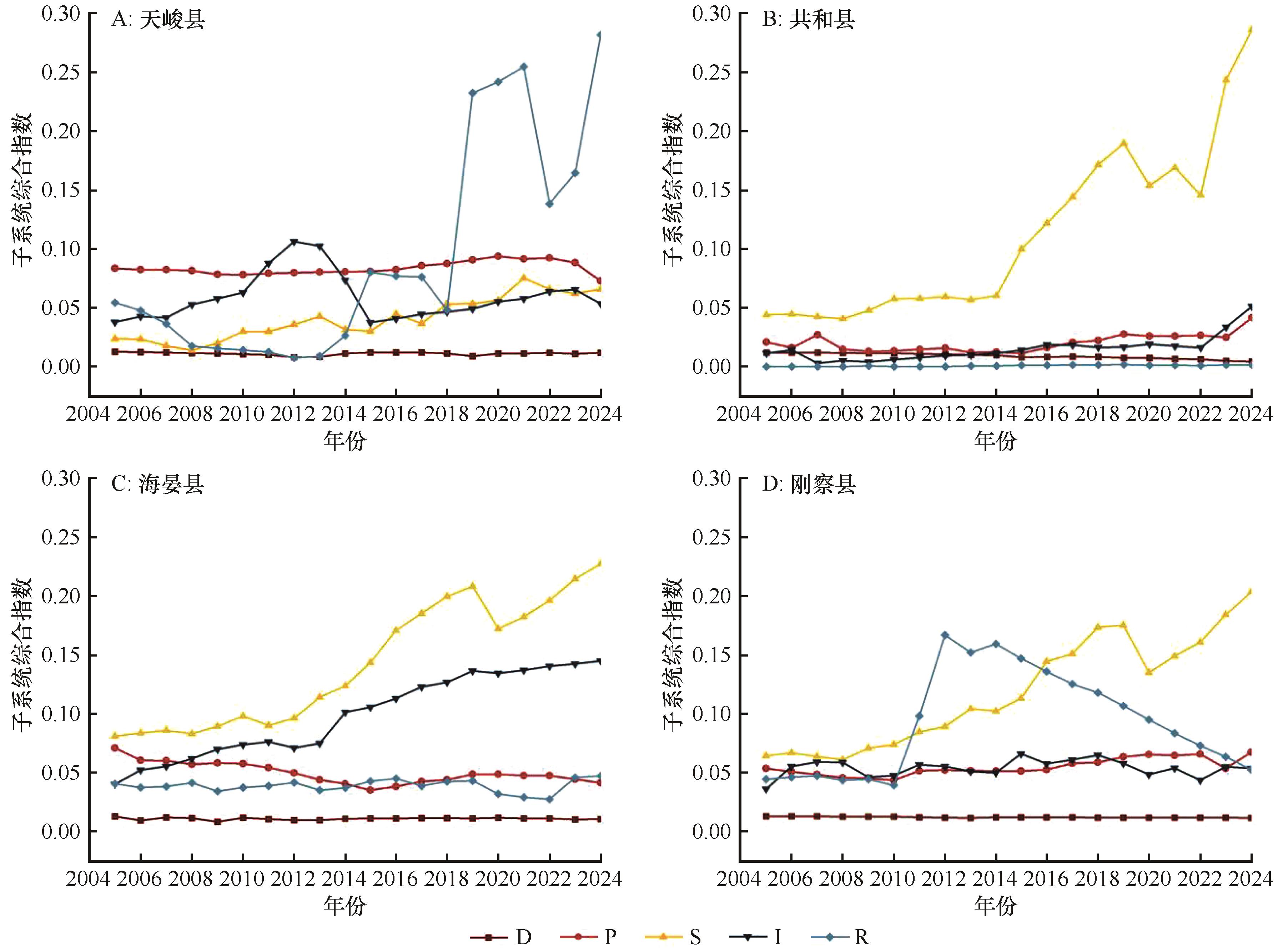
Fig.3 Trends of the composite indices of tourism ecological security subsystems in counties of the Qinghai Lake region during 2005-2024
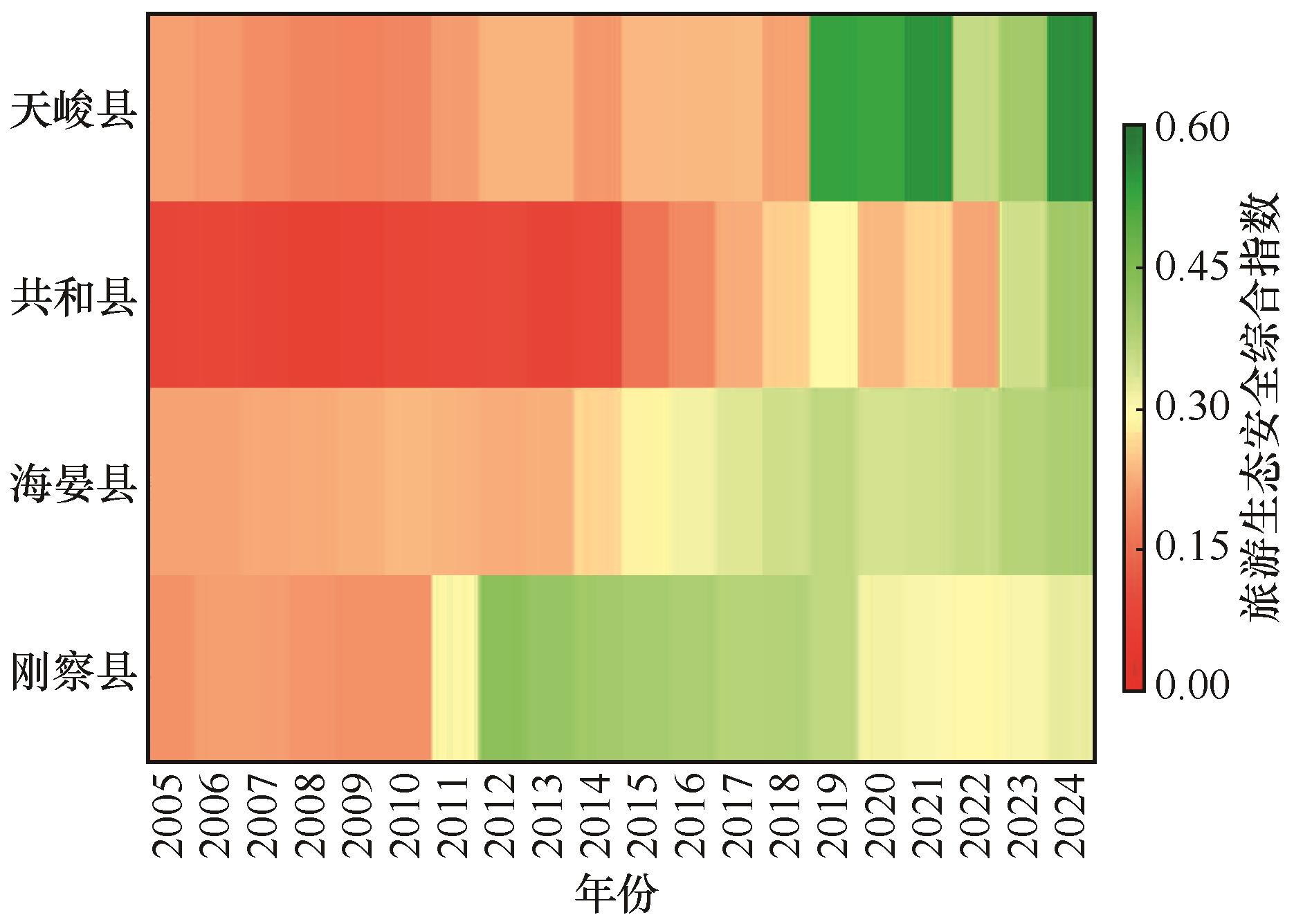
Fig.4 Variation in tourism ecological security levels among counties in the Qinghai Lake region during 2005-2024
| 阶段 | 时间 | 相关政策文件 |
|---|---|---|
| 低位波动 | 2005—2011年 | 《关于做好青海湖流域生态环境保护和综合治理工作有关事项的通知》(〔2005〕2426号) 《青海湖流域生态环境保护与综合治理规划》(〔2007〕3729号批复) 《青海湖流域生态环境保护条例》(2003年通过,2022年修正) |
| 稳步提升 | 2012—2018年 | 《青海湖流域生态环境保护与综合治理工程》正式启动实施(2008年启动,实施期内) 《青海湖景区管理条例》(2014年通过,2015年施行) |
| 阶段跃升 | 2019—2024年 | 《关于建立以国家公园为主体的自然保护地体系的指导意见》 《青海湖国家公园总体规划(2023—2035年)》〔2024〕43号) |
Table 2 Evolution stages and key policy nodes of tourism ecological security in the Qinghai Lake region
| 阶段 | 时间 | 相关政策文件 |
|---|---|---|
| 低位波动 | 2005—2011年 | 《关于做好青海湖流域生态环境保护和综合治理工作有关事项的通知》(〔2005〕2426号) 《青海湖流域生态环境保护与综合治理规划》(〔2007〕3729号批复) 《青海湖流域生态环境保护条例》(2003年通过,2022年修正) |
| 稳步提升 | 2012—2018年 | 《青海湖流域生态环境保护与综合治理工程》正式启动实施(2008年启动,实施期内) 《青海湖景区管理条例》(2014年通过,2015年施行) |
| 阶段跃升 | 2019—2024年 | 《关于建立以国家公园为主体的自然保护地体系的指导意见》 《青海湖国家公园总体规划(2023—2035年)》〔2024〕43号) |
| 年份 | 项目 | 指标排序 | ||||||
|---|---|---|---|---|---|---|---|---|
| 1 | 2 | 3 | 4 | 5 | 6 | 7 | ||
| 2005 | 障碍因子 | R1 | S1 | S3 | S2 | I3 | I1 | R2 |
| 障碍度/% | 25.85 | 17.52 | 10.94 | 8.98 | 8.79 | 7.59 | 4.58 | |
| 2010 | 障碍因子 | R1 | S1 | S3 | S2 | I3 | I1 | R2 |
| 障碍度/% | 26.90 | 17.62 | 10.61 | 8.66 | 8.17 | 6.90 | 5.33 | |
| 2015 | 障碍因子 | R1 | S1 | S3 | I3 | S2 | I1 | R2 |
| 障碍度/% | 24.76 | 17.49 | 9.72 | 8.78 | 8.48 | 7.30 | 4.50 | |
| 2020 | 障碍因子 | R1 | S1 | S2 | I3 | S3 | I1 | R2 |
| 障碍度/% | 23.67 | 17.78 | 10.12 | 9.89 | 7.50 | 7.00 | 4.63 | |
| 2024 | 障碍因子 | R1 | S1 | I3 | S2 | I1 | S3 | P1 |
| 障碍度/% | 27.59 | 14.18 | 10.93 | 8.47 | 7.98 | 6.99 | 5.71 | |
Table 3 Ranking of obstacle factors affecting tourism ecological security at the county level in the Qinghai Lake region
| 年份 | 项目 | 指标排序 | ||||||
|---|---|---|---|---|---|---|---|---|
| 1 | 2 | 3 | 4 | 5 | 6 | 7 | ||
| 2005 | 障碍因子 | R1 | S1 | S3 | S2 | I3 | I1 | R2 |
| 障碍度/% | 25.85 | 17.52 | 10.94 | 8.98 | 8.79 | 7.59 | 4.58 | |
| 2010 | 障碍因子 | R1 | S1 | S3 | S2 | I3 | I1 | R2 |
| 障碍度/% | 26.90 | 17.62 | 10.61 | 8.66 | 8.17 | 6.90 | 5.33 | |
| 2015 | 障碍因子 | R1 | S1 | S3 | I3 | S2 | I1 | R2 |
| 障碍度/% | 24.76 | 17.49 | 9.72 | 8.78 | 8.48 | 7.30 | 4.50 | |
| 2020 | 障碍因子 | R1 | S1 | S2 | I3 | S3 | I1 | R2 |
| 障碍度/% | 23.67 | 17.78 | 10.12 | 9.89 | 7.50 | 7.00 | 4.63 | |
| 2024 | 障碍因子 | R1 | S1 | I3 | S2 | I1 | S3 | P1 |
| 障碍度/% | 27.59 | 14.18 | 10.93 | 8.47 | 7.98 | 6.99 | 5.71 | |
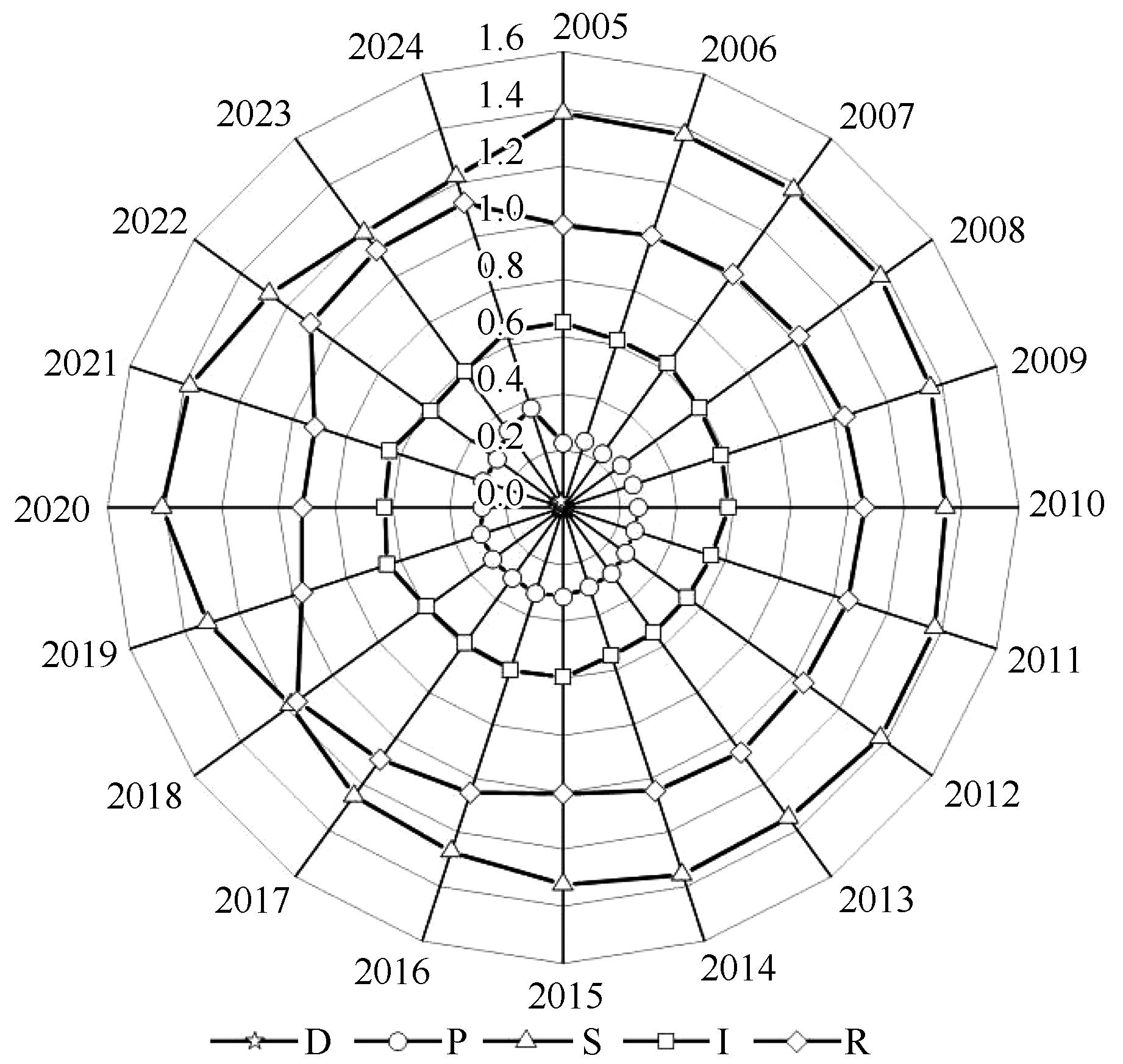
Fig.5 Obstacle degree of each subsystem of tourism ecological security in the Qinghai Lake region during 2005-2024
| [1] | 查瑞波,许进鎔,王善杰.碳排放视角下入境旅游对共同富裕的影响[J].自然资源学报,2023,38(5):1210-1224. |
| [2] | 章锦河,张捷,王群.旅游地生态安全测度分析:以九寨沟自然保护区为例[J].地理研究,2008(2):449-458. |
| [3] | 翁钢民,潘越,李凌雁.基于改进DPSIR-DS模型的旅游生态安全等级测度及时空演变分析:以“丝绸之路”沿线五省区为例[J].旅游科学,2018,32(6):17-32. |
| [4] | 李细归,吴清,周勇.中国省域旅游生态安全时空格局与空间效应[J].经济地理,2017,37(3):210-217. |
| [5] | 熊好琴,李旭光,姜文华,等.武隆县旅游开发中的生态安全对策研究[J].重庆环境科学,2003,25(5):15-16. |
| [6] | 徐少癸,左逸帆,章牧.基于模糊物元模型的中国旅游生态安全评价及障碍因子诊断研究[J].地理科学,2021,41(1):33-43. |
| [7] | 石丹,关婧文.基于DPSIR-物元的吉林省旅游生态安全时空格局测度及障碍诊断[J].生态学杂志,2022,41(8):1653-1664. |
| [8] | 李竹,吴卫.长江中游旅游生态效率与区域生态安全的空间一致性研究[J].长江流域资源与环境,2022,31(3):537-550. |
| [9] | 卢璐,曾坚,于天虎.旅游生态安全研究进展[J].生态科学,2023,42(2):238-247. |
| [10] | 曹新向,陈太政,王伟红.旅游地生态安全评价研究:以开封市为例[J].水土保持研究,2006,13(2):209-212. |
| [11] | 周彬,朱宇辰,虞虎,等.旅游生态安全研究现状、评述与展望[J].生态学报,2025,45(3):1049-1058. |
| [12] | 李智慧,靳诚,魏俊伟,等.中国旅游生态安全时空格局演化及影响因素研究[J].地理与地理信息科学,2025,41(5):134-142. |
| [13] | 杨利,丁富艳,杨可欣.重庆市旅游生态安全评价及趋势预测[J].四川旅游学院学报,2022(5):51-57. |
| [14] | 秦晓楠,程钰.中国旅游城市生态安全系统评估与类型划分研究:基于节点权重约束网络DEA模型[J].地理科学,2019,39(1):156-163. |
| [15] | 王凯,刘美伦,谭佳欣.旅游产业集聚与旅游生态安全的互动关系研究:以长江中游城市群为例[J].中南林业科技大学学报(社会科学版),2024,18(2):70-82. |
| [16] | 周彬,乔荟潼,肖芳珍,等.基于变权理论和灰色云模型的海岛旅游地生态安全评价:以舟山群岛为例[J].生态学报,2026,46(4):1976-1991. |
| [17] | 吕君,陈田,刘丽梅.区域旅游发展的生态安全系统分析:以内蒙古自治区四子王旗为例[J].地理科学进展,2008,27(2):80-88. |
| [18] | 董雪旺.旅游地生态安全评价研究:以五大连池风景名胜区为例[J].哈尔滨师范大学自然科学学报,2003,19(6):100-105. |
| [19] | 周国海.旅游地生态安全状态评价与维护:以武陵源风景名胜区为例[J].社会科学家,2009(11):91-94. |
| [20] | 余正军,杨梦妮,韩朝阳.基于PSR模型的西藏旅游生态安全分析[J].西藏民族大学学报(哲学社会科学版),2023,44(1):140-146. |
| [21] | 徐美,刘春腊.张家界市旅游生态安全评价及障碍因子分析[J].长江流域资源与环境,2018,27(3):605-614. |
| [22] | 周彬,虞虎,钟林生,等.普陀山岛旅游生态安全发展趋势预测[J].生态学报,2016,36(23):7792-7803. |
| [23] | Ruan W Q, Li Y Q, Zhang S N,et al.Evaluation and drive mechanism of tourism ecological security based on the DPSIR-DEA model[J].Tourism Management,2019,75:609-625. |
| [24] | 周彬,钟林生,陈田,等.浙江省旅游生态安全的时空格局及障碍因子[J].地理科学,2015,35(5):599-607. |
| [25] | 王飞鸿,黄婷,蒋伟峰,等.中国西北地区旅游生态安全的时空特征及影响因素[J].安徽师范大学学报(自然科学版),2025,48(4):360-369. |
| [26] | 何小芊,刘亚菲.基于GTWR模型的长江经济带旅游生态安全影响因素时空特征[J].长江流域资源与环境,2026,35(1):156-173. |
| [27] | 穆学青,郭向阳,明庆忠,等.黄河流域旅游生态安全的动态演变特征及驱动因素[J].地理学报,2022,77(3):714-735. |
| [28] | 吕雅诗,刘敏,闫旭纲.汾河流域旅游生态安全时空格局演变与影响因素[J].地域研究与开发,2023,42(5):87-93. |
| [29] | 肖钊富,李瑞,吕宛青.成渝城市群旅游生态安全时空格局演化研究[J].世界地理研究,2023,32(10):122-133. |
| [30] | 田里,闫子豪,王桀.边境旅游生态安全时空格局及影响因素分析[J].生态经济,2023,39(7):149-156. |
| [31] | 张鹏,丘萍.岩溶地区旅游生态安全评价及趋势分析:以广西为例[J].中国岩溶,2014,33(4):483-489. |
| [32] | 郑永贤,薛菲,张智光.森林旅游景区生态安全IRDS模型实证研究[J].资源科学,2015,37(12):2350-2361. |
| [33] | Wang Y, Wu C S, Wang F F,et al.Comprehensive evaluation and prediction of tourism ecological security in droughty area national parks:a case study of Qilian Mountain of Zhangye section,China[J].Environmental Science and Pollution Research,2021,28:16816-16829. |
| [34] | 才让多杰.让绿水青山永远成为青海的优势和骄傲[N/OL].青海日报,2025-05-12. |
| [35] | 魏小星.青海湖东沙化治理过程中土壤酶活性及养分含量特征[J].草业科学,2017,34(7):1408-1418. |
| [36] | 李惠梅,李荣杰,晏旭昇,等.青海湖流域生态风险评价及生态功能分区研究[J].生态环境学报,2023,32(7):1185-1195. |
| [37] | 刘泽碧,窦筱艳,毛旭锋,等.青海湖流域沉积物重金属生态风险评价及来源解析[J].环境工程学报,2025,19(5):1061-1073. |
| [38] | 何敏.青海湖国际生态旅游目的地示范区创建取得阶段性成效[N].青海日报,2025-1-14. |
| [39] | 苏昊,杜鸣溪,刘秋雨,等.青海湖国家公园旅游线路生态环境潜在压力评估[J].干旱区资源与环境,2026,40(3):186-197. |
| [40] | 路国珍.青海湖主景区首次实现经营性收入超门票收入[N].青海日报,2025-03-10. |
| [41] | 曹生奎,曹广超,陈克龙,等.青海湖高寒湿地生态系统服务价值动态[J].中国沙漠,2014,34(5):1402-1409. |
| [42] | Running S, Zhao M.MODIS/Terra net primary production gap-filled yearly l4 global 500m SIN grid V061[DS].NASA EOSDIS Land Processes Distributed Active Archive Center,2021.doi.org/ 10.5067/MODIS/MOD17A3HGF.061 |
| [43] | Vermote E.MODIS/Terra surface reflectance 8-day l3 global 500m SIN grid V061[DS].NASA Land Processes Distributed Active Archive Center,2021.doi.org/ 10.5067/MODIS/MOD09A1.061 |
| [44] | Didan K.MOD13Q1 MODIS/Terra vegetation indices 16-day l3 global 250 m SIN grid V061[DS].NASA EOSDIS Land Processes Distributed Active Archive Center,2021.doi.org/10. 5067/MODIS/MOD13Q1.061 |
| [45] | 魏丽蓉,程占红,石烨,等.黄河流域旅游生态安全的演化特征和影响因素分析:基于社会网络分析视角[J].干旱区地理,2026,48(2):245-254. |
| [46] | 刘倩倩,张鑫,吴寒青.基于模糊物元模型的旅游生态安全测度及障碍因子分析:以安徽省为例[J].林业经济,2022,44(8):42-60. |
| [47] | 陈正逸.祁连山国家公园县域旅游生态安全的时空演变及障碍因素研究[D].西宁:青海师范大学,2023. |
| [48] | 徐美,刘春腊,李丹,等.基于改进TOPSIS-灰色GM(1,1)模型的张家界市旅游生态安全动态预警[J].应用生态学报,2017,28(11):3731-3739. |
| [49] | 王兆峰,陈青青.1998年以来长江经济带旅游生态安全时空格局演化及趋势预测[J].生态学报,2021,41(1):320-332. |
| [50] | 张志明,许欢科.基于PSR模型的桂林喀斯特世界自然遗产地旅游生态环境安全评价与诊断[J].桂林师范高等专科学校学报,2019,33(1):13-18. |
| [51] | 陆保一,明庆忠,史鹏飞,等.基于DPSIR-SBM框架的旅游生态安全时空动态及影响路径:以云南省为例[J].地理与地理信息科学,2023,39(6):134-142. |
| [52] | 刘延国,廖彦淞,王青,等.生态旅游视域下的岷江上游贫困山区生态安全评价[J].中国农业资源与区划,2018,39(2):189-195. |
| [53] | 张戬,陈佳,黄馨,等.水资源约束下的河西走廊城市经济脆弱性时空演变及其影响因素[J].中国沙漠,2019,39(1):203-211. |
| [54] | 马金涛,苗红,温胜强,等.基于P-S-R模型的甘肃省旅游生态安全时空格局演变[J].湖南科技大学学报(自然科学版),2020,35(3):118-124. |
| [55] | 吴清,陈嘉琳,焦义彬,等.基于DPSIR框架的中国省域乡村旅游生态安全时空演变及障碍因子研究[J].旅游科学,2025,39(6):109-127. |
| [56] | 杨良健,曹开军.新疆85个县市旅游生态安全时空格局演变及驱动机制[J].生态学报,2021,41(23):9239-9252. |
| [57] | 郭向阳,明庆忠,杨春宇,等.喀斯特生态脆弱区旅游生态系统韧性时空变化及多尺度障碍因素:以贵州省为例[J].经济地理,2023,43(10):190-200. |
| [58] | 王宏,李晓兵,乔云伟.青海湖流域生态安全评价[J].地球环境学报,2010,1(3):230-238. |
| [59] | 张明,崔军,曹学章.青海湖流域草地退化时空分布特征[J].生态与农村环境学报,2017,33(5):426-432. |
| [60] | 中共中央办公厅,国务院办公厅.关于建立以国家公园为主体的自然保护地体系的指导意见[J].中华人民共和国国务院公报,2019(19):16-21. |
| [61] | 张颖,钞振华,杨永顺,等.基于PSR模型的青海湖流域生态环境保护效果评价[J].草业科学,2016,33(5):851-860. |
| [62] | 周笃珺,马海州,山发寿,等.青海湖流域及周边地区的草地资源与生态保护[J].资源科学,2006,28(3):94-101. |
| [63] | 王振波,梁龙武,褚昕阳,等.青藏高原旅游经济与生态环境协调效应测度及交互胁迫关系验证[J].地球信息科学学报,2019,21(9):1352-1366. |
| [64] | 贾海发,杜鹏阳.基于DPSIR-TOPSIS和障碍度模型的青海省生态安全评价及障碍因子诊断[J].农业现代化研究,2024,45(2):296-305. |
| [1] | Xuegang Feng, Zhiyuan Li, Wei Zhong. Synergistic evolution and obstacles of cultural-tourism integration and ecological resilience in the Yellow River Basin [J]. Journal of Desert Research, 2025, 45(6): 141-153. |
| [2] | Yaohua Su, Pengrui Zhao, Jiang Liu. Coupling and coordination of digital economy and high-quality development of manufacturing industry in the Yellow River Basin and its obstacle factors [J]. Journal of Desert Research, 2024, 44(6): 268-276. |
| [3] | Wang Ya, Zhou Lihua. Vulnerability of Desertification Reversion Process in Yanchi County, Ningxia, China [J]. JOURNAL OF DESERT RESEARCH, 2018, 38(1): 39-47. |
| Viewed | ||||||
|
Full text |
|
|||||
|
Abstract |
|
|||||
©2018Journal of Desert Research
Tel:0931-8267545
Email:caiedit@lzb.ac.cn;desert@lzb.ac.cn
Support:Magtech
