
- CN 62-1070/P
- ISSN 1000-694X
- Bimonthly 1981
Journal of Desert Research ›› 2026, Vol. 46 ›› Issue (4): 34-47.DOI: 10.7522/j.issn.1000-694X.2025.00182
Previous Articles Next Articles
Hengji Li1( ), Peng Meng1, Zizhen Gong2, Xueyan Zhao3
Received:2025-09-18
Revised:2025-11-12
Online:2026-07-20
Published:2026-08-27
CLC Number:
Hengji Li, Peng Meng, Zizhen Gong, Xueyan Zhao. Comprehensive evaluation and driving factors of urban resilience in the Yellow River Basin[J]. Journal of Desert Research, 2026, 46(4): 34-47.
Add to citation manager EndNote|Ris|BibTeX
URL: http://www.desert.ac.cn/EN/10.7522/j.issn.1000-694X.2025.00182
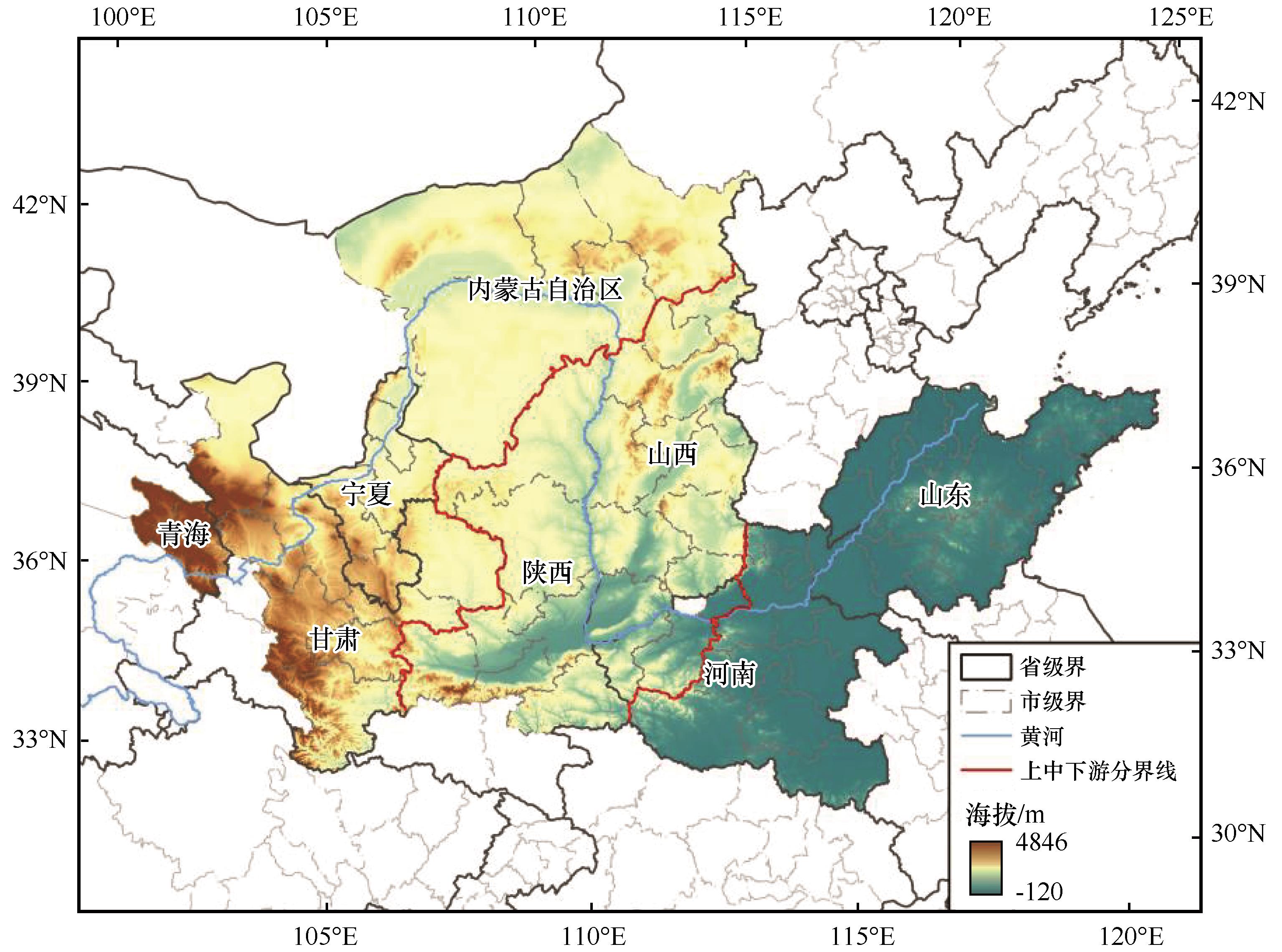
Fig.1 Overview map of the study area
| 目标层 | 指标层 | 单位 | 含义 | 属性 |
|---|---|---|---|---|
| 生产 | 生产用地比例 | % | 衡量城市生产活动空间承载能力与布局效率 | + |
| 人均GDP | 元 | 衡量地区经济发展水平 | + | |
| 人均固定资产投资额 | 元 | 反映城市对未来生产能力的投入 | + | |
| 社会消费品零售总额 | 万元 | 衡量市场需求活跃度和居民消费能力 | + | |
| 城乡居民储蓄年末余额 | 元 | 反映居民财富积累、潜在消费能力及稳定性 | + | |
| 第一产业产值占GDP比例 | % | 反映城市产业结构的优化和多元化 | - | |
| 第二产业产值占GDP比例 | % | +/- | ||
| 第三产业产值占GDP比例 | % | + | ||
| 人均可支配收入 | 元 | 衡量居民购买力及经济发展成果的分享程度 | + | |
| 公共财政收入占GDP比重 | % | 反映政府调控经济、提供公共服务的财政能力 | + | |
| 生态 | 大气污染物排放量 | — | 反映城市发展对空气质量造成的压力 | - |
| 二氧化碳排放量 | t | 衡量城市活动对全球气候变化的影响 | - | |
| 生活垃圾无害化处理率 | % | 反映城市废物管理能力和对环境的保护水平 | + | |
| 污水处理厂污水集中处理率 | % | 衡量城市对生活污水集中处理的能力 | + | |
| 一般工业固体废物综合利用率 | % | 反映城市对工业固体废物的循环利用能力 | + | |
| 归一化植被指数(NDVI) | — | 反映城市生态系统健康状况 | + | |
| 人均公园绿地面积 | m2 | 反映城市绿色空间可达性和质量 | + | |
| 建成区绿化覆盖率 | % | 衡量城市建成区植被覆盖程度 | + | |
| 空气质量大于二级以上天数占比 | % | 城市空气质量的直接量化 | + | |
| 生活 | 公共图书馆数量 | 座 | 反映城市公共文化服务水平 | + |
| 燃气普及率 | % | 反映城市能源供应基础设施完善程度 | + | |
| 排水管网密度 | km·km-2 | 反映城市防洪排涝基础设施完善程度 | + | |
| 人均用电量 | kWh | 衡量城市能源需求和利用水平 | + | |
| 人均用水量 | m3 | 衡量城市水资源消耗水平 | + | |
| 年末移动电话用户数 | 人 | 反映城市信息通信基础设施覆盖程度 | + | |
| 人口密度 | 人·km-2 | 反映城市对人口的吸引力和集聚能力 | - | |
| 每万人公共汽车数 | 辆 | 衡量城市公共交通系统服务水平和便捷性 | + | |
| 每万人拥有医疗卫生机构床位数 | 张 | 反映城市医疗卫生服务供给能力 | + | |
| 就业率 | % | 衡量劳动力市场的活跃度 | + | |
| 基本社会保障覆盖率 | % | 衡量社会安全网完善程度 | + | |
| 在校学生数 | 人 | 反映城市教育资源提供水平及培养能力 | + | |
| 人均道路面积 | m2 | 衡量城市交通基础设施的完善程度 | + |
Table 1 Comprehensive evaluation index system for urban resilience in the Yellow River Basin
| 目标层 | 指标层 | 单位 | 含义 | 属性 |
|---|---|---|---|---|
| 生产 | 生产用地比例 | % | 衡量城市生产活动空间承载能力与布局效率 | + |
| 人均GDP | 元 | 衡量地区经济发展水平 | + | |
| 人均固定资产投资额 | 元 | 反映城市对未来生产能力的投入 | + | |
| 社会消费品零售总额 | 万元 | 衡量市场需求活跃度和居民消费能力 | + | |
| 城乡居民储蓄年末余额 | 元 | 反映居民财富积累、潜在消费能力及稳定性 | + | |
| 第一产业产值占GDP比例 | % | 反映城市产业结构的优化和多元化 | - | |
| 第二产业产值占GDP比例 | % | +/- | ||
| 第三产业产值占GDP比例 | % | + | ||
| 人均可支配收入 | 元 | 衡量居民购买力及经济发展成果的分享程度 | + | |
| 公共财政收入占GDP比重 | % | 反映政府调控经济、提供公共服务的财政能力 | + | |
| 生态 | 大气污染物排放量 | — | 反映城市发展对空气质量造成的压力 | - |
| 二氧化碳排放量 | t | 衡量城市活动对全球气候变化的影响 | - | |
| 生活垃圾无害化处理率 | % | 反映城市废物管理能力和对环境的保护水平 | + | |
| 污水处理厂污水集中处理率 | % | 衡量城市对生活污水集中处理的能力 | + | |
| 一般工业固体废物综合利用率 | % | 反映城市对工业固体废物的循环利用能力 | + | |
| 归一化植被指数(NDVI) | — | 反映城市生态系统健康状况 | + | |
| 人均公园绿地面积 | m2 | 反映城市绿色空间可达性和质量 | + | |
| 建成区绿化覆盖率 | % | 衡量城市建成区植被覆盖程度 | + | |
| 空气质量大于二级以上天数占比 | % | 城市空气质量的直接量化 | + | |
| 生活 | 公共图书馆数量 | 座 | 反映城市公共文化服务水平 | + |
| 燃气普及率 | % | 反映城市能源供应基础设施完善程度 | + | |
| 排水管网密度 | km·km-2 | 反映城市防洪排涝基础设施完善程度 | + | |
| 人均用电量 | kWh | 衡量城市能源需求和利用水平 | + | |
| 人均用水量 | m3 | 衡量城市水资源消耗水平 | + | |
| 年末移动电话用户数 | 人 | 反映城市信息通信基础设施覆盖程度 | + | |
| 人口密度 | 人·km-2 | 反映城市对人口的吸引力和集聚能力 | - | |
| 每万人公共汽车数 | 辆 | 衡量城市公共交通系统服务水平和便捷性 | + | |
| 每万人拥有医疗卫生机构床位数 | 张 | 反映城市医疗卫生服务供给能力 | + | |
| 就业率 | % | 衡量劳动力市场的活跃度 | + | |
| 基本社会保障覆盖率 | % | 衡量社会安全网完善程度 | + | |
| 在校学生数 | 人 | 反映城市教育资源提供水平及培养能力 | + | |
| 人均道路面积 | m2 | 衡量城市交通基础设施的完善程度 | + |
| 目标层 | 序号 | 指标 | 单位 | 含义 | 属性 |
|---|---|---|---|---|---|
| 自然表征 | X1 | 平均坡度 | 度 | 城市抵御自然扰动的“基础条件” | - |
| X2 | 年降水量 | mm | + | ||
| 科技教育 | X3 | 科学技术支出占公共预算支出比重 | % | 提升城市整体韧性水平的“赋能器” | + |
| 经济基础 | X4 | 地区生产总值(GDP) | 万元 | 城市韧性物质保障、支撑基础 | + |
| 城市建设 | X5 | 建成区面积 | km2 | 城市空间规模和发展程度 | + |
| 空间承载 | X6 | 生态足迹 | — | 城市对生存环境的压力 | + |
| 城市发展 | X7 | 城镇化率 | % | 城市化进程 | + |
| 经济开放 | X8 | 当年实际使用外资金额 | 万元 | 经济活跃程度 | + |
Table 2 Indicator system of driving factors for urban resilience in the Yellow River Basin
| 目标层 | 序号 | 指标 | 单位 | 含义 | 属性 |
|---|---|---|---|---|---|
| 自然表征 | X1 | 平均坡度 | 度 | 城市抵御自然扰动的“基础条件” | - |
| X2 | 年降水量 | mm | + | ||
| 科技教育 | X3 | 科学技术支出占公共预算支出比重 | % | 提升城市整体韧性水平的“赋能器” | + |
| 经济基础 | X4 | 地区生产总值(GDP) | 万元 | 城市韧性物质保障、支撑基础 | + |
| 城市建设 | X5 | 建成区面积 | km2 | 城市空间规模和发展程度 | + |
| 空间承载 | X6 | 生态足迹 | — | 城市对生存环境的压力 | + |
| 城市发展 | X7 | 城镇化率 | % | 城市化进程 | + |
| 经济开放 | X8 | 当年实际使用外资金额 | 万元 | 经济活跃程度 | + |
| 判断依据 | 交互作用 |
|---|---|
| q(X1∩X2)<min(q(X1),q(X2)) | 非线性减弱 |
| min(q(X1),q(X2))<q(X1∩X2)<max(q(X1),q(X2)) | 单因子非线性减弱 |
| q(X1∩X2)>max(q(X1),q(X2)) | 双因子增强 |
| q(X1∩X2)=q(X1)+q(X2) | 相互独立 |
| q(X1∩X2)>q(X1)+q(X2) | 非线性增强 |
Table 3 Basis for interaction assessment
| 判断依据 | 交互作用 |
|---|---|
| q(X1∩X2)<min(q(X1),q(X2)) | 非线性减弱 |
| min(q(X1),q(X2))<q(X1∩X2)<max(q(X1),q(X2)) | 单因子非线性减弱 |
| q(X1∩X2)>max(q(X1),q(X2)) | 双因子增强 |
| q(X1∩X2)=q(X1)+q(X2) | 相互独立 |
| q(X1∩X2)>q(X1)+q(X2) | 非线性增强 |
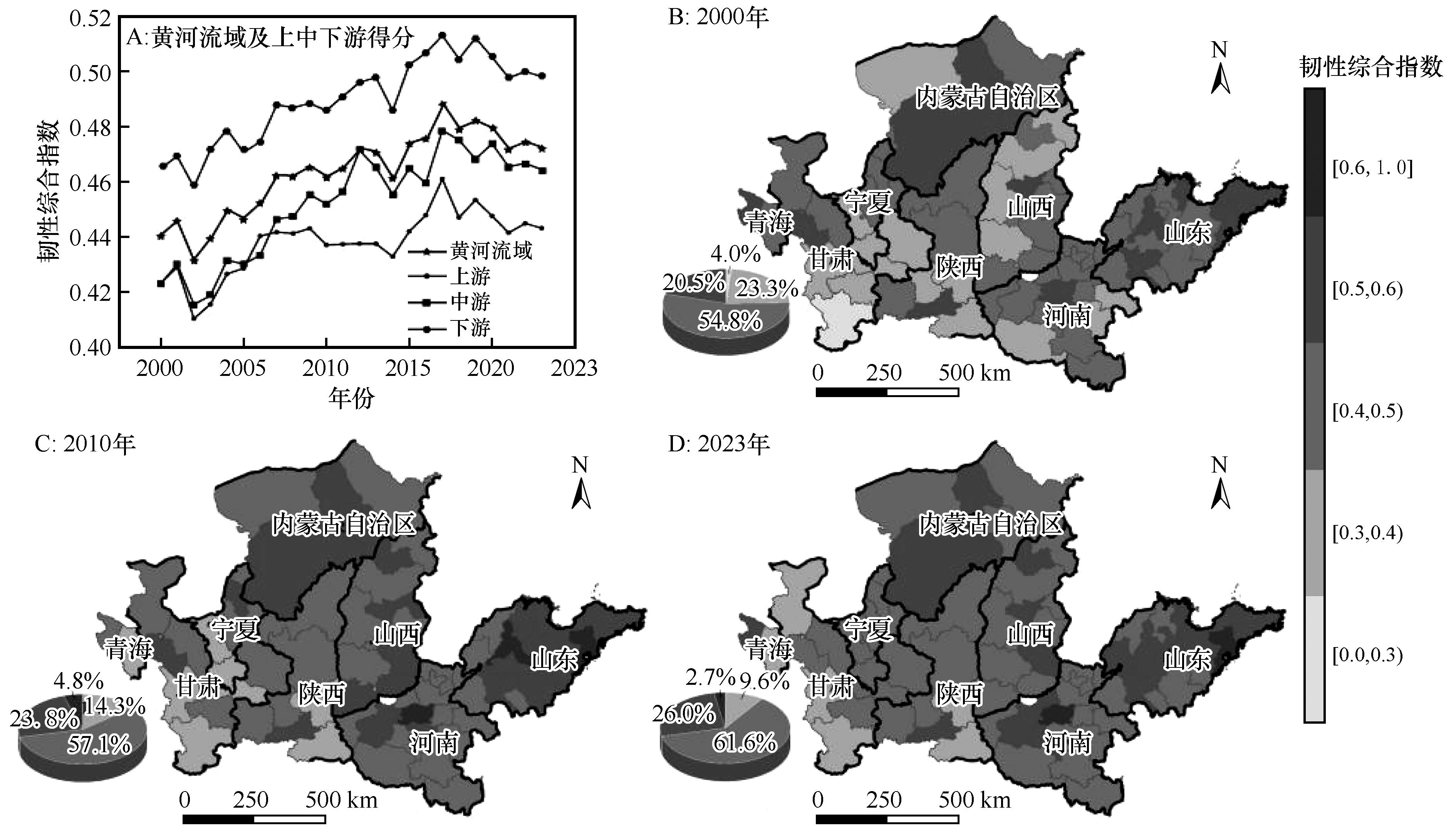
Fig.2 Spatio-temporal variation of urban resilience in the Yellow River Basin
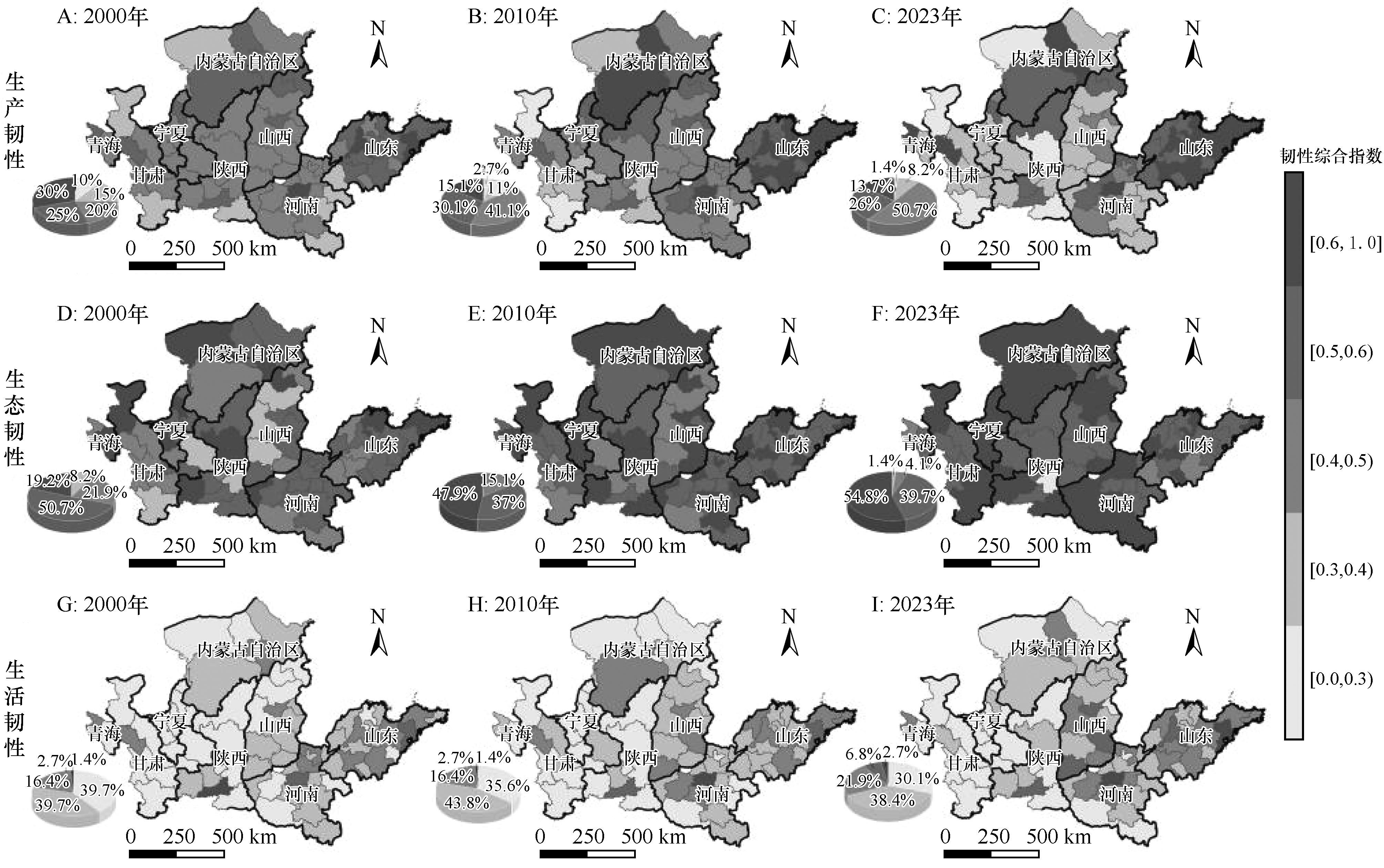
Fig.3 Urban resilience at the production-ecology-life level of 73 cities in the Yellow River Basin
| 年份 | Moran's I指数 | z得分 | P值 | 年份 | Moran's I指数 | z得分 | P值 |
|---|---|---|---|---|---|---|---|
| 2000 | 0.087 | 1.066 | 0.004 | 2012 | 0.169 | 1.599 | 0.007 |
| 2001 | 0.116 | 1.998 | 0.004 | 2013 | 0.183 | 1.181 | 0.010 |
| 2002 | 0.119 | 1.805 | 0.002 | 2014 | 0.234 | 1.790 | 0.007 |
| 2003 | 0.123 | 1.439 | 0.001 | 2015 | 0.239 | 1.867 | 0.006 |
| 2004 | 0.121 | 1.528 | 0.001 | 2016 | 0.259 | 2.142 | 0.032 |
| 2005 | 0.128 | 1.365 | 0.020 | 2017 | 0.280 | 1.958 | 0.005 |
| 2006 | 0.115 | 2.216 | 0.044 | 2018 | 0.295 | 1.022 | 0.004 |
| 2007 | 0.128 | 1.077 | 0.004 | 2019 | 0.317 | 1.303 | 0.006 |
| 2008 | 0.133 | 1.128 | 0.004 | 2020 | 0.445 | 2.414 | 0.046 |
| 2009 | 0.157 | 1.343 | 0.003 | 2021 | 0.457 | 2.200 | 0.040 |
| 2010 | 0.175 | 1.043 | 0.004 | 2022 | 0.464 | 3.117 | 0.000 |
| 2011 | 0.171 | 0.747 | 0.004 | 2023 | 0.474 | 2.367 | 0.001 |
Table 4 Global Moran's I index of urban resilience in the Yellow River Basin
| 年份 | Moran's I指数 | z得分 | P值 | 年份 | Moran's I指数 | z得分 | P值 |
|---|---|---|---|---|---|---|---|
| 2000 | 0.087 | 1.066 | 0.004 | 2012 | 0.169 | 1.599 | 0.007 |
| 2001 | 0.116 | 1.998 | 0.004 | 2013 | 0.183 | 1.181 | 0.010 |
| 2002 | 0.119 | 1.805 | 0.002 | 2014 | 0.234 | 1.790 | 0.007 |
| 2003 | 0.123 | 1.439 | 0.001 | 2015 | 0.239 | 1.867 | 0.006 |
| 2004 | 0.121 | 1.528 | 0.001 | 2016 | 0.259 | 2.142 | 0.032 |
| 2005 | 0.128 | 1.365 | 0.020 | 2017 | 0.280 | 1.958 | 0.005 |
| 2006 | 0.115 | 2.216 | 0.044 | 2018 | 0.295 | 1.022 | 0.004 |
| 2007 | 0.128 | 1.077 | 0.004 | 2019 | 0.317 | 1.303 | 0.006 |
| 2008 | 0.133 | 1.128 | 0.004 | 2020 | 0.445 | 2.414 | 0.046 |
| 2009 | 0.157 | 1.343 | 0.003 | 2021 | 0.457 | 2.200 | 0.040 |
| 2010 | 0.175 | 1.043 | 0.004 | 2022 | 0.464 | 3.117 | 0.000 |
| 2011 | 0.171 | 0.747 | 0.004 | 2023 | 0.474 | 2.367 | 0.001 |
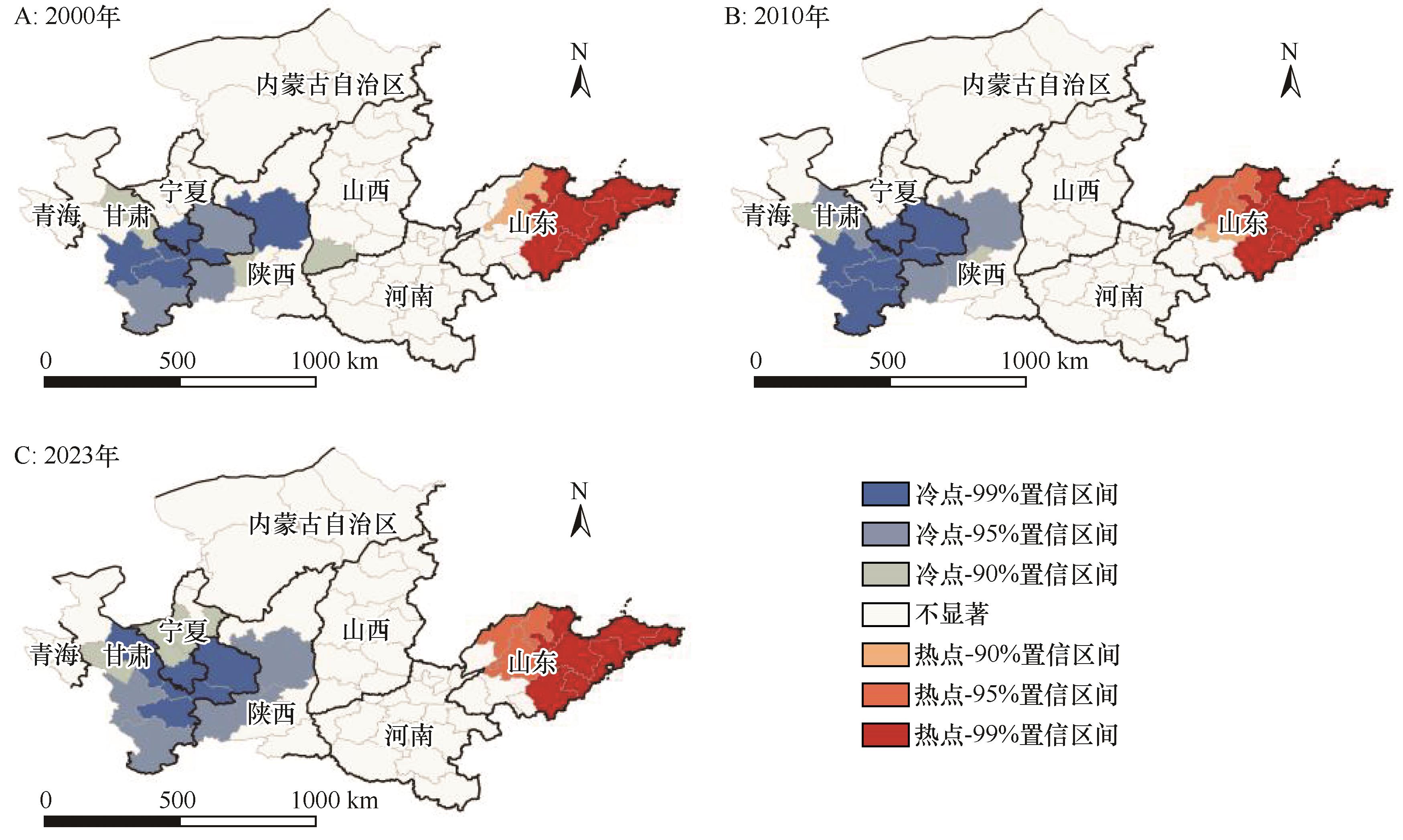
Fig.4 Cold-hotspot evolution of urban resilience in the Yellow River Basin
| 年份 | X1 | X2 | X3 | X4 | X5 | X6 | X7 | X8 |
|---|---|---|---|---|---|---|---|---|
| 2000 | 0.181 | 0.130 | 0.044 | 0.174 | 0.029 | 0.062 | 0.013 | 0.170 |
| 2001 | 0.130 | 0.045 | 0.059 | 0.383 | 0.153 | 0.102 | 0.319 | 0.367 |
| 2002 | 0.130 | 0.036 | 0.013 | 0.434 | 0.151 | 0.127 | 0.328 | 0.358 |
| 2003 | 0.204 | 0.060 | 0.034 | 0.483 | 0.188 | 0.079 | 0.292 | 0.333 |
| 2004 | 0.167 | 0.083 | 0.035 | 0.432 | 0.176 | 0.057 | 0.365 | 0.366 |
| 2005 | 0.019 | 0.099 | 0.045 | 0.441 | 0.190 | 0.061 | 0.395 | 0.474 |
| 2006 | 0.163 | 0.089 | 0.023 | 0.460 | 0.166 | 0.047 | 0.350 | 0.497 |
| 2007 | 0.177 | 0.110 | 0.529 | 0.476 | 0.248 | 0.047 | 0.305 | 0.412 |
| 2008 | 0.187 | 0.173 | 0.471 | 0.488 | 0.234 | 0.078 | 0.410 | 0.408 |
| 2009 | 0.175 | 0.174 | 0.512 | 0.449 | 0.263 | 0.063 | 0.339 | 0.366 |
| 2010 | 0.186 | 0.197 | 0.508 | 0.474 | 0.239 | 0.046 | 0.409 | 0.439 |
| 2011 | 0.172 | 0.049 | 0.540 | 0.571 | 0.245 | 0.073 | 0.325 | 0.462 |
| 2012 | 0.147 | 0.048 | 0.457 | 0.545 | 0.246 | 0.092 | 0.378 | 0.542 |
| 2013 | 0.184 | 0.083 | 0.555 | 0.542 | 0.286 | 0.102 | 0.531 | 0.520 |
| 2014 | 0.174 | 0.086 | 0.469 | 0.544 | 0.274 | 0.103 | 0.485 | 0.485 |
| 2015 | 0.211 | 0.089 | 0.544 | 0.521 | 0.268 | 0.109 | 0.543 | 0.522 |
| 2016 | 0.269 | 0.133 | 0.422 | 0.569 | 0.335 | 0.146 | 0.407 | 0.561 |
| 2017 | 0.198 | 0.048 | 0.441 | 0.538 | 0.305 | 0.148 | 0.407 | 0.482 |
| 2018 | 0.204 | 0.102 | 0.389 | 0.502 | 0.336 | 0.145 | 0.405 | 0.309 |
| 2019 | 0.218 | 0.030 | 0.481 | 0.481 | 0.335 | 0.161 | 0.416 | 0.413 |
| 2020 | 0.154 | 0.083 | 0.350 | 0.482 | 0.250 | 0.164 | 0.474 | 0.447 |
| 2021 | 0.155 | 0.106 | 0.360 | 0.473 | 0.297 | 0.171 | 0.418 | 0.361 |
| 2022 | 0.161 | 0.101 | 0.505 | 0.531 | 0.256 | 0.175 | 0.411 | 0.390 |
| 2023 | 0.164 | 0.043 | 0.421 | 0.529 | 0.257 | 0.173 | 0.423 | 0.427 |
| 均值 | 0.172 | 0.092 | 0.342 | 0.480 | 0.239 | 0.106 | 0.381 | 0.421 |
Table 5 Detection results of urban resilience drivers in the Yellow River Basin
| 年份 | X1 | X2 | X3 | X4 | X5 | X6 | X7 | X8 |
|---|---|---|---|---|---|---|---|---|
| 2000 | 0.181 | 0.130 | 0.044 | 0.174 | 0.029 | 0.062 | 0.013 | 0.170 |
| 2001 | 0.130 | 0.045 | 0.059 | 0.383 | 0.153 | 0.102 | 0.319 | 0.367 |
| 2002 | 0.130 | 0.036 | 0.013 | 0.434 | 0.151 | 0.127 | 0.328 | 0.358 |
| 2003 | 0.204 | 0.060 | 0.034 | 0.483 | 0.188 | 0.079 | 0.292 | 0.333 |
| 2004 | 0.167 | 0.083 | 0.035 | 0.432 | 0.176 | 0.057 | 0.365 | 0.366 |
| 2005 | 0.019 | 0.099 | 0.045 | 0.441 | 0.190 | 0.061 | 0.395 | 0.474 |
| 2006 | 0.163 | 0.089 | 0.023 | 0.460 | 0.166 | 0.047 | 0.350 | 0.497 |
| 2007 | 0.177 | 0.110 | 0.529 | 0.476 | 0.248 | 0.047 | 0.305 | 0.412 |
| 2008 | 0.187 | 0.173 | 0.471 | 0.488 | 0.234 | 0.078 | 0.410 | 0.408 |
| 2009 | 0.175 | 0.174 | 0.512 | 0.449 | 0.263 | 0.063 | 0.339 | 0.366 |
| 2010 | 0.186 | 0.197 | 0.508 | 0.474 | 0.239 | 0.046 | 0.409 | 0.439 |
| 2011 | 0.172 | 0.049 | 0.540 | 0.571 | 0.245 | 0.073 | 0.325 | 0.462 |
| 2012 | 0.147 | 0.048 | 0.457 | 0.545 | 0.246 | 0.092 | 0.378 | 0.542 |
| 2013 | 0.184 | 0.083 | 0.555 | 0.542 | 0.286 | 0.102 | 0.531 | 0.520 |
| 2014 | 0.174 | 0.086 | 0.469 | 0.544 | 0.274 | 0.103 | 0.485 | 0.485 |
| 2015 | 0.211 | 0.089 | 0.544 | 0.521 | 0.268 | 0.109 | 0.543 | 0.522 |
| 2016 | 0.269 | 0.133 | 0.422 | 0.569 | 0.335 | 0.146 | 0.407 | 0.561 |
| 2017 | 0.198 | 0.048 | 0.441 | 0.538 | 0.305 | 0.148 | 0.407 | 0.482 |
| 2018 | 0.204 | 0.102 | 0.389 | 0.502 | 0.336 | 0.145 | 0.405 | 0.309 |
| 2019 | 0.218 | 0.030 | 0.481 | 0.481 | 0.335 | 0.161 | 0.416 | 0.413 |
| 2020 | 0.154 | 0.083 | 0.350 | 0.482 | 0.250 | 0.164 | 0.474 | 0.447 |
| 2021 | 0.155 | 0.106 | 0.360 | 0.473 | 0.297 | 0.171 | 0.418 | 0.361 |
| 2022 | 0.161 | 0.101 | 0.505 | 0.531 | 0.256 | 0.175 | 0.411 | 0.390 |
| 2023 | 0.164 | 0.043 | 0.421 | 0.529 | 0.257 | 0.173 | 0.423 | 0.427 |
| 均值 | 0.172 | 0.092 | 0.342 | 0.480 | 0.239 | 0.106 | 0.381 | 0.421 |
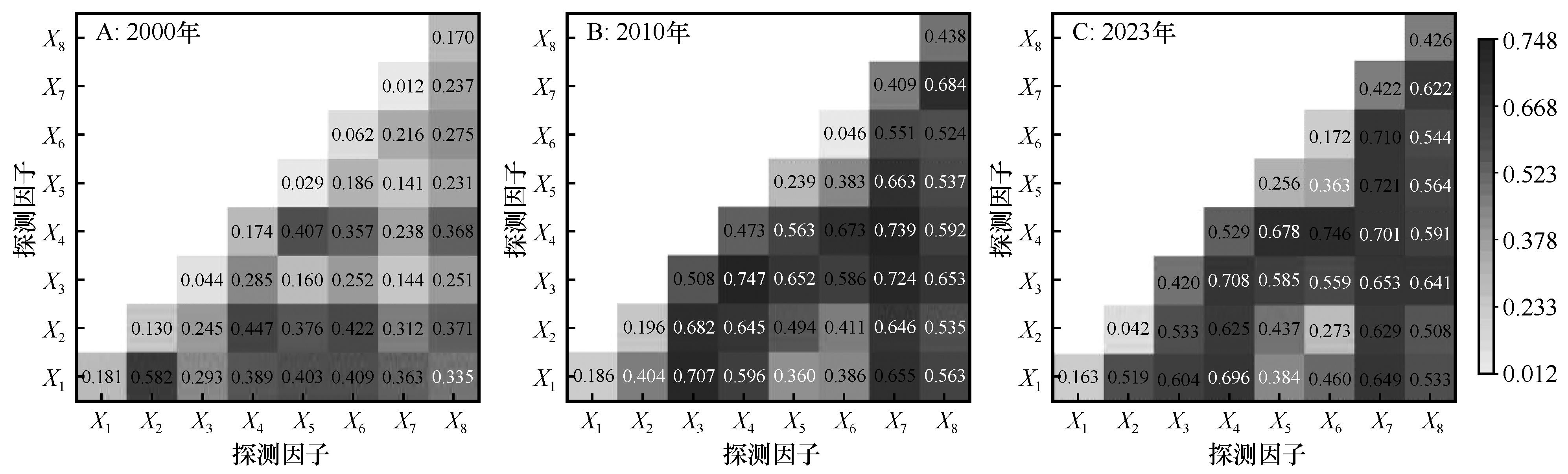
Fig.5 Detection results of interactions among factors of urban resilience in the Yellow River Basin
| [1] | 孙威,刘鸿宇,杨子涵.长江、黄河两大流域可持续发展研究比较[J].资源科学,2024,46(11):2289-2303. |
| [2] | 李连刚,张平宇,程钰,等.黄河流域经济韧性时空演变与影响因素研究[J].地理科学,2022,42(4):557-567. |
| [3] | 赵宏波,谷天顺,孙东琪,等.“三生”功能视角下黄河流域城市人居环境动态演变与机制[J].地理学报,2023,78(12):2973-2999. |
| [4] | 姜海宁,郑舒婷,杨琪,等.黄河流域资源型城市人居环境韧性水平演化及其障碍度[J].资源科学,2024,46(10):2047-2063. |
| [5] | 赵宏波,魏甲晨,孙东琪,等.基于随机森林模型的“生产-生活-生态”空间识别及时空演变分析:以郑州市为例[J].地理研究,2021,40(4):945-957. |
| [6] | 逯承鹏,纪薇,刘志良,等.黄河流域甘肃段县域“三生”功能空间时空格局及影响因素识别[J].地理科学,2022,42(4):579-588. |
| [7] | Song Y Y, Xue D Q, Dai L H,et al.Land cover change and eco-environmental quality response of different geomorphic units on the Chinese Loess Plateau[J].Journal of Arid Land,2020,12(1):29-43. |
| [8] | 王慧丽,徐玉杰,张靖妮,等.基于“三生”视角的黄河流域城市高质量发展测度研究[J].人民黄河,2024,46(1):25-31. |
| [9] | 刘卫婷.“三生空间”视角下沿黄八省区城市综合承载力研究[D].太原:山西财经大学,2023. |
| [10] | 李慧燕.“三生”空间理念下京津冀城市群新型城镇化协调发展研究[J].生态经济,2021,37(5):92-98. |
| [11] | 陈晓红,许晓庆,刘艳军,等.基于三生空间质量的哈长城市群城市脆弱性时空演变格局及驱动力研究[J].生态学报,2022,42(15):6395-6405. |
| [12] | Li Y P, Zhao J S, Zhang S Q,et al.Qualitative-quantitative identification and functional zoning analysis of production-living-ecological space:a case study of urban agglomeration in Central Yunnan,China[J].Environmental Monitoring and Assessment,2023,195(10):1163. |
| [13] | 王超越,郭先华,陆晨东,等.基于FLUS的成渝城市群三生空间演变及模拟预测[J].生态科学,2024,43(5):157-168. |
| [14] | 李娟,李振林.基于GIS空间分析的县域国土空间开发适宜性评价[J].地理空间信息,2021,19(9):57-60. |
| [15] | 赵瑞东,方创琳,刘海猛.城市韧性研究进展与展望[J].地理科学进展,2020,39(10):1717-1731. |
| [16] | 赵政楠,茹少峰,薛飞.黄河流域生态韧性的时空格局与分布动态演进:基于能值生态足迹模型的分析[J].中国人口·资源与环境,2024,34(8):136-147. |
| [17] | 刘同超,吴丹.黄河流域城市经济韧性与生态韧性的耦合协调关系研究[J].人民黄河,2024,46(3):6-11. |
| [18] | 吴孔森,孔冬艳,安传艳.黄河流域人地系统韧性时空演化及协调发展[J].中国沙漠,2023,43(6):246-257. |
| [19] | 赵培红,常佳欣,马原野,等.河北省城市韧性水平测度、时空特征与提升路径研究[J].决策咨询,2025(2):56-63. |
| [20] | 陈有川,张延奇,段文婷,等.基于多源数据的省域县城韧性发展水平评价研究:以山东省为例[J].城市发展研究,2024,31(11):18-23. |
| [21] | 李博雅,史维良.基于PSR模型的黄河流域城市韧性评价[J].科技和产业,2023,23(17):98-103. |
| [22] | 苏佳,武茜,黄光球.基于DPSIR模型的城市韧性评价:以关中城市群为例[J].经营与管理,2024(5):200-208. |
| [23] | 吴康,张静,李栋.中国城市群地区健康城市发展的综合评估及其影响因素[J].地理学报,2024,79(6):1371-1390. |
| [24] | 刘海龙,安芷萱,王焕珂,等.京津冀城市群县域城市韧性与创新效率耦合协调时空演变及影响因素的空间异质性[J].地理研究,2025,44(2):577-602. |
| [25] | 李晓娟,李璐璐,朱月月.韧性城市恢复能力评价研究[J].工程管理学报,2021,35(4):48-52. |
| [26] | 姚翠友,田一凡,王听听,等.京津冀城市群城市韧性时空演变及协调度分析[J].生态经济,2025,41(3):95-102. |
| [27] | 彭坤杰,许春晓,贺小荣.长三角地区城市人居环境韧性水平演化特征[J].经济地理,2023,43(6):74-84. |
| [28] | 马飞,张东伟,陈龙,等.城市群城市韧性水平测度及障碍因子识别[J].长安大学学报(社会科学版),2024,26(2):112-124. |
| [29] | 孙颖琦,张子龙,陈兴鹏,等.多源数据视角下黄河流域城市体系的规模等级与网络结构分析[J].地理科学,2024,44(2):268-277. |
| [30] | 石龙宇,郑巧雅,杨萌,等.城市韧性概念、影响因素及其评估研究进展[J].生态学报,2022,42(14):6016-6029. |
| [31] | 王璇,王成新,史佳璐.中原城市群城市韧性时空演进及跃迁机制[J].地理科学,2024,44(7):1206-1216. |
| [32] | Zhao J, Zhao Y.Synergy/trade-offs and differential optimization of production,living,and ecological functions in the Yangtze River Economic Belt,China[J].Ecological Indicators,2023,147:109925. |
| [33] | 李田田.黄河流域城市韧性时空演变及影响因素研究[D].兰州:兰州大学,2023. |
| [34] | Cheng Q, Lu Y, Wang T,et al.Study on the evolution of the urban land use and the driving mechanism from the perspective of the “productive-living-ecological” spaces[J].Sustainability,2025,17:237. |
| [35] | 姚鸣奇,张卓群,郑艳,等.海绵城市试点建设提高了生态韧性吗?:一项准自然实验[J].城市发展研究,2023,30(4):25-33. |
| [36] | Zou L L, Liu Y S, Wang J Y,et al.An analysis of land use conflict potentials based on ecological-production-living function in the southeast coastal area of China[J].Ecological Indicators,2021,122:107297. |
| [37] | Chen Y, Su X, Zhou Q.Study on the spatiotemporal evolution and influencing factors of urban resilience in the Yellow River Basin[J].International Journal of Environmental Research and Public Health,2021,18(19):10231. |
| [38] | Li H, Wang Y, Zhang H,et al.The spatial-temporal evolution and driving mechanism of urban resilience in the Yellow River Basin cities[J].Journal of Cleaner Production,2024,447:141614. |
| [39] | Ji X, Nie Z, Wang K,et al.Spatiotemporal evolution and influencing factors of urban resilience in the Yellow River Basin,China[J].Regional Sustainability,2024,5(3):54-68. |
| Viewed | ||||||
|
Full text |
|
|||||
|
Abstract |
|
|||||
©2018Journal of Desert Research
Tel:0931-8267545
Email:caiedit@lzb.ac.cn;desert@lzb.ac.cn
Support:Magtech
