
- CN 62-1070/P
- ISSN 1000-694X
- Bimonthly 1981
Journal of Desert Research ›› 2025, Vol. 45 ›› Issue (2): 262-274.DOI: 10.7522/j.issn.1000-694X.2025.00002
Yongjie Liu1,2( ), Heqiang Du1(), Yawei Fan1,2, Shengfei Yang1,2
Received:2024-11-18
Revised:2025-01-01
Online:2025-03-20
Published:2025-03-26
Contact:
Heqiang Du
CLC Number:
Yongjie Liu, Heqiang Du, Yawei Fan, Shengfei Yang. Monitoring of wind erosion desertification process in the Mu Us Desert based on Google Earth Engine (GEE)[J]. Journal of Desert Research, 2025, 45(2): 262-274.
Add to citation manager EndNote|Ris|BibTeX
URL: http://www.desert.ac.cn/EN/10.7522/j.issn.1000-694X.2025.00002
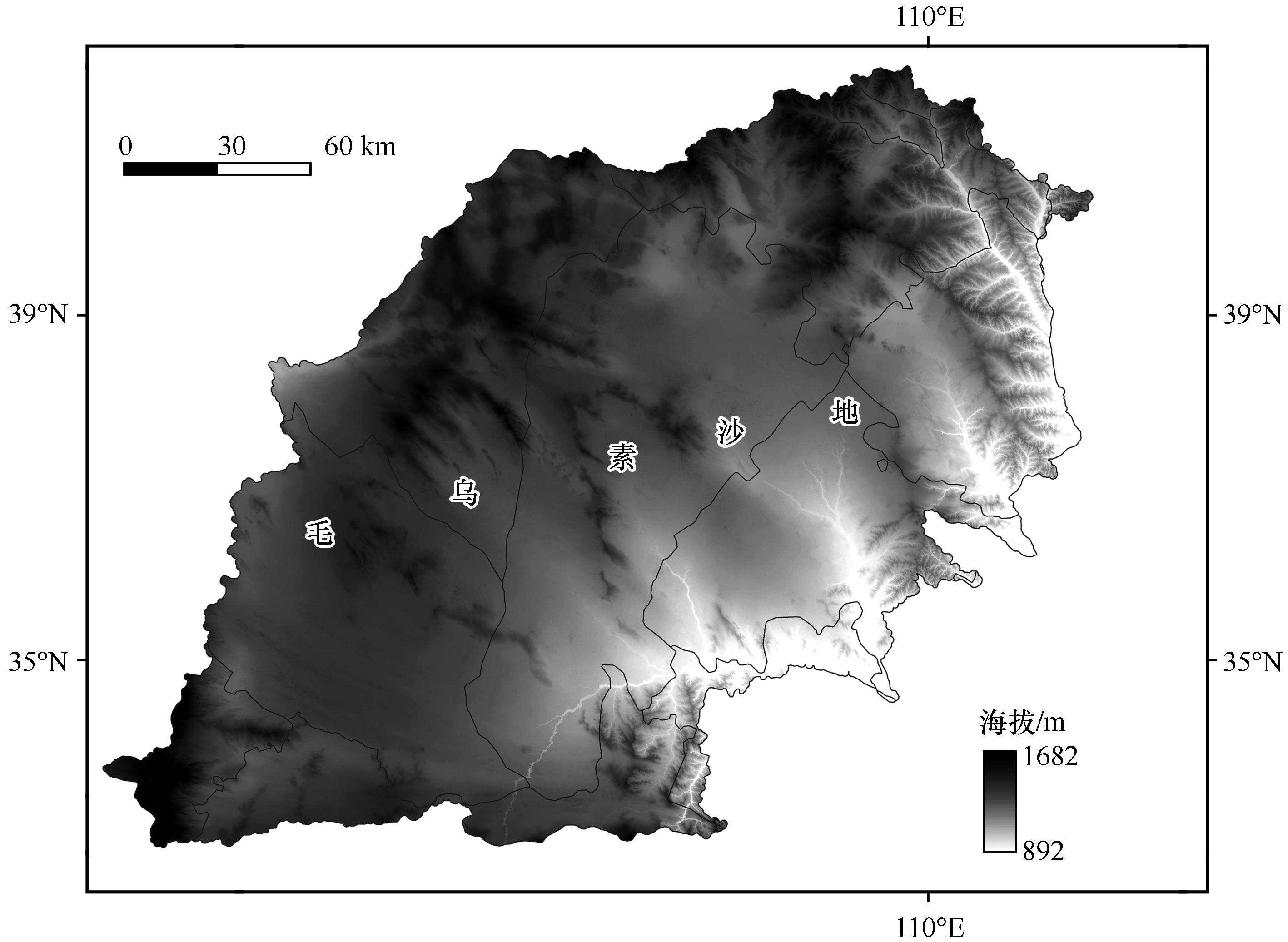
Fig.1 Overview of the study area
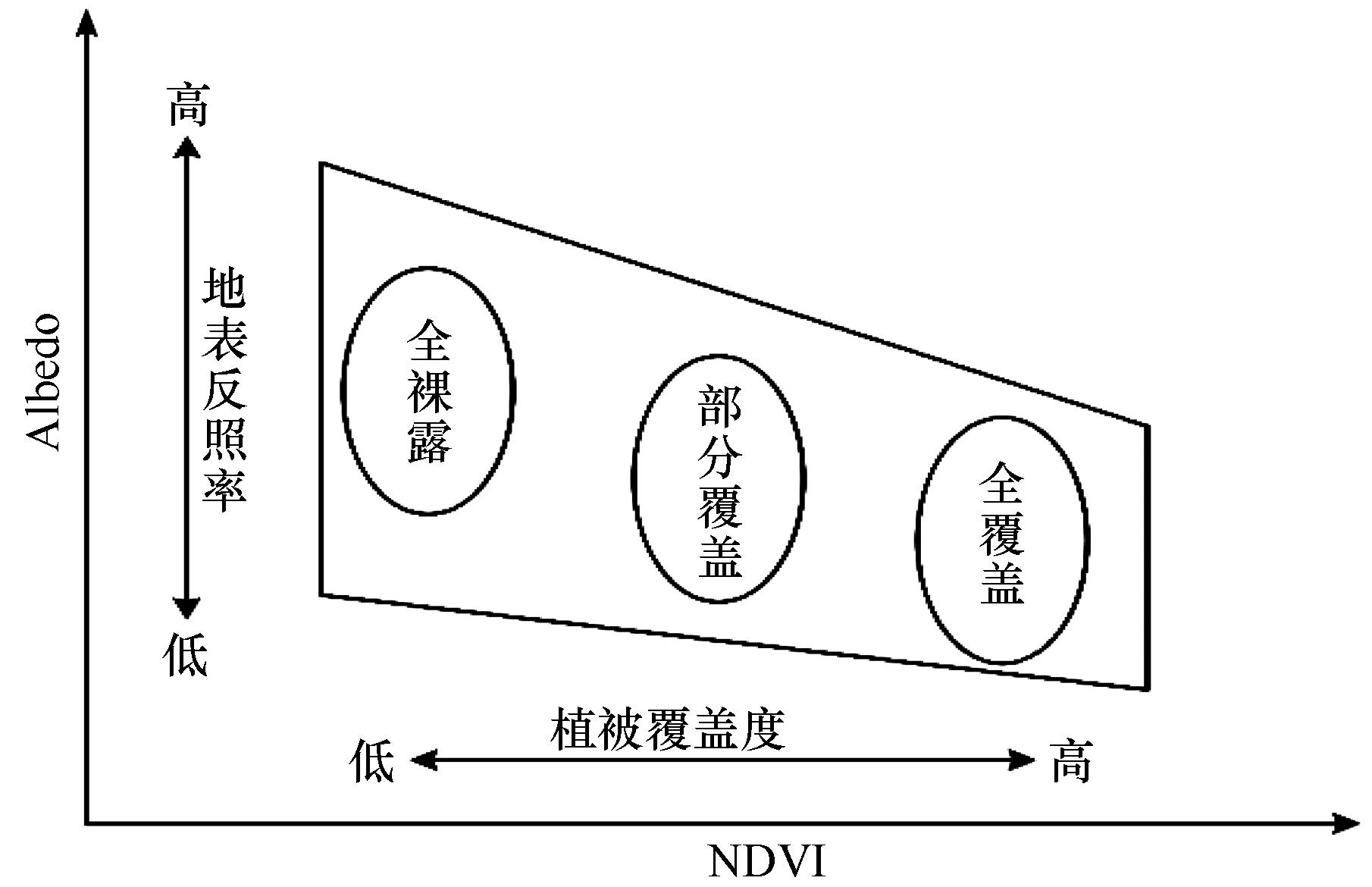
Fig.2 Albedo-NDVI schematic[13]
| 年份 | 荒漠化程度 | ||||
|---|---|---|---|---|---|
| 极重度荒漠化 | 重度荒漠化 | 中度荒漠化 | 轻度荒漠化 | 非荒漠化 | |
| 2000 | ≤-0.38 | -0.38~0.36 | 0.36~0.62 | 0.62~0.95 | ≥0.95 |
| 2005 | ≤-0.29 | -0.29~0.75 | 0.75~1.30 | 1.30~2.13 | ≥2.13 |
| 2010 | ≤-0.05 | -0.05~1.30 | 1.30~2.07 | 2.07~3.15 | ≥3.15 |
| 2015 | ≤-0.40 | -0.40~0.19 | 0.19~0.41 | 0.41~0.73 | ≥0.73 |
| 2020 | ≤-0.27 | -0.27~0.51 | 0.51~0.90 | 0.90~1.42 | ≥1.42 |
| 2022 | ≤-0.33 | -0.33~0.72 | 0.72~1.22 | 1.22~1.84 | ≥1.84 |
Table 1 Desertification Difference Index ( DDI ) classification table of the Mu Us Desert from 2000 to 2022
| 年份 | 荒漠化程度 | ||||
|---|---|---|---|---|---|
| 极重度荒漠化 | 重度荒漠化 | 中度荒漠化 | 轻度荒漠化 | 非荒漠化 | |
| 2000 | ≤-0.38 | -0.38~0.36 | 0.36~0.62 | 0.62~0.95 | ≥0.95 |
| 2005 | ≤-0.29 | -0.29~0.75 | 0.75~1.30 | 1.30~2.13 | ≥2.13 |
| 2010 | ≤-0.05 | -0.05~1.30 | 1.30~2.07 | 2.07~3.15 | ≥3.15 |
| 2015 | ≤-0.40 | -0.40~0.19 | 0.19~0.41 | 0.41~0.73 | ≥0.73 |
| 2020 | ≤-0.27 | -0.27~0.51 | 0.51~0.90 | 0.90~1.42 | ≥1.42 |
| 2022 | ≤-0.33 | -0.33~0.72 | 0.72~1.22 | 1.22~1.84 | ≥1.84 |
| 判断标准 | 交互作用类型 |
|---|---|
| q(X1∩X2)<Min(q(X1),q(X2)) | 非线性减弱 |
| Min(q(X1),q(X2))<q(X1∩X2)<Max(q(X1),q(X2)) | 单因子非线性减弱 |
| q(X1∩X2)>Max (q(X1),q(X2)) | 双因子增强 |
| q(X1∩X2)=q(X1)+q(X2) | 独立 |
| q(X1∩X2)>q(X1)+q(X2) | 非线性增强 |
Table 2 Types and criteria of two-factor interaction effects
| 判断标准 | 交互作用类型 |
|---|---|
| q(X1∩X2)<Min(q(X1),q(X2)) | 非线性减弱 |
| Min(q(X1),q(X2))<q(X1∩X2)<Max(q(X1),q(X2)) | 单因子非线性减弱 |
| q(X1∩X2)>Max (q(X1),q(X2)) | 双因子增强 |
| q(X1∩X2)=q(X1)+q(X2) | 独立 |
| q(X1∩X2)>q(X1)+q(X2) | 非线性增强 |
| 类别 | SD | HD | MD | LD | ND | 合计 | 用户精度 |
|---|---|---|---|---|---|---|---|
| SD | 3 | 0 | 0 | 0 | 0 | 3 | 100% |
| HD | 2 | 48 | 3 | 0 | 0 | 53 | 90.57% |
| MD | 0 | 2 | 88 | 4 | 0 | 94 | 93.62% |
| LD | 1 | 1 | 4 | 52 | 3 | 61 | 85.25% |
| ND | 0 | 0 | 1 | 1 | 17 | 19 | 89.47% |
| 合计 | 6 | 51 | 96 | 57 | 20 | 230 | |
| 生产者精度 | 50% | 94.12% | 91.67% | 91.23% | 85% | ||
| 总体精度 | 90.43% | ||||||
| Kappa系数 | 0.8643 |
Table 3 2020 DDI accuracy validation Kappa factor
| 类别 | SD | HD | MD | LD | ND | 合计 | 用户精度 |
|---|---|---|---|---|---|---|---|
| SD | 3 | 0 | 0 | 0 | 0 | 3 | 100% |
| HD | 2 | 48 | 3 | 0 | 0 | 53 | 90.57% |
| MD | 0 | 2 | 88 | 4 | 0 | 94 | 93.62% |
| LD | 1 | 1 | 4 | 52 | 3 | 61 | 85.25% |
| ND | 0 | 0 | 1 | 1 | 17 | 19 | 89.47% |
| 合计 | 6 | 51 | 96 | 57 | 20 | 230 | |
| 生产者精度 | 50% | 94.12% | 91.67% | 91.23% | 85% | ||
| 总体精度 | 90.43% | ||||||
| Kappa系数 | 0.8643 |
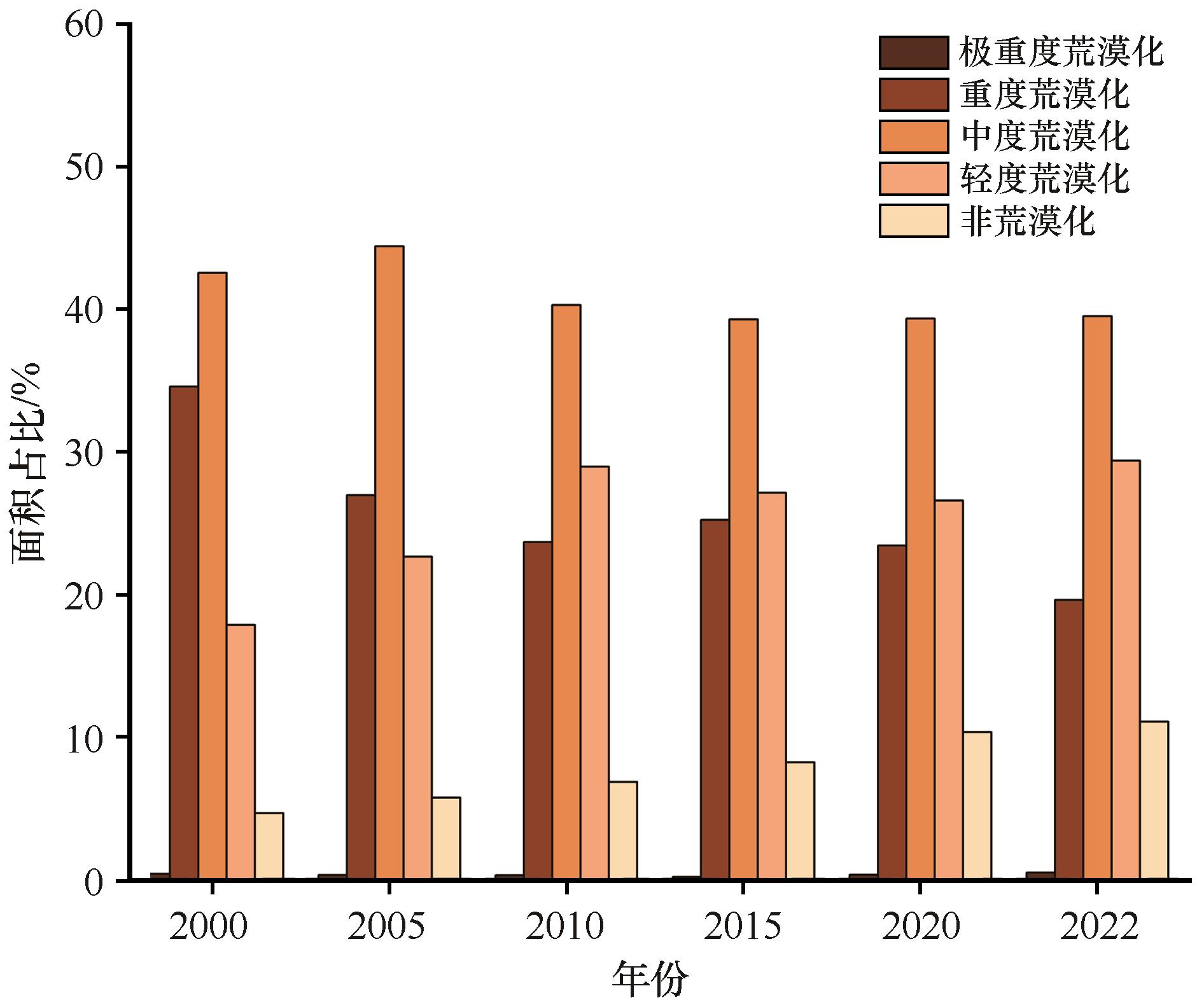
Fig.3 Proportion of each desertification type area in the Mu Us Desert from 2000 to 2022
| 类型 | 2000—2005年 | 2005—2010年 | 2010—2015年 | |||
|---|---|---|---|---|---|---|
| 面积变化/km² | 动态度/% | 面积变化/km² | 动态度/% | 面积变化/km² | 动态度/% | |
| 极重度 | -44.37 | -4.73 | -1.50 | -0.21 | -60.20 | -8.48 |
| 重度 | -3 681.40 | -4.41 | -1 588.29 | -2.44 | 749.73 | 1.31 |
| 中度 | 895.53 | 0.87 | -1 987.76 | -1.85 | -478.54 | -0.49 |
| 轻度 | 2 308.90 | 5.36 | 3 042.94 | 5.57 | -875.45 | -1.25 |
| 非荒漠化 | 521.33 | 4.64 | 534.61 | 3.87 | 664.46 | 4.03 |
| 类别 | 2015—2020年 | 2020—2022年 | 2000—2022年 | |||
| 面积变化/km² | 动态度/% | 面积变化/km² | 动态度/% | 面积变化/km² | 动态度/% | |
| 极重度 | 79.31 | 19.41 | 70.80 | 21.98 | 44.04 | 1.07 |
| 重度 | -864.80 | -1.42 | -1 847.33 | -8.17 | -7 232.10 | -1.97 |
| 中度 | 20.65 | 0.02 | 80.05 | 0.21 | -1 470.07 | -0.33 |
| 轻度 | -262.16 | -0.40 | 1 347.18 | 5.25 | 5 561.42 | 2.93 |
| 非荒漠化 | 1 027.00 | 5.18 | 349.30 | 3.50 | 3 096.71 | 6.27 |
Table 4 Dynamic changes of desertification land area in the Mu Us Desert
| 类型 | 2000—2005年 | 2005—2010年 | 2010—2015年 | |||
|---|---|---|---|---|---|---|
| 面积变化/km² | 动态度/% | 面积变化/km² | 动态度/% | 面积变化/km² | 动态度/% | |
| 极重度 | -44.37 | -4.73 | -1.50 | -0.21 | -60.20 | -8.48 |
| 重度 | -3 681.40 | -4.41 | -1 588.29 | -2.44 | 749.73 | 1.31 |
| 中度 | 895.53 | 0.87 | -1 987.76 | -1.85 | -478.54 | -0.49 |
| 轻度 | 2 308.90 | 5.36 | 3 042.94 | 5.57 | -875.45 | -1.25 |
| 非荒漠化 | 521.33 | 4.64 | 534.61 | 3.87 | 664.46 | 4.03 |
| 类别 | 2015—2020年 | 2020—2022年 | 2000—2022年 | |||
| 面积变化/km² | 动态度/% | 面积变化/km² | 动态度/% | 面积变化/km² | 动态度/% | |
| 极重度 | 79.31 | 19.41 | 70.80 | 21.98 | 44.04 | 1.07 |
| 重度 | -864.80 | -1.42 | -1 847.33 | -8.17 | -7 232.10 | -1.97 |
| 中度 | 20.65 | 0.02 | 80.05 | 0.21 | -1 470.07 | -0.33 |
| 轻度 | -262.16 | -0.40 | 1 347.18 | 5.25 | 5 561.42 | 2.93 |
| 非荒漠化 | 1 027.00 | 5.18 | 349.30 | 3.50 | 3 096.71 | 6.27 |

Fig.4 Changes of desertification land transfer in the Mu Us Desert from 2000 to 2022
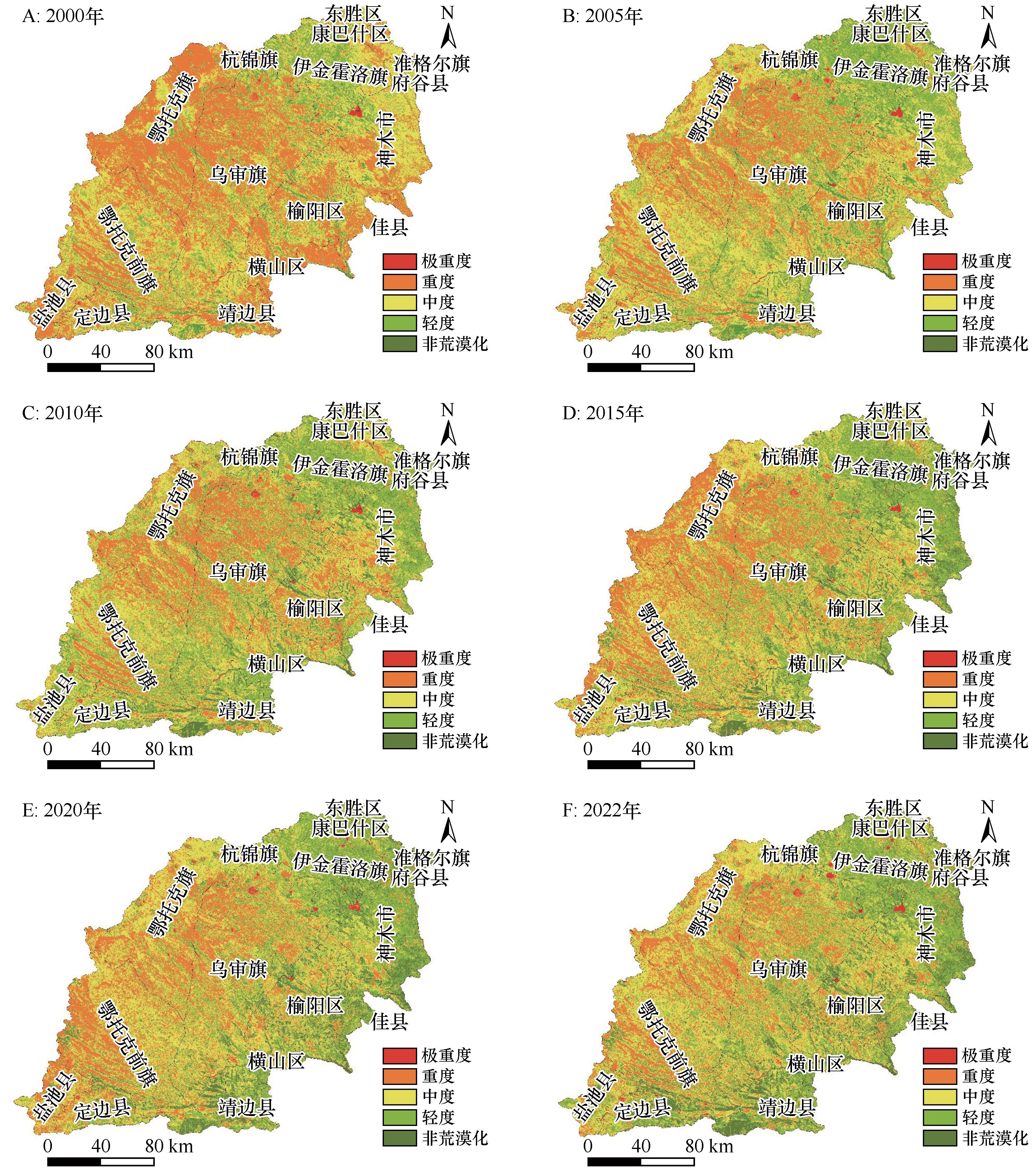
Fig.5 Spatiotemporal distribution of desertification in the Mu Us Desert from 2000 to 2022
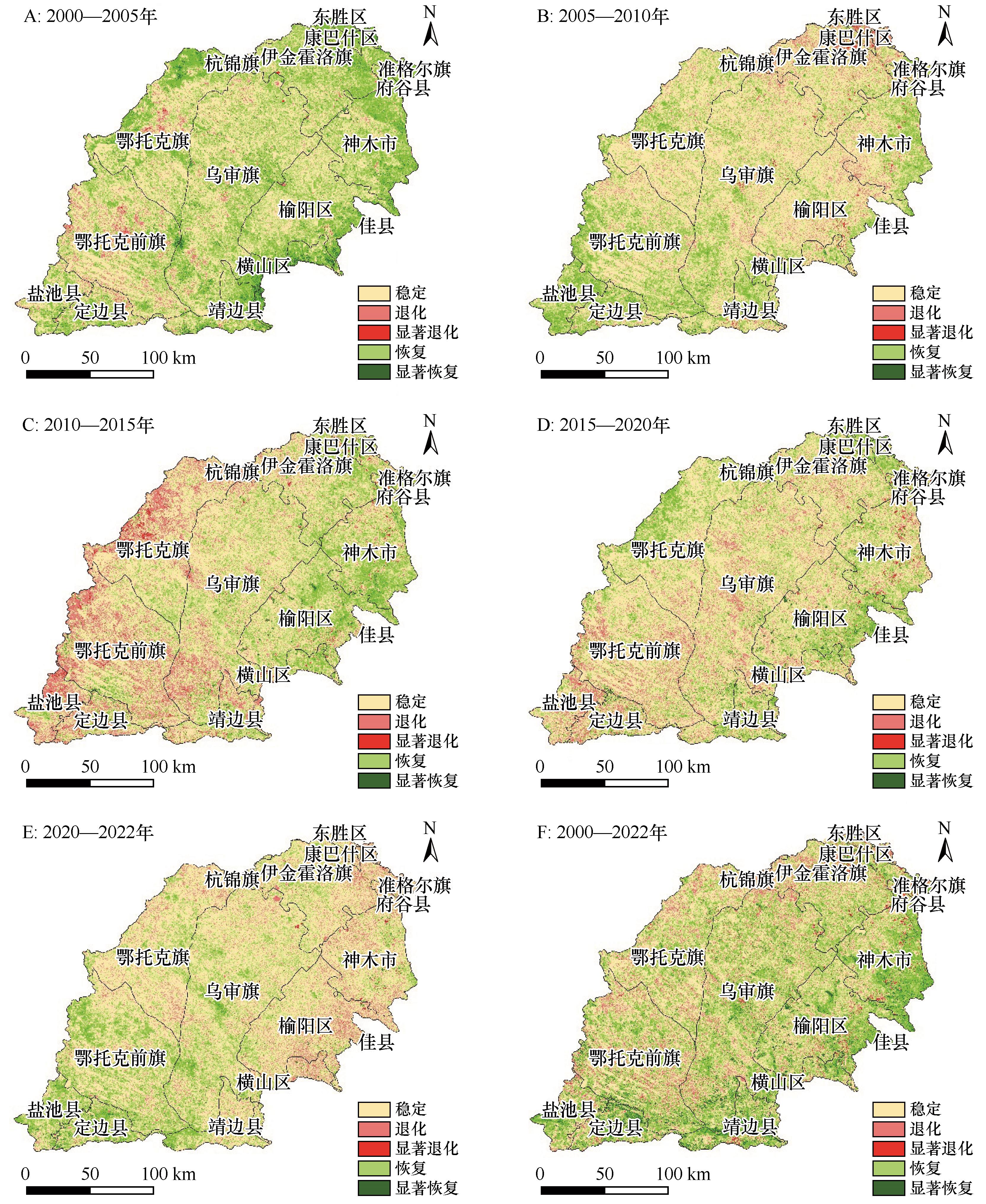
Fig.6 Desertification trends in the Mu Us Desert from 2000 to 2022
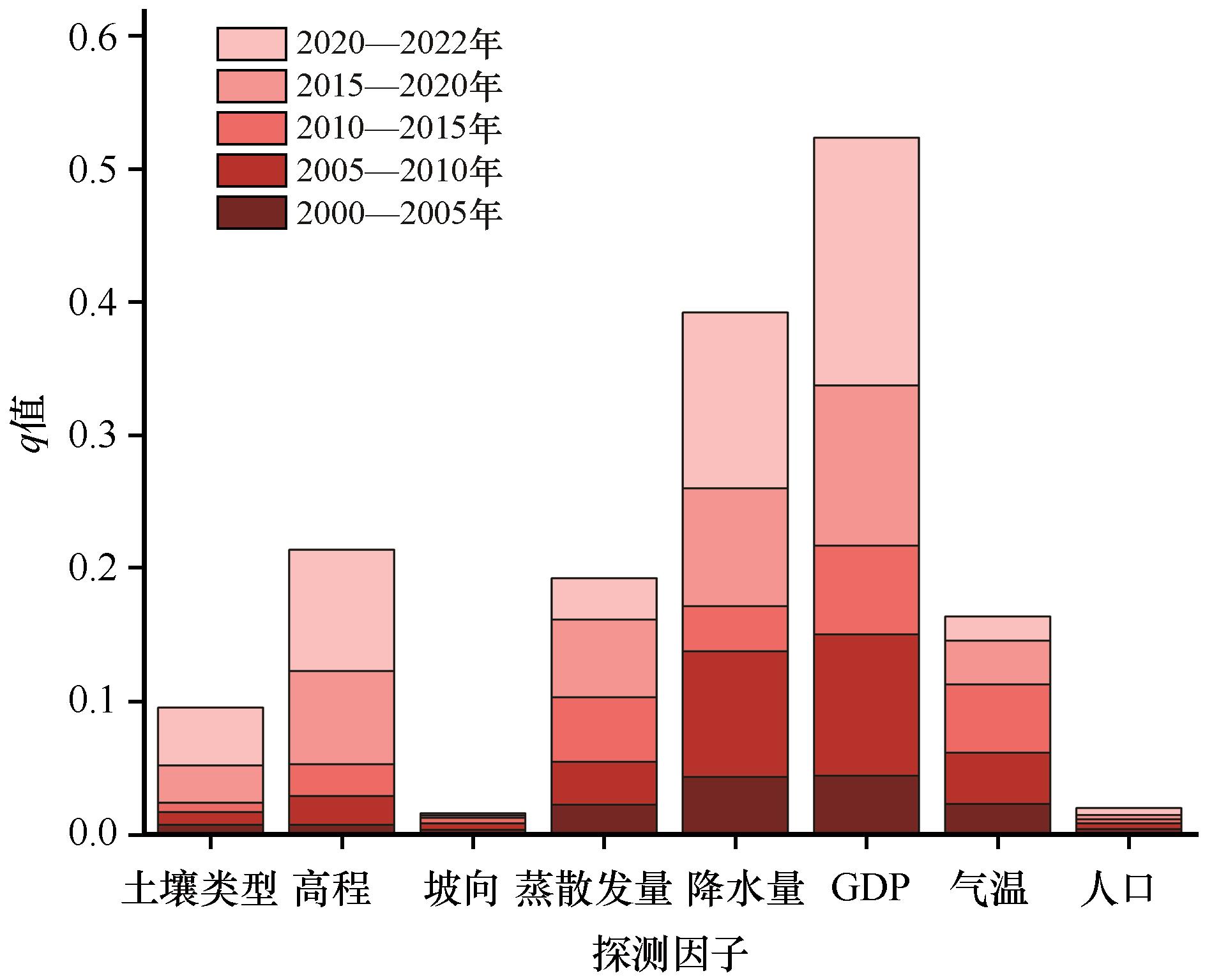
Fig.7 Single-factor detection of desertification in the Mu Us Desert from 2000 to 2022
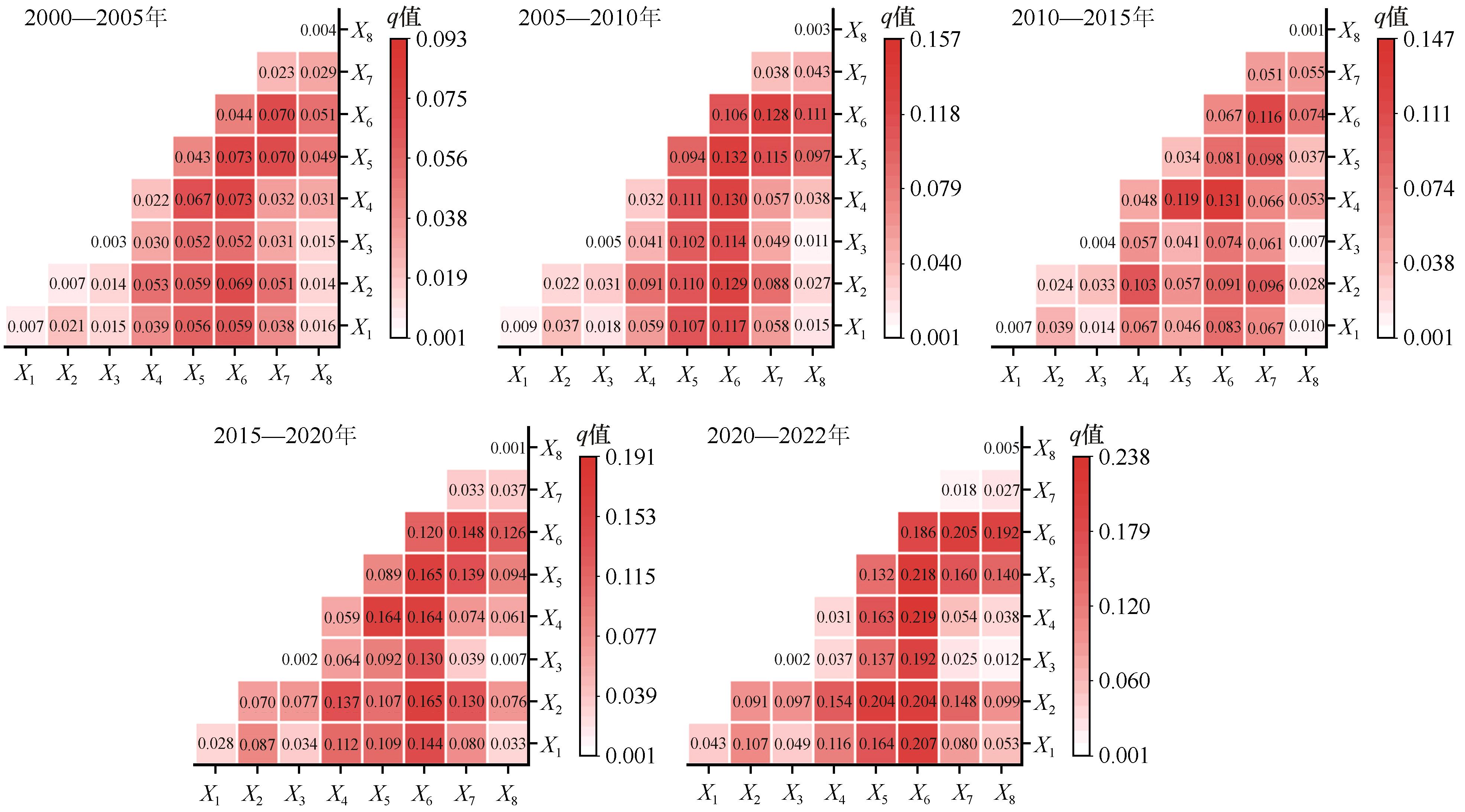
Fig.8 Interactive detection of desertification factors in the Mu Us Desert from 2000 to 2022
| 1 | 黄进.《环境管理建立防治土地退化和荒漠化良好实践的指南第1部分:良好实践框架》国际标准分析研究[J].标准科学,2020(5):81-86. |
| 2 | 陈宇佳,张俊,张平,等.面向联合国SDG15.3.1的2000~2020年京津冀地区土地退化评估[J].时空信息学报,2023,30(4):560-573. |
| 3 | 董光荣,申建友,金炯,等.关于“荒漠化”与“沙漠化”的概念[J].干旱区地理,1988(1):58-61. |
| 4 | 王涛,朱震达.中国沙漠化研究[J].中国生态农业学报,2001(2):11-16. |
| 5 | 屠志方,李梦先,孙涛.第五次全国荒漠化和沙化监测结果及分析[J].林业资源管理,2016(1):1-5. |
| 6 | 董光荣,高尚玉,金炯,等.青海共和盆地土地沙漠化及其防治[J].中国沙漠,1989,9(1):64-78. |
| 7 | 石建忠,陈翔舜,张龙生,等.甘肃省土地荒漠化状况及分析[J].环境科学学报,2006(9):1539-1544. |
| 8 | 王建宏,张龙生,尚立照.甘肃省沙漠化监测结果[J].中国沙漠,2005,25(5):775-779. |
| 9 | 王建华,李阳,梁树能,等.基于高光谱卫星数据的土地沙化识别及提取研究[J].华北地质,2022,45(4):60-67. |
| 10 | 段英杰,何政伟,诸丽娟,等.基于MODIS的西藏荒漠化动态监测研究[J].广西大学学报(自然科学版),2012,37(2):312-316. |
| 11 | Tomasella J, Silva P V R M, Barbosa A A,et al.Desertification trends in the Northeast of Brazil over the period 2000-2016[J].International Journal of Applied Earth Observation and Geoinformation,2018,73:197-206. |
| 12 | Zhou Y, Hu Z, Geng Q,et al.Monitoring and analysis of desertification surrounding Qinghai Lake (China) using remote sensing big data[J].Environmental Science and Pollution Research,2022,30(7):17420-17436. |
| 13 | 曾永年,向南平,冯兆东,等.Albedo-NDVI特征空间及沙漠化遥感监测指数研究[J].地理科学,2006(1):75-81. |
| 14 | Ma Z, Xie Y, Jiao J,et al.The Construction and Application of an Aledo-NDVI Based Desertification Monitoring Model[J].Procedia Environmental Sciences,2011,10:2029-2035. |
| 15 | Zhou W, Gang C, Zhou F,et al.Quantitative assessment of the individual contribution of climate and human factors to desertification in northwest China using net primary productivity as an indicator[J].Ecological Indicators,2015,48:560-569. |
| 16 | 赵鸿雁,颜长珍,李森,等.黄河流域2000-2020年土地沙漠化遥感监测及驱动力分析[J].中国沙漠,2023,43(3):127-137. |
| 17 | 魏伟,俞啸,张梦真,等.1995-2018年石羊河流域下游荒漠化动态变化[J].应用生态学报,2021,32(6):2098-2106. |
| 18 | 邹明亮,韩雅敏,曾建军,等.基于Albedo-NDVI特征空间的玛曲县荒漠化时空动态监测[J].冰川冻土,2019,41(1):45-53. |
| 19 | 游宇驰,李志威,黄草,等.1990-2016年若尔盖高原荒漠化时空变化分析[J].生态环境学报,2017,26(10):1671-1680. |
| 20 | 毋兆鹏,王明霞,赵晓.基于荒漠化差值指数(DDI)的精河流域荒漠化研究[J].水土保持通报,2014,34(4):188-192. |
| 21 | 闫峰,吴波,王艳姣.2000~2011年毛乌素沙地植被生长状况时空变化特征[J].地理科学,2013,33(5):602-608. |
| 22 | Wang X, Song J, Xiao Z,et al.Desertification in the Mu Us Sandy Land in China:response to climate change and human activity from 2000 to 2020[J].Geography and Sustainability,2022,3(2):177-189. |
| 23 | Li J, Zhao Y, Liu H,et al.Sandy desertification cycles in the southwestern Mu Us Desert in China over the past 80 years recorded based on nebkha sediments[J].Aeolian Research,2016,20:100-107. |
| 24 | Jia X, Fu B, Feng X,et al.The tradeoff and synergy between ecosystem services in the Grain-for-Green areas in Northern Shaanxi,China[J].Ecological Indicators,2014,43:103-113. |
| 25 | Zheng Y, Dong L, Xia Q,et al.Effects of revegetation on climate in the Mu Us Sandy Land of China[J].Science of The Total Environment,2020,739:139958. |
| 26 | Sun Z, Mao Z, Yang L,et al.Impacts of climate change and afforestation on vegetation dynamic in the Mu Us Desert,China[J].Ecological Indicators,2021,129:108020. |
| 27 | 刘庆福.毛乌素沙地沙漠化演变、飞播恢复评估及其对生态系统服务的影响[D].呼和浩特:内蒙古大学,2020. |
| 28 | 杨斐,鹿化煜,吴会娟,等.毛乌素沙地年均水蚀量估算[J].地理学报,2024,79(3):635-653. |
| 29 | 雷金银,吴发启,马璠,等.毛乌素沙地土壤风蚀的气候因子分析[J].水土保持研究,2007(2):104-105. |
| 30 | 贺帅,张成福,洪光宇,等.毛乌素沙地土壤水分研究进展[J].北方园艺,2020(10):138-144. |
| 31 | 王翠萍,韩小红,王昊琛,等.1982-2020年毛乌素沙地植被对气候变化的响应[J].林业资源管理,2023(3):80-89. |
| 32 | 徐新良.中国人口空间分布公里网格数据集[DS].中国科学院资源环境科学数据中心数据注册与出版系统(http://www.resdc.cn/DOI),2017. |
| 33 | Duan H, Wang T, Xue X,et al.Dynamic monitoring of aeolian desertification based on multiple indicators in Horqin Sandy Land,China[J].Science of The Total Environment,2019,650:2374-2388. |
| 34 | 胡海涛.贵州省2001-2020年地表反照率重建及时空演变与影响因素分析[D].贵州:贵州师范大学,2023. |
| 35 | Liang S.Narrowband to broadband conversions of land surface albedo I:algorithms[J].Remote Sensing of Environment,2001,76(2):213-238. |
| 36 | Liang S, Shue Y C J, Russ A L,et al.Narrowband to broadband conversions of land surface albedo:II.validation[J].Remote Sensing of Environment,2003,84(1):25-41. |
| 37 | Verstraete M M, Pinty B.Designing optimal spectral indexes for remote sensing applications[J].IEEE Transactions on Geoscience and Remote Sensing,1996,34(5):1254-1265. |
| 38 | 李乃强,徐贵阳.基于自然间断点分级法的土地利用数据网格化分析[J].测绘通报,2020(4):106-110. |
| 39 | 裴亮,陈晨,戴激光,等.基于马尔科夫模型的大凌河流域土地利用/覆被变化趋势研究[J].土壤通报,2017,48(3):525-531. |
| 40 | 王劲峰,徐成东.地理探测器:原理与展望[J].地理学报,2017,72(1):116-134. |
| 41 | Lin M, Hou L, Qi Z,et al.Impacts of climate change and human activities on vegetation NDVI in China's Mu Us Sandy Land during 2000-2019[J].Ecological Indicators,2022,142:109164. |
| 42 | 柏菊,闫峰.2001-2012年毛乌素沙地荒漠化过程及驱动力研究[J].南京师大学报(自然科学版),2016,39(1):132-138. |
| 43 | 闫峰,吴波.近40 a毛乌素沙地荒漠化过程研究[J].干旱区地理,2013,36(6):987-996. |
| 44 | 廉泓林,韩雪莹,刘雅莉,等.基于标准化降水蒸散指数(SPEI)的毛乌素沙地1981-2020年干旱特征研究[J].中国沙漠,2022,42(4):71-80. |
| 45 | 洪光宇,王晓江,苏庆溥,等.毛乌素沙地流动沙丘土壤水分模拟及渗漏特征[J].中国沙漠,2023,43(2):288-298. |
| 46 | Liu Q, Zhang Q, Yan Y,et al.Ecological restoration is the dominant driver of the recent reversal of desertification in the Mu Us Desert (China)[J].Journal of Cleaner Production,2020,268:122241. |
| 47 | Ren X, Dong Z, Hu G,et al.A GIS-Based assessment of vulnerability to aeolian desertification in the source areas of the Yangtze and Yellow Rivers[J].Remote Sensing,2016,8(8):626. |
| 48 | Hu Y, Han Y, Zhang Y.Land desertification and its influencing factors in Kazakhstan[J].Journal of Arid Environments,2020,180:104203. |
| 49 | D'odorico P, Bhattachan A, Davis K F,et al.Global desertification:drivers and feedbacks[J].Advances in Water Resources,2013,51:326-344. |
| 50 | 李晓岚.毛乌素沙地沙漠化逆转过程及成因分析[D].西安:陕西师范大学,2017. |
| Viewed | ||||||
|
Full text |
|
|||||
|
Abstract |
|
|||||
Address: No. 8, Tianshui Middle Road, Chengguan District, Lanzhou City, Gansu Province, China (Postcode: 730000)
Tel:0931-8267545
Email:caiedit@lzb.ac.cn;desert@lzb.ac.cn
Support:Magtech
