
- CN 62-1070/P
- ISSN 1000-694X
- Bimonthly 1981
Journal of Desert Research ›› 2026, Vol. 46 ›› Issue (4): 398-410.DOI: 10.7522/j.issn.1000-694X.2026.00128
Yubin Wu( ), Wenqian Gao, Lisha Jiang()
Received:2026-06-18
Revised:2026-07-10
Online:2026-07-20
Published:2026-08-27
Contact:
Lisha Jiang
CLC Number:
Yubin Wu, Wenqian Gao, Lisha Jiang. Level measurement, spatiotemporal evolution, and configuration path of urban ecological resilience in the cold and arid regions of northwest China[J]. Journal of Desert Research, 2026, 46(4): 398-410.
Add to citation manager EndNote|Ris|BibTeX
URL: http://www.desert.ac.cn/EN/10.7522/j.issn.1000-694X.2026.00128
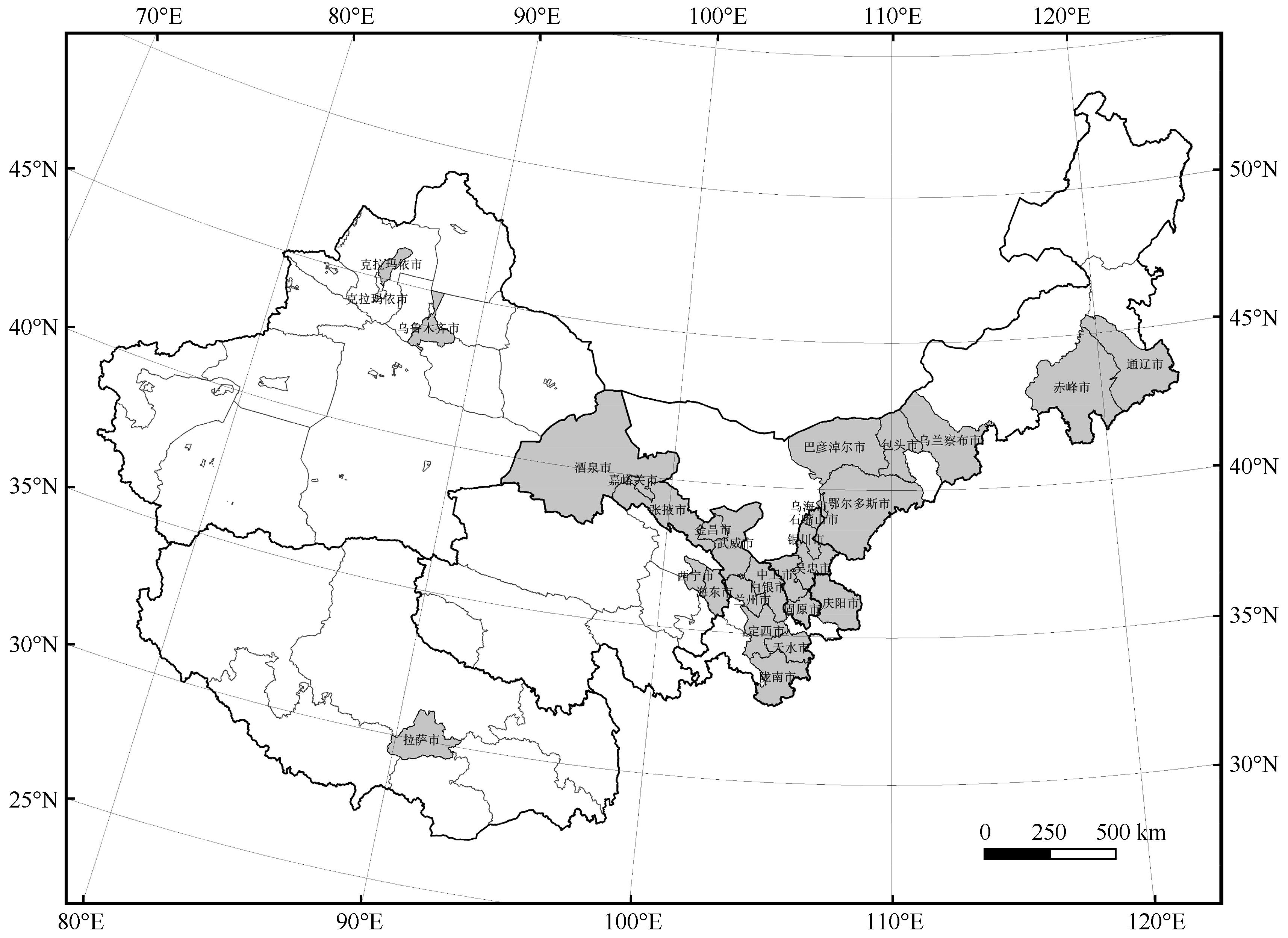
Fig.1 Research scope of the cold and arid regions of northwest China
| 一级指标 | 二级指标 | 指标属性 | 权重 |
|---|---|---|---|
| 抵抗力 | 人均水资源拥有量 | + | 0.6295 |
| 建成区绿化覆盖率 | + | 0.0167 | |
| 人均公园绿地面积(市辖区) | + | 0.0875 | |
| 人均建成区面积(市辖区) | + | 0.2664 | |
| 适应力 | 人均工业废水排放量 | - | 0.2099 |
| 人均工业二氧化硫排放量 | - | 0.2712 | |
| 人均氮氧化物排放量 | - | 0.2284 | |
| 人均工业烟尘排放量 | - | 0.2905 | |
| 恢复力 | 生活垃圾无害化处理率 | + | 0.0197 |
| 污水处理厂集中处理率 | + | 0.0358 | |
| 一般工业固体废物综合利用率 | + | 0.3704 | |
| 政府环保支出占一般财政支出比例 | + | 0.5715 |
Table 1 Urban ecological resilience evaluation index system
| 一级指标 | 二级指标 | 指标属性 | 权重 |
|---|---|---|---|
| 抵抗力 | 人均水资源拥有量 | + | 0.6295 |
| 建成区绿化覆盖率 | + | 0.0167 | |
| 人均公园绿地面积(市辖区) | + | 0.0875 | |
| 人均建成区面积(市辖区) | + | 0.2664 | |
| 适应力 | 人均工业废水排放量 | - | 0.2099 |
| 人均工业二氧化硫排放量 | - | 0.2712 | |
| 人均氮氧化物排放量 | - | 0.2284 | |
| 人均工业烟尘排放量 | - | 0.2905 | |
| 恢复力 | 生活垃圾无害化处理率 | + | 0.0197 |
| 污水处理厂集中处理率 | + | 0.0358 | |
| 一般工业固体废物综合利用率 | + | 0.3704 | |
| 政府环保支出占一般财政支出比例 | + | 0.5715 |
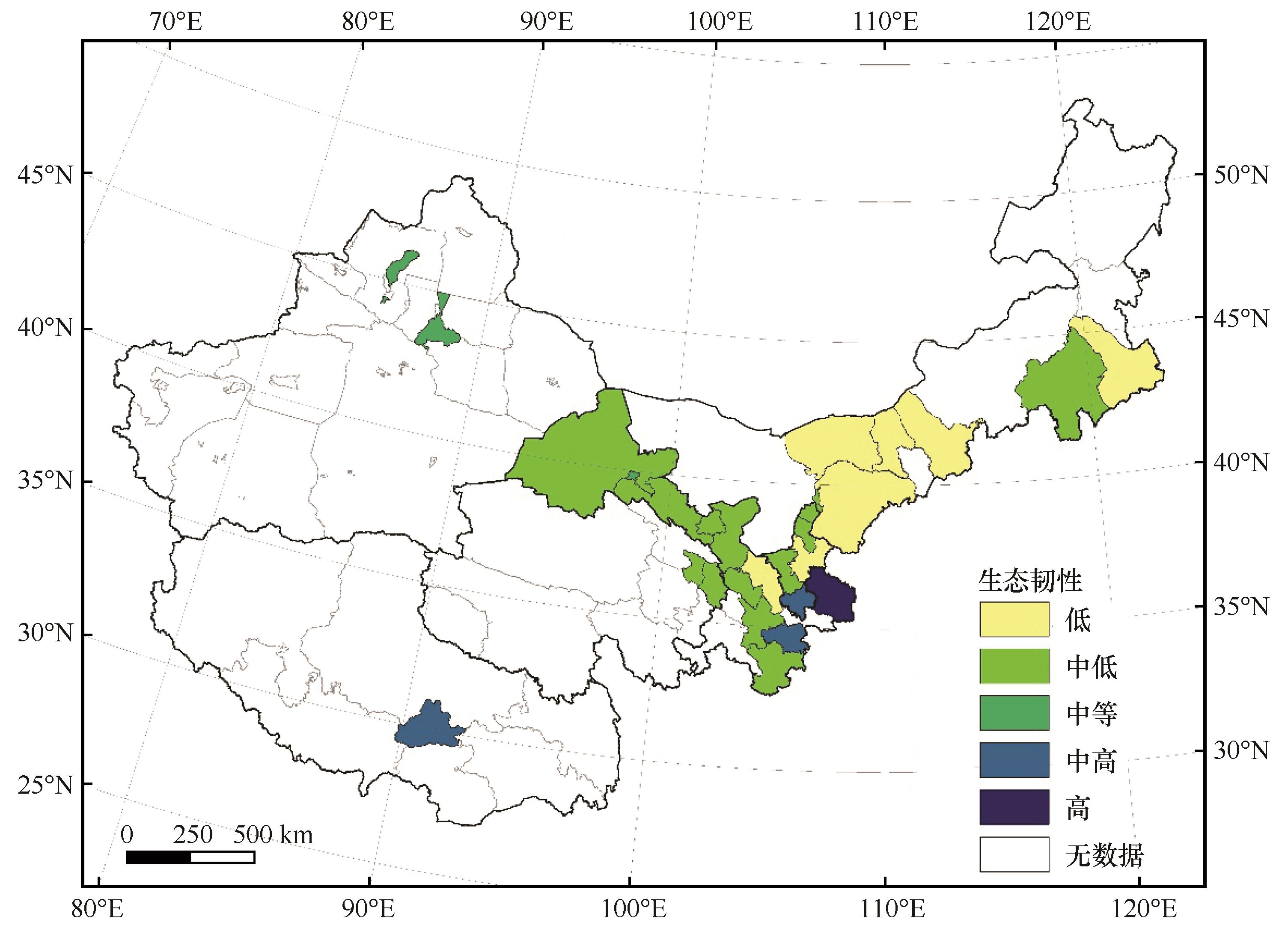
Fig.2 Spatial pattern of ecological resilience in the cold and arid regions of northwest China, 2024
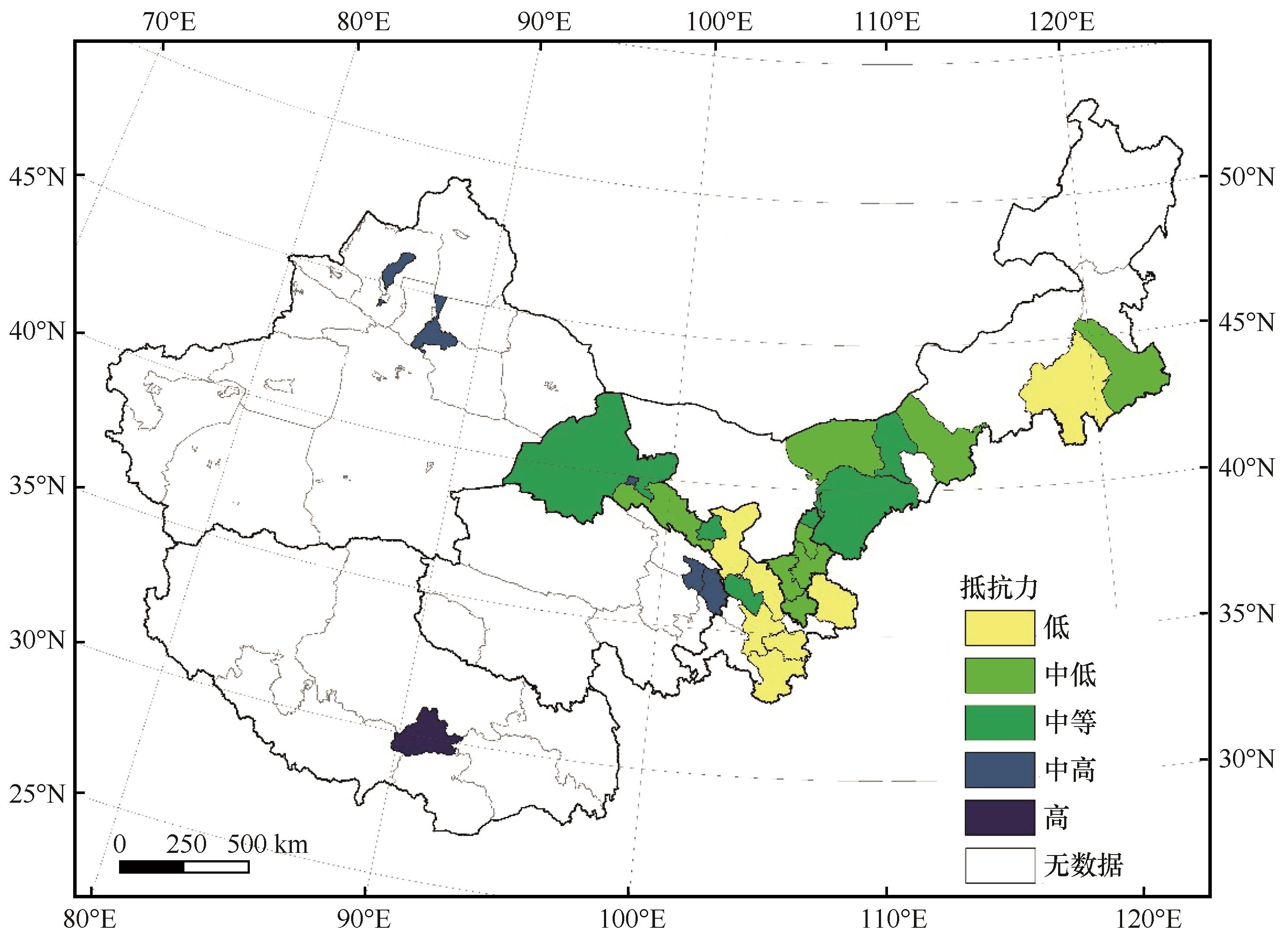
Fig.3 Spatial pattern of resistance capacity in cold and arid regions of northwest China, 2024
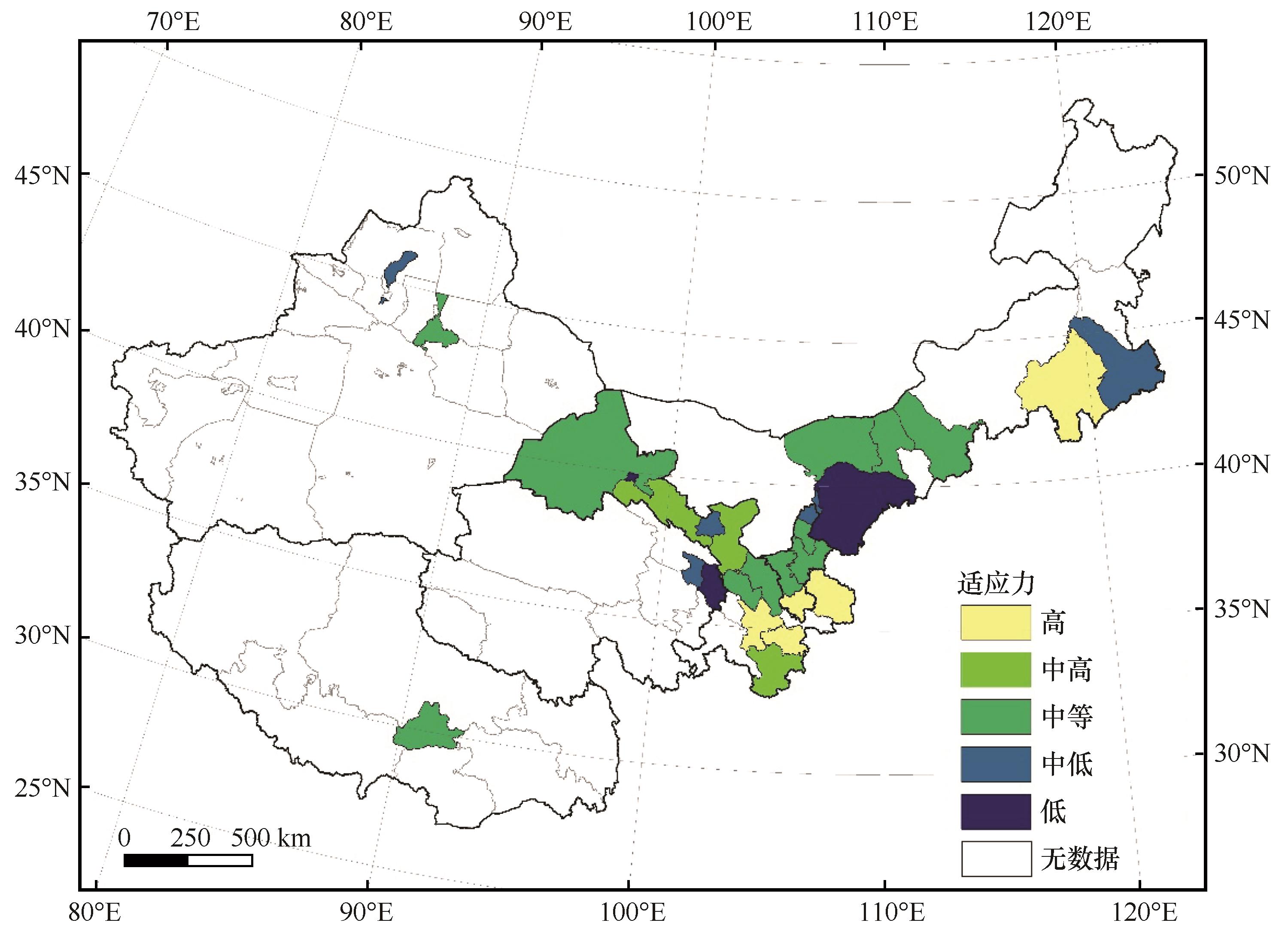
Fig.4 Spatial pattern of adaptability capacity in cold and arid regions of northwest China, 2024
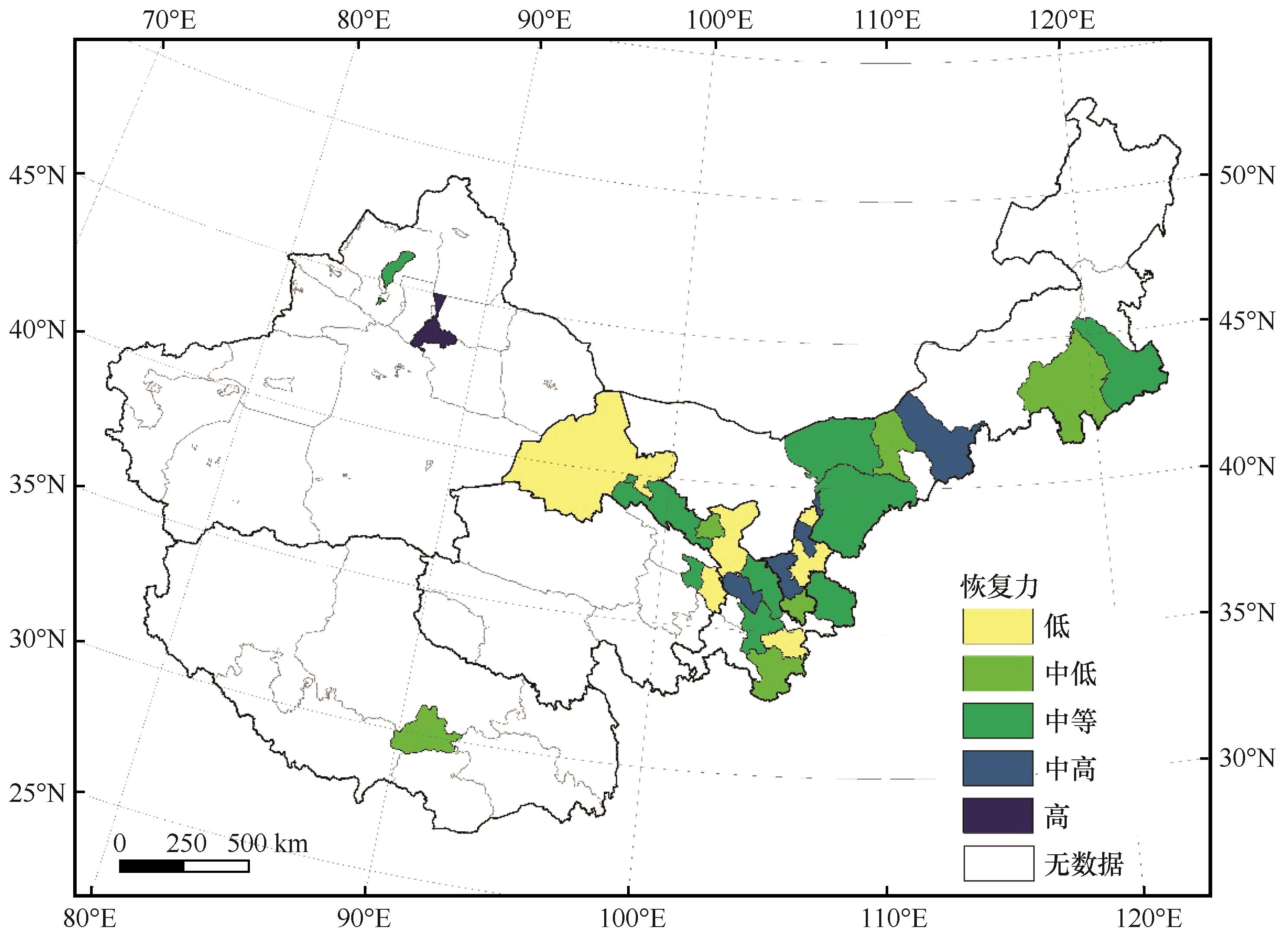
Fig.5 Spatial pattern of recovery capacity in cold and arid regions of northwest China, 2024
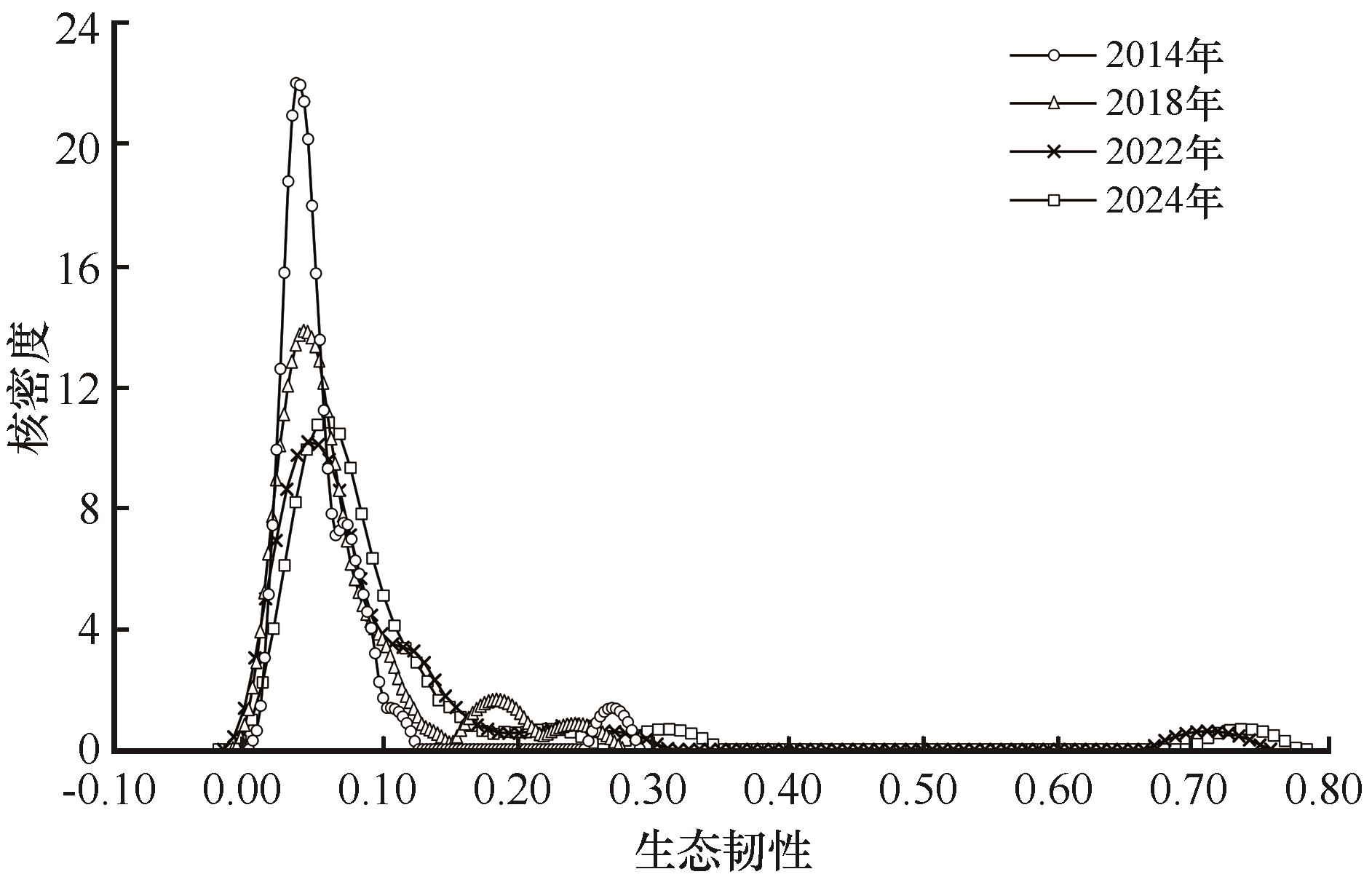
Fig.6 Core density curve of urban ecological resilience in the cold and arid regions of northwest China
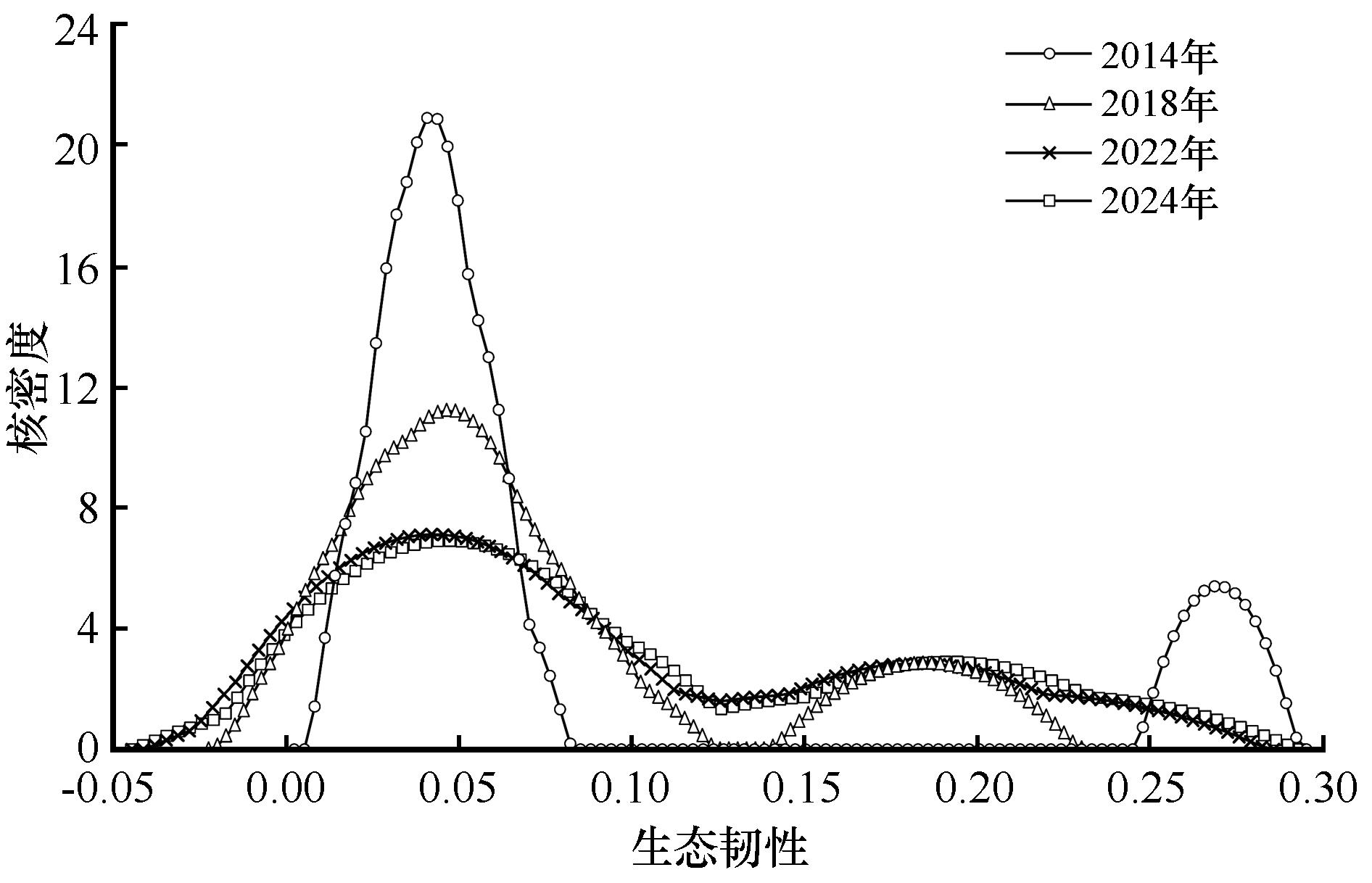
Fig.7 Ecological resilience core density curve in the cold and arid regions of northwest China with strong sunshine
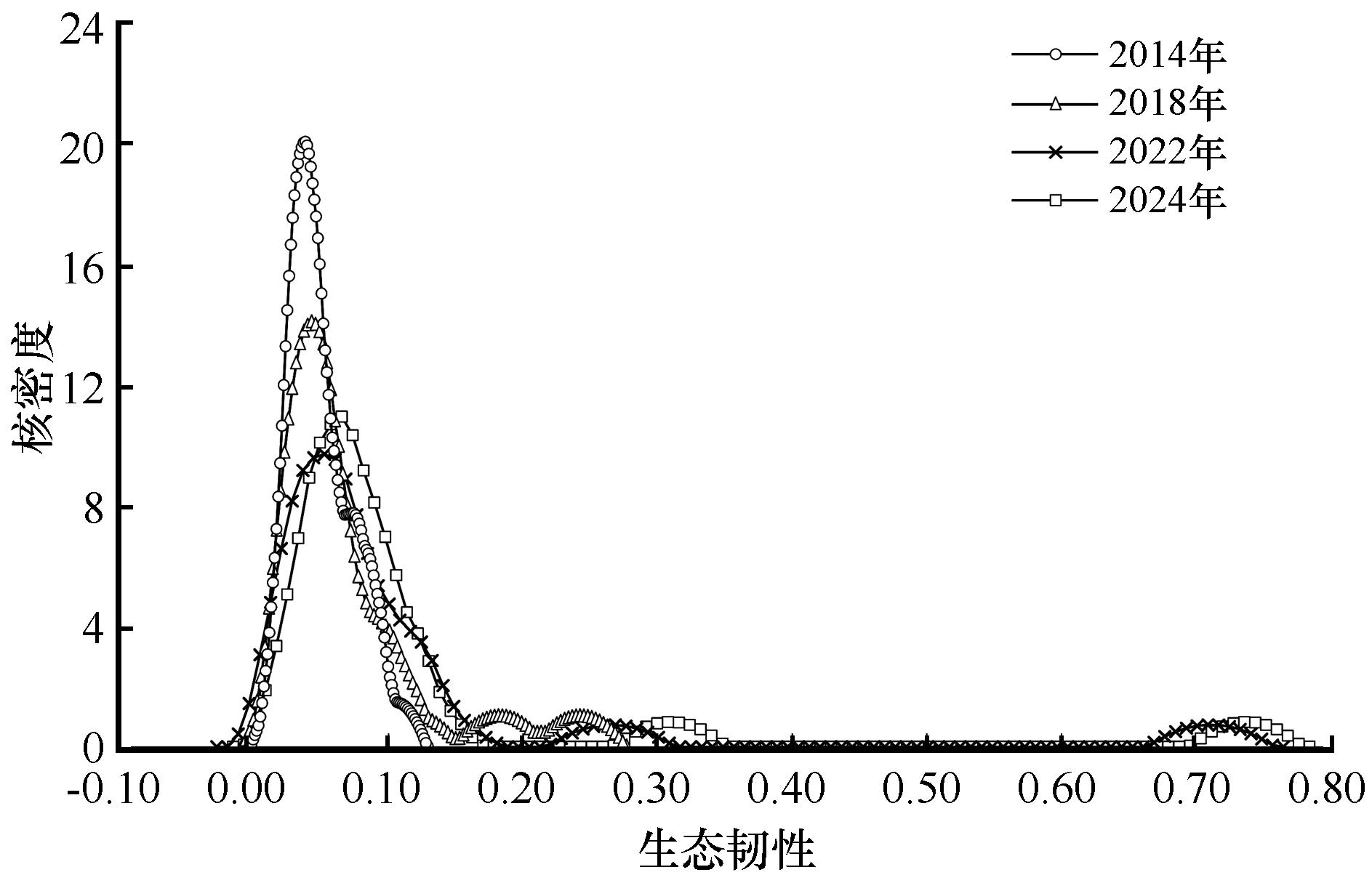
Fig.8 Ecological resilience core density curve in the cold and arid regions of northwest China with weak sunshine
| 变量 | 完全隶属点 | 交叉点 | 完全不隶属点 |
|---|---|---|---|
| 西北寒旱区城市生态韧性(UER) | 0.1479 | 0.0495 | 0.0291 |
| 社会诉求(SD) | 22.2918 | 2.9685 | 0.4685 |
| 技术创新(TI) | 326.2 | 72 | 10 |
| 财政约束(FC) | 9.4034 | 4.3681 | 1.3603 |
| 环境规制(ER) | 0.0048 | 0.0033 | 0.0020 |
| 生态本底(EB) | 0.3826 | 0.2126 | 0.1205 |
Table 2 Calibration anchor points of condition variables
| 变量 | 完全隶属点 | 交叉点 | 完全不隶属点 |
|---|---|---|---|
| 西北寒旱区城市生态韧性(UER) | 0.1479 | 0.0495 | 0.0291 |
| 社会诉求(SD) | 22.2918 | 2.9685 | 0.4685 |
| 技术创新(TI) | 326.2 | 72 | 10 |
| 财政约束(FC) | 9.4034 | 4.3681 | 1.3603 |
| 环境规制(ER) | 0.0048 | 0.0033 | 0.0020 |
| 生态本底(EB) | 0.3826 | 0.2126 | 0.1205 |
| 前因条件 | 变量解释 | 高生态韧性(UER) | |
|---|---|---|---|
| 一致性 | 覆盖度 | ||
| SD | 高社会诉求 | 0.5333 | 0.5618 |
| ~SD | 低社会诉求 | 0.7050 | 0.6071 |
| TI | 高技术创新 | 0.5637 | 0.5991 |
| ~TI | 低技术创新 | 0.6906 | 0.5905 |
| FC | 高财政约束 | 0.5601 | 0.5749 |
| ~FC | 低财政约束 | 0.6672 | 0.5872 |
| ER | 高环境规制 | 0.5579 | 0.5403 |
| ~ER | 低环境规制 | 0.6866 | 0.6369 |
| EB | 高生态本底 | 0.6777 | 0.6173 |
| ~EB | 低生态本底 | 0.6048 | 0.5972 |
Table 3 Necessity test results of a single condition variable
| 前因条件 | 变量解释 | 高生态韧性(UER) | |
|---|---|---|---|
| 一致性 | 覆盖度 | ||
| SD | 高社会诉求 | 0.5333 | 0.5618 |
| ~SD | 低社会诉求 | 0.7050 | 0.6071 |
| TI | 高技术创新 | 0.5637 | 0.5991 |
| ~TI | 低技术创新 | 0.6906 | 0.5905 |
| FC | 高财政约束 | 0.5601 | 0.5749 |
| ~FC | 低财政约束 | 0.6672 | 0.5872 |
| ER | 高环境规制 | 0.5579 | 0.5403 |
| ~ER | 低环境规制 | 0.6866 | 0.6369 |
| EB | 高生态本底 | 0.6777 | 0.6173 |
| ~EB | 低生态本底 | 0.6048 | 0.5972 |
| 前因条件 | 1-A | 1-B | 2 | 3-A | 3-B | 4 |
|---|---|---|---|---|---|---|
| 社会诉求(SD) | ⮾ | ● | ● | |||
| 技术创新 | ● | |||||
| 财政约束(FC) | ⮾ | ⮾ | ● | |||
| 环境规制(ER) | ⮾ | ● | ● | |||
| 生态本底(EB) | ⮾ | ● | ● | |||
| 原始覆盖度 | 0.5019 | 0.5449 | 0.4104 | 0.4040 | 0.3658 | 0.3194 |
| 唯一覆盖度 | 0.0209 | 0.0280 | 0.0154 | 0.0306 | 0.0083 | 0.0485 |
| 一致性 | 0.7125 | 0.6916 | 0.7500 | 0.6361 | 0.6216 | 0.6863 |
| 总体解的一致性 | 0.5970 | |||||
| 总体解的覆盖度 | 0.8408 | |||||
Table 4 Configuration path with high ecological resilience
| 前因条件 | 1-A | 1-B | 2 | 3-A | 3-B | 4 |
|---|---|---|---|---|---|---|
| 社会诉求(SD) | ⮾ | ● | ● | |||
| 技术创新 | ● | |||||
| 财政约束(FC) | ⮾ | ⮾ | ● | |||
| 环境规制(ER) | ⮾ | ● | ● | |||
| 生态本底(EB) | ⮾ | ● | ● | |||
| 原始覆盖度 | 0.5019 | 0.5449 | 0.4104 | 0.4040 | 0.3658 | 0.3194 |
| 唯一覆盖度 | 0.0209 | 0.0280 | 0.0154 | 0.0306 | 0.0083 | 0.0485 |
| 一致性 | 0.7125 | 0.6916 | 0.7500 | 0.6361 | 0.6216 | 0.6863 |
| 总体解的一致性 | 0.5970 | |||||
| 总体解的覆盖度 | 0.8408 | |||||
| [1] | 王宇昕,赵文智,刘鹄.生态系统突变及其在寒旱区生态系统管理中的应用展望[J].应用生态学报,2024,35(7):1997-2005. |
| [2] | 吴玉彬,何非洋,王永瑜,等.基于冰冻圈背景的中国西部五省(区)旅游生态效率测度及其影响因素分析[J].冰川冻土,2024,46(1):325-334. |
| [3] | 李晴,李曌,丁森,等.湟水河着生藻类群落结构特征及影响因子分析[J].环境科学与技术,2024,47(1):43-51. |
| [4] | 王松茂,牛金兰.黄河流域城市生态韧性时空演变及其影响因素[J].生态学报,2023,43(20):8309-8320. |
| [5] | 王文慧,钟业喜,马宏智,等.鄱阳湖水陆交错带生态韧性时空变化及影响因素[J].生态学报,2023,43(22):9514-9526. |
| [6] | 张明斗,任衍婷,周亮.黄河流域城市生态韧性时空演变特征及影响因素分析[J].干旱区地理,2024,47(3):445-454. |
| [7] | 刘志华,袁帅,张家乐,等.中国生态环境韧性综合测度、空间分异与影响效应[J].环境科学,2026,47(7):4810-4822. |
| [8] | 陶洁怡,董平,陆玉麒.长三角地区生态韧性时空变化及影响因素分析[J].长江流域资源与环境,2022,31(9):1975-1987. |
| [9] | 鲁方圆,张郴,贾添羽,等.长江经济带城市生态韧性时空演化特征及其驱动机制[J].环境科学,2025,46(7):4592-4601. |
| [10] | 李斌,陈伽倻,潘捷,等.山地城市生态韧性空间特征及其影响因素:以重庆市为例[J].环境科学,2026,47 (7):4836-4845. |
| [11] | 李亚赧,杨亮洁,李雪婷.基于“抵抗力-适应力-恢复力”模型的河西走廊城市生态韧性评价[J].生态学杂志,2025,44(10):3227-3238. |
| [12] | 韩燕,崔馨方.基于XGBoost-SHAP模型的黄河流域生态韧性时空格局及影响因素分析[J/OL].环境科学,1-22(2026-03-06)[2026-07-06].. |
| [13] | 程莉,黄兰稀,严月岑,等.长江经济带乡村生态韧性测度及影响因素研究[J].中国农业资源与区划,2024,45(5):11-23. |
| [14] | 李德,刘百桥,孟伟庆,等.基于多维数据的环渤海海岸带地区生态韧性评价及其尺度依赖性分析[J].生态学杂志,2025,44(3):1038-1047. |
| [15] | Francis R, Bekera B.A metric and frameworks for resilience analysis of engineered and infrastructure systems[J].Reliability Engineering & System Safety,2014,121:90-103. |
| [16] | Kong X, Xu B, Orr J A,et al.Ecosystems have multiple interacting processes that buffer against co-occurring stressors[J].Trends in Ecology & Evolution,2025,40(5):479-488. |
| [17] | Wu T, Liu Y, Chen L,et al.Human pressure and biodiversity modify forest resilience after extreme multi-year droughts[J].Nature Ecology & Evolution,2026,10(5):880-892. |
| [18] | 丁煜莹,杨习铭.河南省城市韧性评价及障碍因子诊断分析[J].兰州财经大学学报,2021,37(5):109-123. |
| [19] | 楚尔鸣,孙红果,李逸飞.智慧城市建设对生态环境韧性的影响研究[J].管理学刊,2023,36(6):21-37. |
| [20] | 谭海波,范梓腾,杜运周.技术管理能力、注意力分配与地方政府网站建设:一项基于TOE框架的组态分析[J].管理世界,2019,35(9):81-94. |
| [21] | 卢春天,卫子昊,范丽娟.长三角地区公众环保评价的变迁趋势:基于年龄-时期-世代效应的研究[J].苏州大学学报(哲学社会科学版),2025,46(6):42-52. |
| [22] | 祁毓,杨春飞,陈诗一.绿色转型发展中的财政激励与协同治理:来自“山水工程”试点的证据[J].经济研究,2024,59(10):132-150. |
| [23] | Zhou Y, Wu N, Zhang C,et al.How green technological innovation shapes urban ecological resilience:structural,governance,and fiscal pathways in the Yangtze River Economic Belt[J].Journal of Cleaner Production,2026,543:147607. |
| [24] | 金华丽,杨骞.现代农业产业园建设对农业新业态创业活动的影响研究:基于产业集聚视角的经验分析[J].财贸研究,2026,37(2):84-100. |
| [25] | Lan C, Li X, Peng B,et al.Unlocking urban ecological resilience:the dual role of environmental regulation and green technology innovation[J].Sustainable Cities and Society,2025,128:106466. |
| [26] | 李军.失业保险稳岗返还如何影响企业用工:基于成本与流动性双重视角[J].经济与管理,2026,40(2):63-73. |
| [27] | Xiao Y, Xiao C, Li L,et al.Impact mechanism of environmental regulation on regional ecological security:mediation based on ecological environment quality[J].Clean Technologies and Environmental Policy,2026,28(6):1-21. |
| [28] | 邓慧慧,杨露鑫.雾霾治理、地方竞争与工业绿色转型[J].中国工业经济,2019(10):118-136. |
| [29] | 徐光华,杨俊杰,李国庆.生态稳定性概念的理论重构:对抵抗力、耐受力和恢复力的界定[J].生态学报,2026,46(4):2149-2162. |
| [30] | 李涛,郑华,王宽,等.生态系统质量变化及生态系统生产总值响应研究:以浙江省德清县为例[J].经济地理,2025,45(4):123-132. |
| [31] | 吴玉彬,李晓冬.“双循环”发展水平的地区差异及空间收敛性研究:基于马克思主义政治经济学视角[J].哈尔滨工业大学学报(社会科学版),2024,26(4):142-151. |
| [32] | 张明,杜运周.组织与管理研究中QCA方法的应用:定位、策略和方向[J].管理学报,2019,16(9):1312-1323. |
| [33] | 陈元,贺小刚.何种公司治理促进了家族企业新质生产力:研发联盟中介下的组态分析[J].外国经济与管理,2025,47(12):59-78. |
| Viewed | ||||||
|
Full text |
|
|||||
|
Abstract |
|
|||||
©2018Journal of Desert Research
Tel:0931-8267545
Email:caiedit@lzb.ac.cn;desert@lzb.ac.cn
Support:Magtech
