
- CN 62-1070/P
- ISSN 1000-694X
- Bimonthly 1981
Journal of Desert Research ›› 2026, Vol. 46 ›› Issue (2): 288-300.DOI: 10.7522/j.issn.1000-694X.2025.00257
Yuanyuan Ma1,2( ), Dengke Ma1,2, Yifan Yue3, Wenrong Kang1,2, Hu Liu1, Guoying Zhou4, Wenzhi Zhao1()
Received:2025-08-25
Revised:2025-10-21
Online:2026-03-20
Published:2026-04-13
Contact:
Wenzhi Zhao
CLC Number:
Yuanyuan Ma, Dengke Ma, Yifan Yue, Wenrong Kang, Hu Liu, Guoying Zhou, Wenzhi Zhao. Spatiotemporal changes and driving mechanisms of vegetation in the sandy areas of Qinghai Province in 2000-2024[J]. Journal of Desert Research, 2026, 46(2): 288-300.
Add to citation manager EndNote|Ris|BibTeX
URL: http://www.desert.ac.cn/EN/10.7522/j.issn.1000-694X.2025.00257
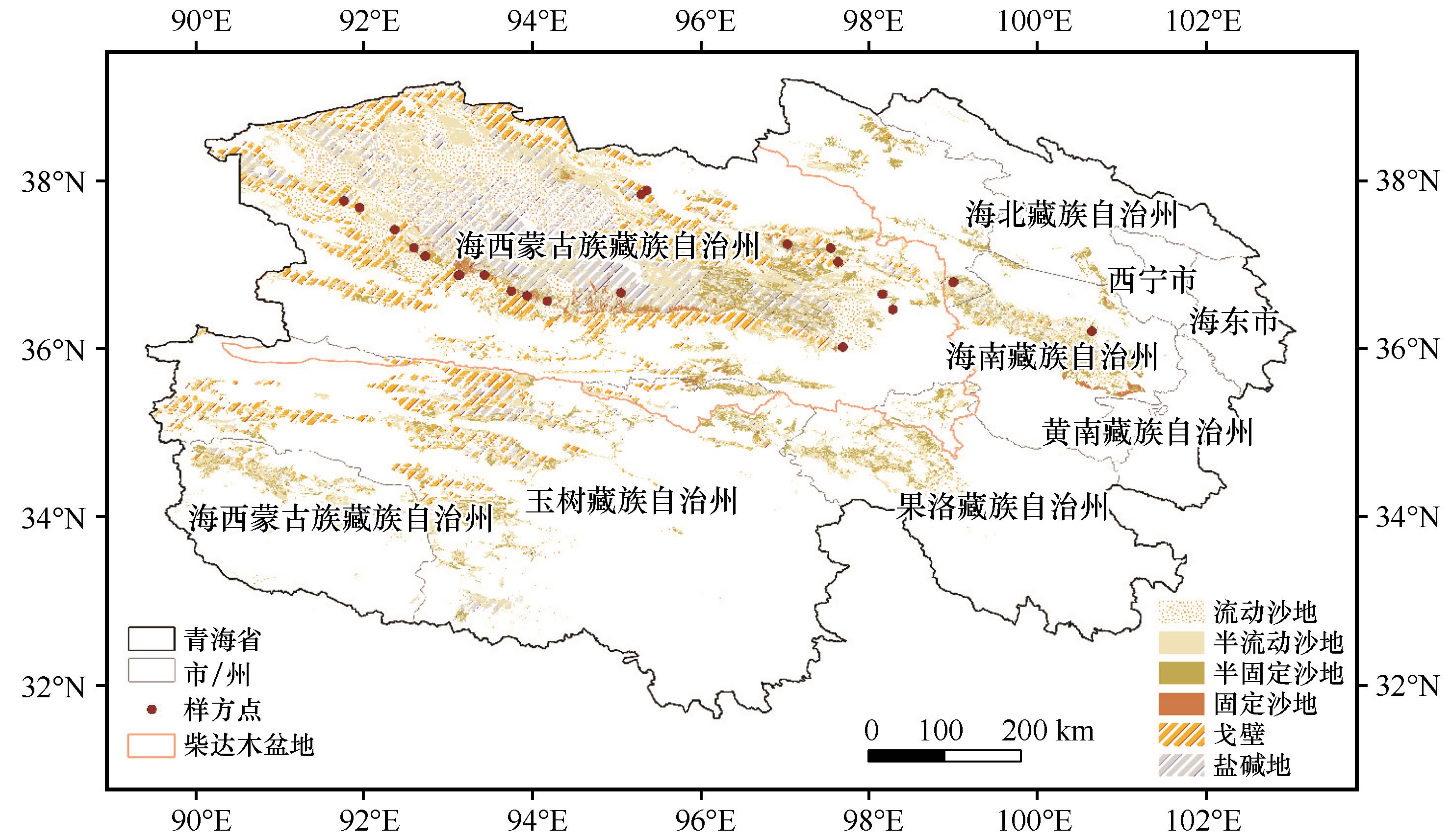
Fig.1 Location of the desert areas in Qinghai Province
| 植物名称 | 科名 | 属名 | 平均高度/cm | 平均冠幅/cm | 平均密度/(株·m-2) |
|---|---|---|---|---|---|
| 芦苇(Phragmites australis) | 禾本科 | 芦苇属 | 49.56±2.18 | 22.00±1.11 | 19.17±0.52 |
| 冰草(Agropyron cristatum) | 禾本科 | 冰草属 | 26.52±11.06 | 9.39±1.11 | 10.61±0.62 |
| 白刺(Nitraria tangutorum) | 白刺科 | 白刺属 | 80.58±10.88 | 115.44±16.23 | 0.40±0.21 |
| 柽柳(Tamarix chinensis) | 柽柳科 | 柽柳属 | 209.38±11.27 | 286.25±39.59 | 0.12±0.03 |
| 针茅(Stipa capillata) | 禾本科 | 针茅属 | 6.46±0.53 | 11.96±0.18 | 0.98±0.49 |
| 海韭菜(Triglochin maritima) | 水麦冬科 | 水麦冬属 | 10.58±5.31 | 11.58±0.97 | 15.52±3.58 |
| 红砂(Reaumuria songarica) | 柽柳科 | 红砂属 | 10.58±1.08 | 22.53±4.15 | 0.54±0.08 |
| 碱蓬(Suaeda glauca) | 苋科 | 碱蓬属 | 8.17±2.06 | 16.90±4.49 | 1.09±0.16 |
| 珍珠柴(Caroxylon passerinum) | 苋科 | 珍珠柴属 | 8.33±0.27 | 25.47±2.34 | 1.11±0.15 |
| 合头藜(Sympegma regelii) | 苋科 | 合头藜属 | 50.25±3.52 | 65.92±11.35 | 0.59±0.10 |
| 芨芨草(Neotrinia splendens) | 禾本科 | 芨芨草属 | 46.18±15.83 | 53.04±20.47 | 0.12±0.04 |
| 罗布麻(Apocynum venetum) | 夹竹桃科 | 罗布麻属 | 50.59±0.88 | 35.33±1.86 | 0.78±0.04 |
| 膜果麻黄(Ephedra przewalskii) | 麻黄科 | 麻黄属 | 17.41±0.45 | 31.41±0.87 | 0.26±0.08 |
| 莎草(Cyperus rotundus) | 莎草科 | 莎草属 | 10.56±1.76 | 6.33±0.58 | 118.61±34.80 |
Table 1 Characteristics of major plant species in the sandy areas of Qinghai Province
| 植物名称 | 科名 | 属名 | 平均高度/cm | 平均冠幅/cm | 平均密度/(株·m-2) |
|---|---|---|---|---|---|
| 芦苇(Phragmites australis) | 禾本科 | 芦苇属 | 49.56±2.18 | 22.00±1.11 | 19.17±0.52 |
| 冰草(Agropyron cristatum) | 禾本科 | 冰草属 | 26.52±11.06 | 9.39±1.11 | 10.61±0.62 |
| 白刺(Nitraria tangutorum) | 白刺科 | 白刺属 | 80.58±10.88 | 115.44±16.23 | 0.40±0.21 |
| 柽柳(Tamarix chinensis) | 柽柳科 | 柽柳属 | 209.38±11.27 | 286.25±39.59 | 0.12±0.03 |
| 针茅(Stipa capillata) | 禾本科 | 针茅属 | 6.46±0.53 | 11.96±0.18 | 0.98±0.49 |
| 海韭菜(Triglochin maritima) | 水麦冬科 | 水麦冬属 | 10.58±5.31 | 11.58±0.97 | 15.52±3.58 |
| 红砂(Reaumuria songarica) | 柽柳科 | 红砂属 | 10.58±1.08 | 22.53±4.15 | 0.54±0.08 |
| 碱蓬(Suaeda glauca) | 苋科 | 碱蓬属 | 8.17±2.06 | 16.90±4.49 | 1.09±0.16 |
| 珍珠柴(Caroxylon passerinum) | 苋科 | 珍珠柴属 | 8.33±0.27 | 25.47±2.34 | 1.11±0.15 |
| 合头藜(Sympegma regelii) | 苋科 | 合头藜属 | 50.25±3.52 | 65.92±11.35 | 0.59±0.10 |
| 芨芨草(Neotrinia splendens) | 禾本科 | 芨芨草属 | 46.18±15.83 | 53.04±20.47 | 0.12±0.04 |
| 罗布麻(Apocynum venetum) | 夹竹桃科 | 罗布麻属 | 50.59±0.88 | 35.33±1.86 | 0.78±0.04 |
| 膜果麻黄(Ephedra przewalskii) | 麻黄科 | 麻黄属 | 17.41±0.45 | 31.41±0.87 | 0.26±0.08 |
| 莎草(Cyperus rotundus) | 莎草科 | 莎草属 | 10.56±1.76 | 6.33±0.58 | 118.61±34.80 |
| |Z| | FVC变化趋势 | |
|---|---|---|
| ≥0.0005 | >1.96 | 明显改善 |
| ≥0.0005 | ≤1.96 | 轻微改善 |
| -0.0005~0.0005 | ≤1.96 | 稳定不变 |
| <-0.0005 | ≤1.96 | 轻微减少 |
| <-0.0005 | >1.96 | 严重减少 |
Table 2 Classification of FVC trend variations
| |Z| | FVC变化趋势 | |
|---|---|---|
| ≥0.0005 | >1.96 | 明显改善 |
| ≥0.0005 | ≤1.96 | 轻微改善 |
| -0.0005~0.0005 | ≤1.96 | 稳定不变 |
| <-0.0005 | ≤1.96 | 轻微减少 |
| <-0.0005 | >1.96 | 严重减少 |
| Hurst指数 | FVC未来变化趋势 | |
|---|---|---|
| ≥0.0005 | 0.5~1 | 持续性改善 |
| ≥0.0005 | 0~0.5 | 反持续性改善(减少) |
| -0.0005~0.0005 | ≈0.5 | 相对稳定 |
| <-0.0005 | 0~0.5 | 反持续性减少(改善) |
| <-0.0005 | 0.5~1 | 持续性减少 |
Table 3 Classification of future FVC trend variations
| Hurst指数 | FVC未来变化趋势 | |
|---|---|---|
| ≥0.0005 | 0.5~1 | 持续性改善 |
| ≥0.0005 | 0~0.5 | 反持续性改善(减少) |
| -0.0005~0.0005 | ≈0.5 | 相对稳定 |
| <-0.0005 | 0~0.5 | 反持续性减少(改善) |
| <-0.0005 | 0.5~1 | 持续性减少 |
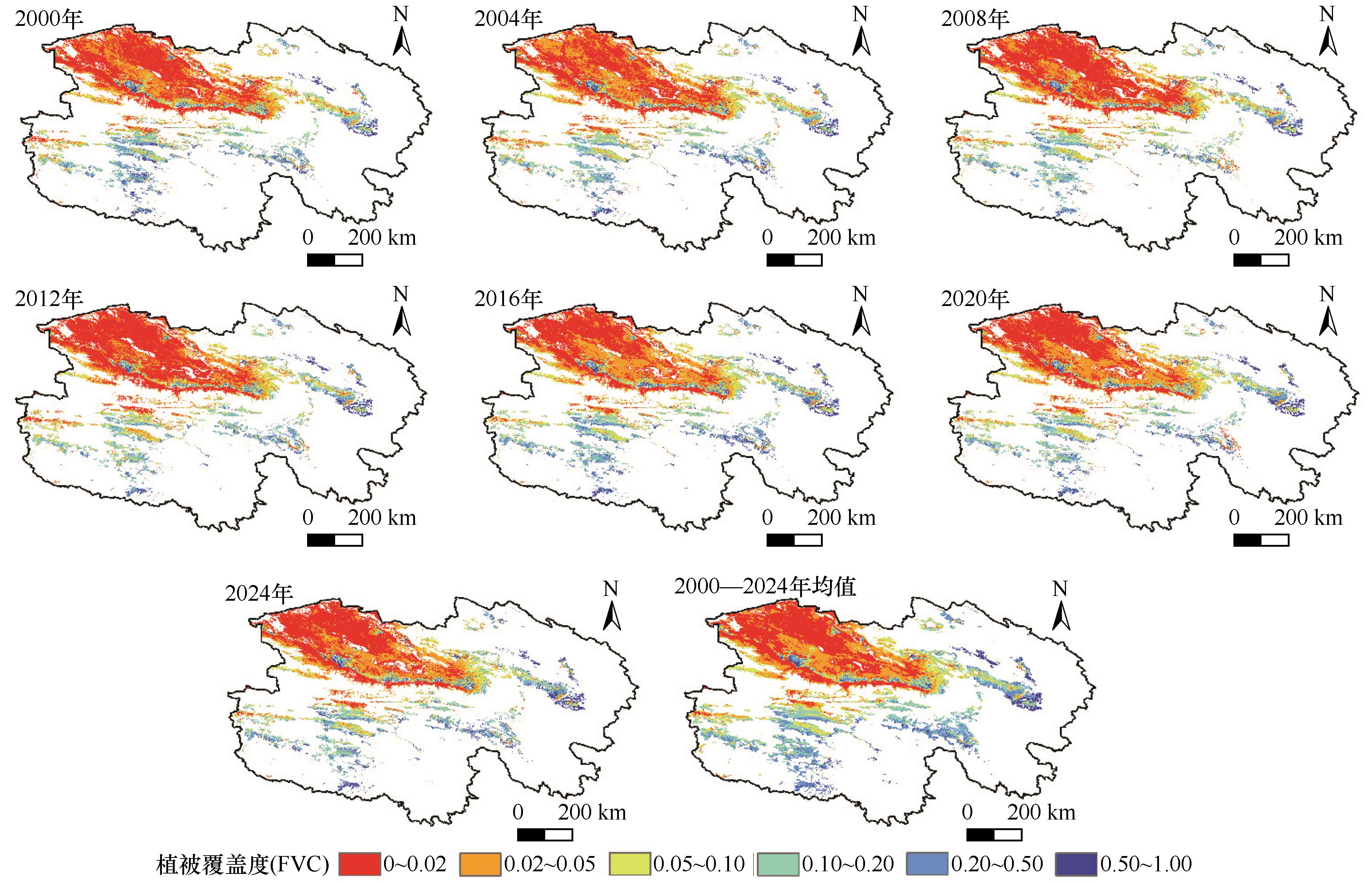
Fig.2 Spatial distribution of vegetation cover (FVC) in the desert areas of Qinghai Province from 2000 to 2024
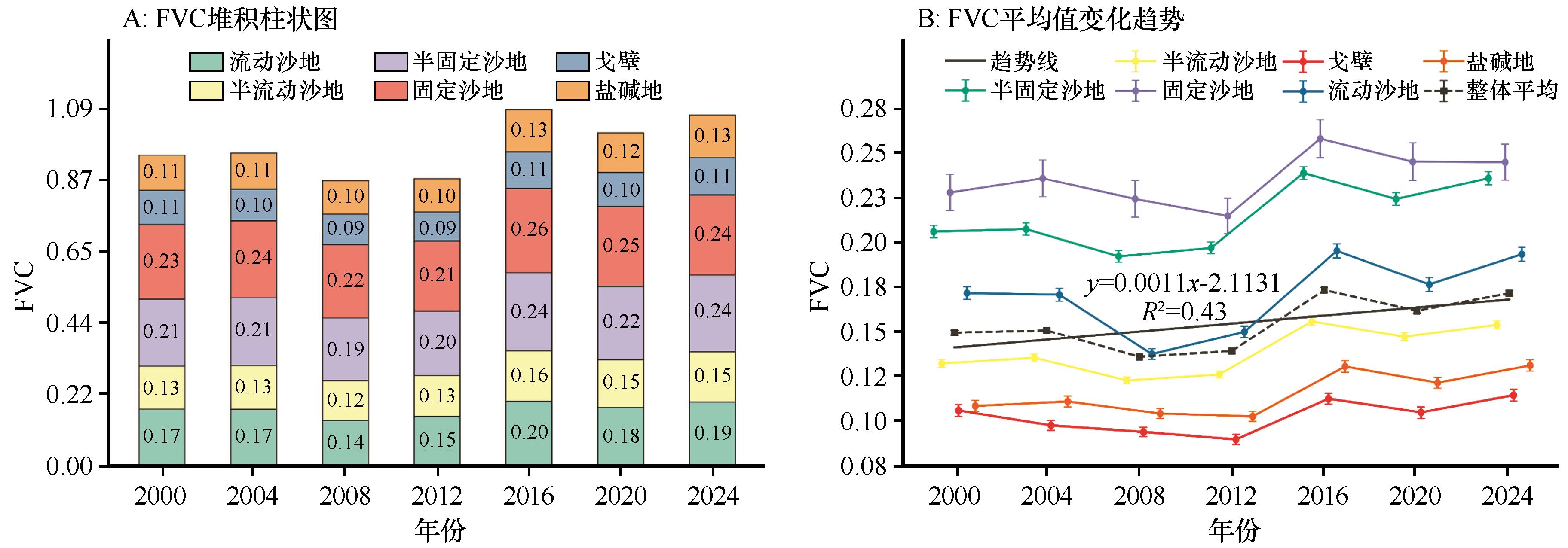
Fig.3 Temporal variation trend of vegetation cover (FVC) in the desert areas of Qinghai Province from 2000 to 2024
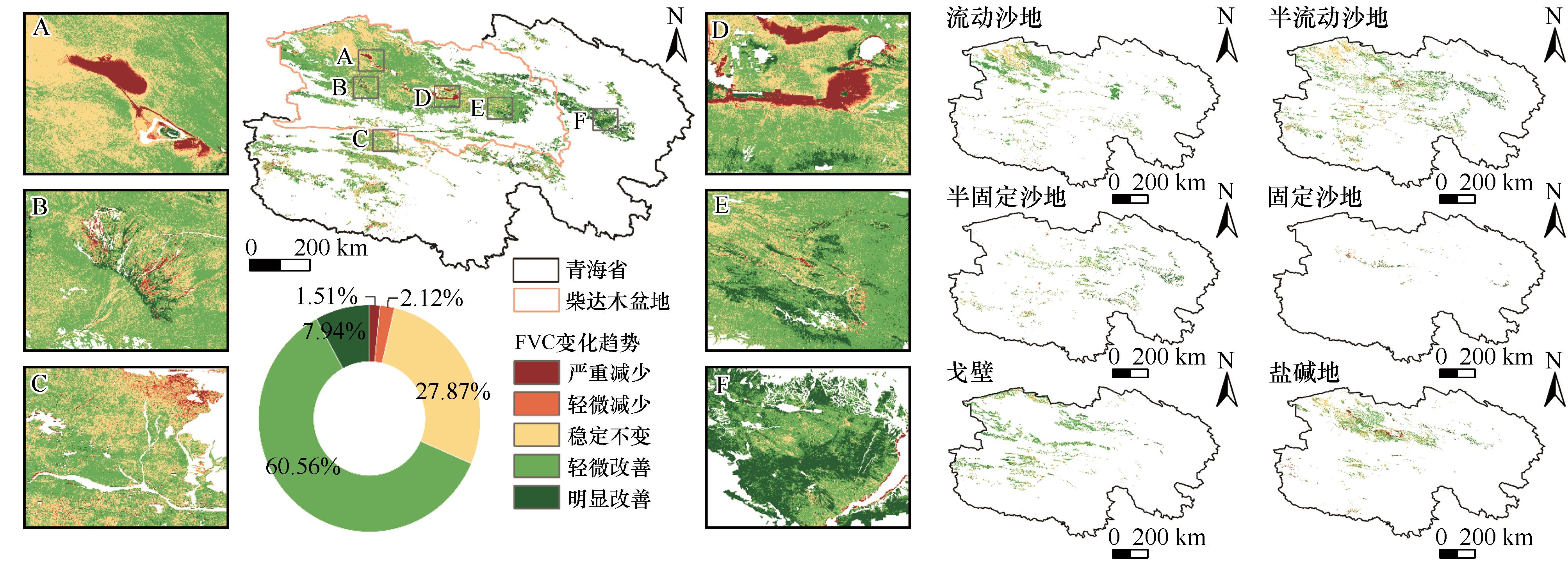
Fig.4 Distribution of vegetation reduction and improvement in the desert areas of Qinghai Province from 2000 to 2024
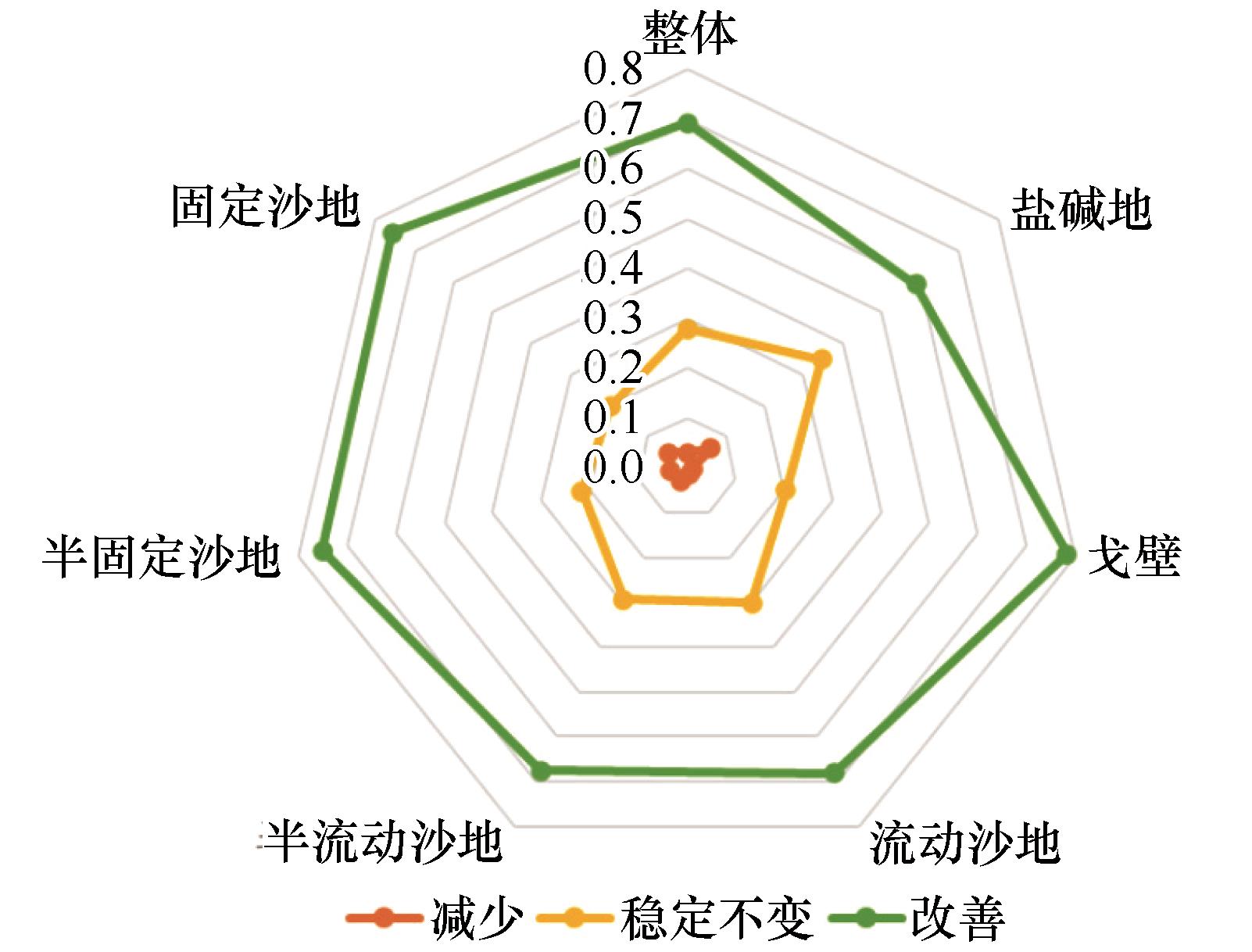
Fig.5 Proportional distribution of vegetation changes in the desert areas of Qinghai Province from 2000 to 2024
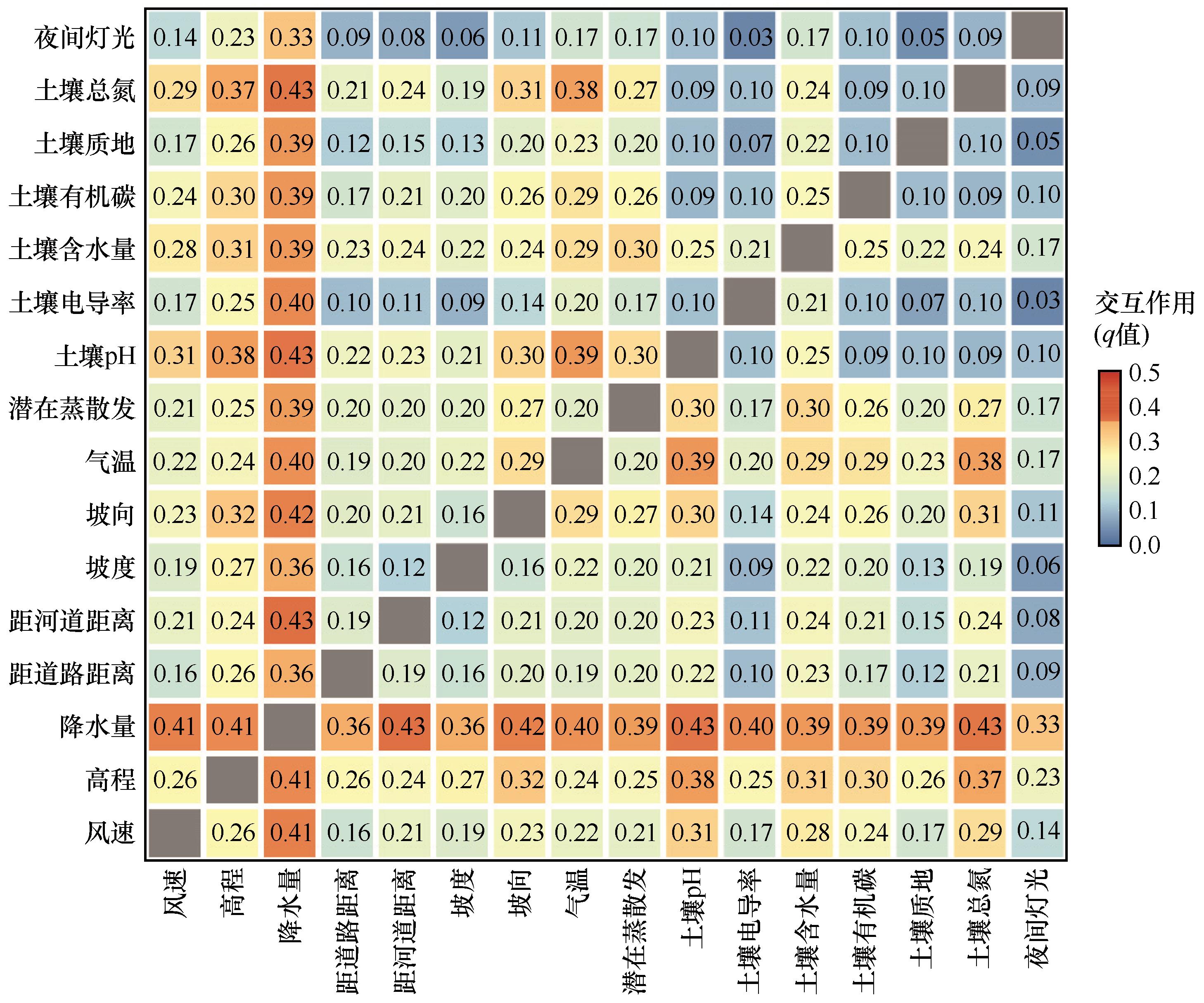
Fig.6 Heatmap of interaction detection of factors influencing FVC from 2000 to 2024
| 因子类型 | 地理因子 | 解释力q | 显著性P |
|---|---|---|---|
| 气候 | 气温 | 0.151 | <0.001 |
| 降水量 | 0.326 | <0.001 | |
| 风速 | 0.127 | <0.001 | |
| 潜在蒸散发 | 0.153 | <0.001 | |
| 水文 | 距河道距离 | 0.096 | <0.001 |
| 地形 | 高程 | 0.205 | <0.001 |
| 坡度 | 0.049 | <0.001 | |
| 坡向 | 0.094 | <0.001 | |
| 土壤 | 土壤质地 | 0.036 | <0.001 |
| 土壤含水量 | 0.166 | <0.001 | |
| 土壤有机碳 | 0.089 | <0.001 | |
| 土壤总氮 | 0.078 | <0.001 | |
| 土壤pH | 0.084 | <0.001 | |
| 土壤电导率 | 0.022 | <0.05 | |
| 人类活动 | 夜间灯光 | 0.004 | >0.05 |
| 距道路距离 | 0.141 | <0.001 |
Table 4 Results of FVC driving factors based on the Geodetector method from 2000 to 2024
| 因子类型 | 地理因子 | 解释力q | 显著性P |
|---|---|---|---|
| 气候 | 气温 | 0.151 | <0.001 |
| 降水量 | 0.326 | <0.001 | |
| 风速 | 0.127 | <0.001 | |
| 潜在蒸散发 | 0.153 | <0.001 | |
| 水文 | 距河道距离 | 0.096 | <0.001 |
| 地形 | 高程 | 0.205 | <0.001 |
| 坡度 | 0.049 | <0.001 | |
| 坡向 | 0.094 | <0.001 | |
| 土壤 | 土壤质地 | 0.036 | <0.001 |
| 土壤含水量 | 0.166 | <0.001 | |
| 土壤有机碳 | 0.089 | <0.001 | |
| 土壤总氮 | 0.078 | <0.001 | |
| 土壤pH | 0.084 | <0.001 | |
| 土壤电导率 | 0.022 | <0.05 | |
| 人类活动 | 夜间灯光 | 0.004 | >0.05 |
| 距道路距离 | 0.141 | <0.001 |
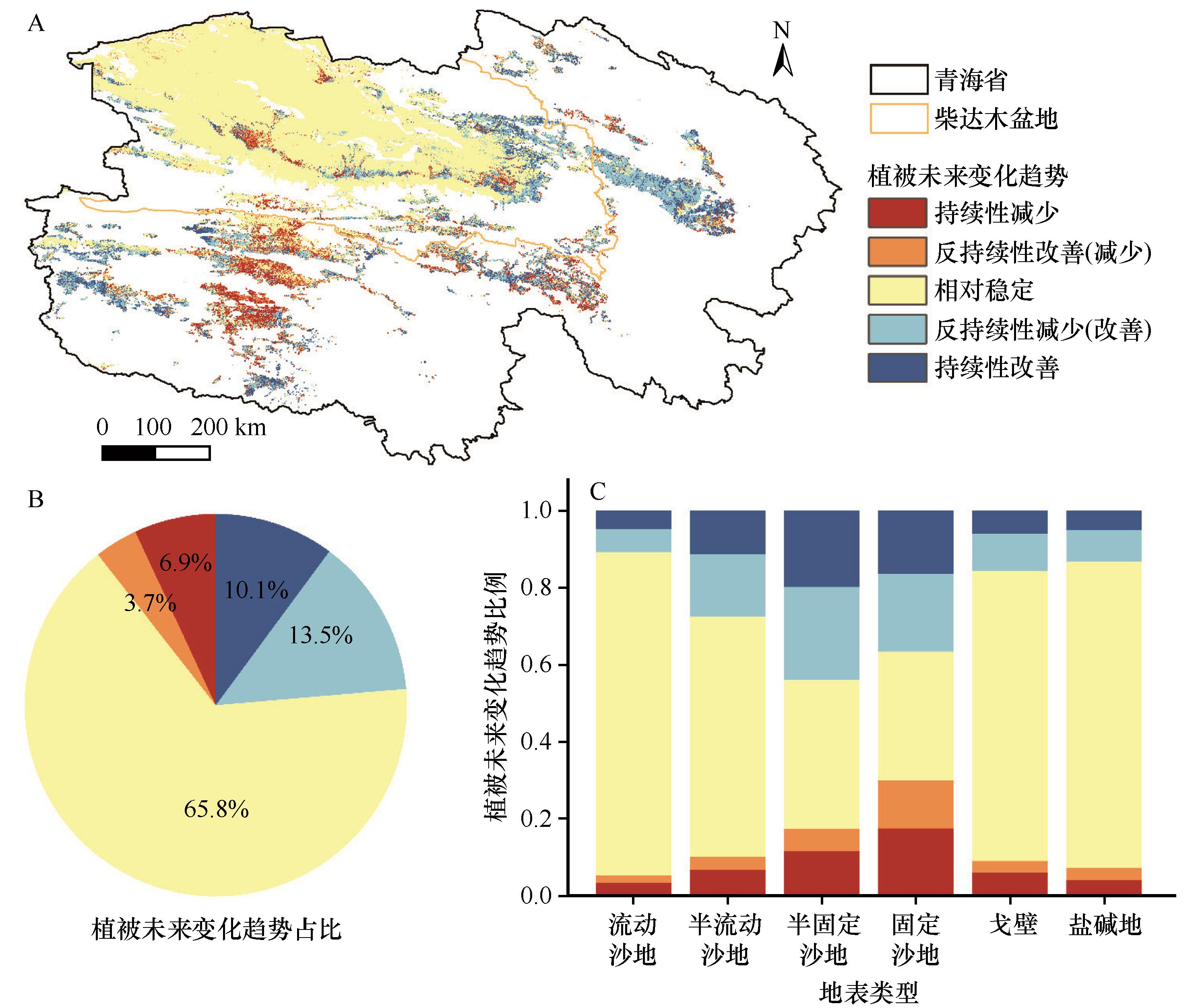
Fig.7 Future vegetation change trends in the desert areas of Qinghai Province
| 生态脆弱地表类型 | 恢复策略 | 主要措施 |
|---|---|---|
| 流动沙地 | 强化沙地固定,增强水分管理 | ①生物固沙(种植固沙植物)与工程措施(沙障等)相结合 ②适当建设水源保障系统 |
| 半流动沙地 | 保护现有植被,强化水土保持 | ①加强风沙侵蚀控制措施,如修建风障、植被恢复②实施水土保持技术,保持水源和土壤水分 |
| 半固定沙地 | 提升植被多样性,恢复土壤肥力 | ①种植本土耐旱、耐盐植物,增强植被覆盖度 ②改良土壤结构,增加土壤有机质含量 |
| 固定沙地 | 稳定现有植被,增强固沙能力 | ①扩大本土植物种植,尤其是深根植物,以增强土壤稳定性 ②加强沙障建设与沙丘固沙,减少风沙侵蚀 |
| 盐碱地 | 改良土壤,种植适生植物 | ①采用盐碱地改良技术(如生物修复、化学修复等),降低土壤盐分②种植适生植物 |
| 戈壁 | 增强土壤结构,提升生物多样性 | ①引入适应戈壁环境的耐旱、耐碱植物种类 ②加强生态恢复,特别是水土保持和固沙技术的应用 |
Table 5 Restoration strategies for different ecologically fragile surface types in the desert areas of Qinghai
| 生态脆弱地表类型 | 恢复策略 | 主要措施 |
|---|---|---|
| 流动沙地 | 强化沙地固定,增强水分管理 | ①生物固沙(种植固沙植物)与工程措施(沙障等)相结合 ②适当建设水源保障系统 |
| 半流动沙地 | 保护现有植被,强化水土保持 | ①加强风沙侵蚀控制措施,如修建风障、植被恢复②实施水土保持技术,保持水源和土壤水分 |
| 半固定沙地 | 提升植被多样性,恢复土壤肥力 | ①种植本土耐旱、耐盐植物,增强植被覆盖度 ②改良土壤结构,增加土壤有机质含量 |
| 固定沙地 | 稳定现有植被,增强固沙能力 | ①扩大本土植物种植,尤其是深根植物,以增强土壤稳定性 ②加强沙障建设与沙丘固沙,减少风沙侵蚀 |
| 盐碱地 | 改良土壤,种植适生植物 | ①采用盐碱地改良技术(如生物修复、化学修复等),降低土壤盐分②种植适生植物 |
| 戈壁 | 增强土壤结构,提升生物多样性 | ①引入适应戈壁环境的耐旱、耐碱植物种类 ②加强生态恢复,特别是水土保持和固沙技术的应用 |
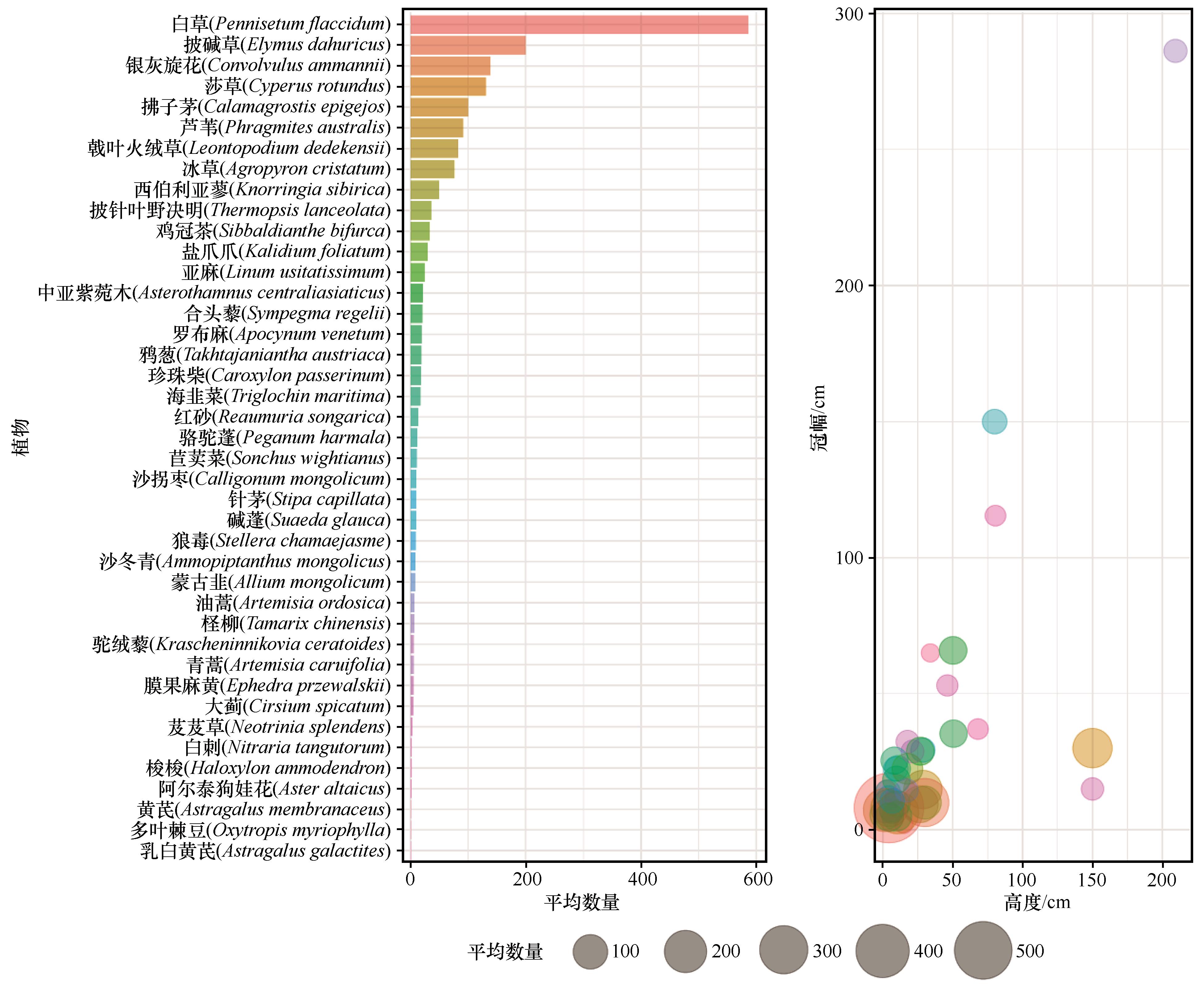
Fig.8 Characteristics of major plant species in desert areas of Qinghai Province
| [1] | Schlaepfer D R, Bradford J B, Lauenroth W K,et al.Climate change reduces extent of temperate drylands and intensifies drought in deep soils[J].Nature Communications,2017,8(1):14196. |
| [2] | Stringer L C, Reed M S, Dougill A J,et al.Implementing the UNCCD:participatory challenges[C]//Proceedings of the Natural Resources Forum.Wiley Online Library,2007. |
| [3] | Burrell A L, Evans J P, De Kauwe M G.Anthropogenic climate change has driven over 5 million km2 of drylands towards desertification[J].Nature Communications,2020,11(1):3853. |
| [4] | 刘帅飞,曲海华,高广磊,等.中国履行《联合国防治荒漠化公约》:行动、问题与对策[J].中国沙漠,2023,43(6):229-236. |
| [5] | Zhao H, Zhai X, Li S,et al.The continuing decrease of sandy desert and sandy land in northern China in the latest 10 years[J].Ecological Indicators,2023,154:1-18. |
| [6] | 王灿,张雅欣.碳中和愿景的实现路径与政策体系[J].中国环境管理,2020,12(6):58-64. |
| [7] | 胡鞍钢.中国实现2030年前碳达峰目标及主要途径[J].北京工业大学学报(社会科学版),2021,21(3):1-15. |
| [8] | Ren Z, Wang Z, Wang Y,et al.Soil bacterial communities vary with grassland degradation in the Qinghai Lake Watershed[J].Plant and Soil,2021,460(1):541-557. |
| [9] | Li Z, Li X, Yang S.Plant drought adaptation strategies regulate alpine grassland water yield in the Qinghai Lake Basin,northeastern Qinghai-Tibet Plateau[J].Journal of Hydrology:Regional Studies,2023,48:1-13. |
| [10] | Zhang Y, Zhu J, Wang L,et al.Policy-driven vegetation restoration in Qinghai Province:spatiotemporal analysis and policy evaluation[J].Land,2024,13(7):1-12. |
| [11] | Liu X, He Y, Sun S,et al.Restoration of sand-stabilizing vegetation reduces deep percolation of precipitation in semi-arid sandy lands,northern China[J].Catena,2022,208:1-15. |
| [12] | Wang Q, Jiang S, Zhai J,et al.Effects of vegetation restoration on evapotranspiration water consumption in mountainous areas and assessment of its remaining restoration space[J].Journal of Hydrology,2022,605:1-14. |
| [13] | Francés A.Integration of hydrogeophysics and remote sensing with coupled hydrological models[R].Laboratorio Nacional de Energia e Geologia (Portugal),2015. |
| [14] | Almalki R, Khaki M, Saco P M,et al.Monitoring and mapping vegetation cover changes in arid and semi-arid areas using remote sensing technology:a review[J].Remote Sensing,2022,14(20):1-13. |
| [15] | Rivera-Marin D, Dash J, Ogutu B.The use of remote sensing for desertification studies:a review[J].Journal of Arid Environments,2022,206:1-45. |
| [16] | Herrmann S M, Anyamba A, Tucker C J.Recent trends in vegetation dynamics in the African Sahel and their relationship to climate[J].Global Environmental Change,2005,15(4):394-404. |
| [17] | Yan Y, Cheng Y, Xin Z,et al.Impacts of climate change and human activities on vegetation dynamics on the Mongolian Plateau,East Asia from 2000 to 2023[J].Journal of Arid Land,2024,16(8):1062-1079. |
| [18] | Zhou Y, Hu Z, Geng Q,et al.Monitoring and analysis of desertification surrounding Qinghai Lake (China) using remote sensing big data[J].Environmental Science and Pollution Research International,2023,30(7):17420-17436. |
| [19] | 李小宇,信忠保,杨俊柳,等.2000-2020年青海河湟谷地植被NDVI时空变化及影响因素[J].水土保持学报,2024,38(1):79-90. |
| [20] | 魏婷婷.青海共和盆地荒漠化评价与景观动态研究[D].北京:中国林业科学研究院,2011. |
| [21] | 张登山,田丽慧,吴汪洋,等.青海高原沙化土地综合治理研究进展[C]//中国治沙暨沙业学会2018年学术年会论文集.中国治沙暨沙业学会,2018:26-34. |
| [22] | 青海省人民政府.青海省沙漠化防治工作取得阶段性成效[EB/OL].(2025-06-18)[2025-09-29]. |
| [23] | 李三旦.青海省防沙治沙生态建设对策研究[J].青海农林科技,2015(1):31-35. |
| [24] | 张寿红.气候变暖对青海湖水位变化成因的影响分析及未来水位预测[J].科技和产业,2025,25(5):49-53. |
| [25] | 江波,张路,欧阳志云.青海湖湿地生态系统服务价值评估[J].应用生态学报,2015,26(10):3137-3144. |
| [26] | Carlson T N, Ripley D A.On the relation between NDVI,fractional vegetation cover,and leaf area index[J].Remote Sensing of Environment,1997,62(3):241-252. |
| [27] | 张琨,吕一河,傅伯杰,等.黄土高原植被覆盖变化对生态系统服务影响及其阈值[J].地理学报,2020,75(5):949-960. |
| [28] | 李长龙,王燕,高志海,等.2000-2020年中国荒漠化潜在发生范围区林草覆被时空变化特征[J].地理学报,2022,77(11):2803-2816. |
| [29] | 贾坤,姚云军,魏香琴,等.植被覆盖度遥感估算研究进展[J].地球科学进展,2013,28(7):774-782. |
| [30] | 李苗苗,吴炳方,颜长珍,等.密云水库上游植被覆盖度的遥感估算[J].资源科学,2004 (4):153-159. |
| [31] | Wulder M A, Loveland T R, Roy D P,et al.Current status of Landsat program,science,and applications[J].Remote Sensing of Environment,2019,225:127-147. |
| [32] | Yang L, Jia K, Liang S,et al.A robust algorithm for estimating surface fractional vegetation cover from landsat data[J].Remote Sensing,2017,9(8):857. |
| [33] | He X, Zhang L, Lu Y,et al.Spatiotemporal variations of vegetation and its response to climate change and human activities in arid areas:a case study of the Shule River Basin,northwestern China[J].Forests,2024,15(7):1147. |
| [34] | Chen J, Yang S, Li H,et al.Research on geographical environment unit division based on the method of natural breaks (Jenks)[J].The International Archives of the Photogrammetry,Remote Sensing and Spatial Information Sciences,2013,40:47-50. |
| [35] | 王建华,王一谋,颜长珍,等.中国1∶10万沙漠(沙地)分布数据集[DS].国家青藏高原科学数据中心,2013. |
| [36] | Yan D, Li C, Zhang X,et al.A data set of global river networks and corresponding water resources zones divisions v2[J].Science Data,2022,9(1):770. |
| [37] | 王佃来,刘文萍,黄心渊.基于Sen+Mann-Kendall的北京植被变化趋势分析[J].计算机工程与应用,2013,49(5):13-17. |
| [38] | 王欣毅,杨洁,林良国,等.基于Sen+Mann-Kendall陕西省植被覆盖度时空变化规律研究[J].农业与技术,2023,43(7):62-66. |
| [39] | 袁丽华,蒋卫国,申文明,等.2000-2010年黄河流域植被覆盖的时空变化[J].生态学报,2013,33(24):7798-7806. |
| [40] | 刘洋,李诚志,刘志辉,等.1982-2013年基于GIMMS-NDVI的新疆植被覆盖时空变化[J].生态学报,2016,36(19):6198-6208. |
| [41] | 邓兴耀,姚俊强,刘志辉.基于GIMMS NDVI的中亚干旱区植被覆盖时空变化[J].干旱区研究,2017,34(1):10-19. |
| [42] | 江田汉,邓莲堂.Hurst指数估计中存在的若干问题:以在气候变化研究中的应用为例[J].地理科学,2004 (2):177-182. |
| [43] | 刘宪锋,任志远,林志慧,等.2000-2011年三江源区植被覆盖时空变化特征[J].地理学报,2013,68(7):897-908. |
| [44] | 王明宇,吴成永,陈克龙.青海湖流域植被绿度时空变化及影响因素[J].中国沙漠,2025,45(5):289-300. |
| [45] | 王劲峰,徐成东.地理探测器:原理与展望[J].地理学报,2017,72(1):116-134. |
| [46] | He Z, Zhao W.Variability of soil moisture of shifting sandy land and its dependence on precipitation in semi-arid region[J].Journal of Desert Research,2002,22(4):359. |
| [47] | Sun S, Liu X, He Y,et al.Responses of annual herb plant community characteristics to increased precipitation and reduced wind velocity in semiarid sandy grassland[J].Ecology and Evolution,2019,9(18):10654-10664. |
| [48] | 赵以莲,周国英,陈桂琛.青海湖区东部沙地植被及其特征研究[J].中国沙漠,2007,27(5):820-825. |
| [49] | Lu Q, Wang X, Wu B,et al.Can mobile sandy land be vegetated in the cold and dry Tibetan Plateau in China?[J].Frontiers of Biology in China,2009,4(1):62-68. |
| [50] | Liu L, Wang B.Protection of halophytes and their uses for cultivation of saline-alkali soil in China[J].Biology (Basel),2021,10(5):1-20. |
| [51] | Yu L, Yang J, Bu K,et al.Impacts of saline-alkali land improvement on regional climate:process,mechanisms,and implications[J].Remote Sensing,2021,13(17):3407. |
| [52] | 王晓蕾,黄亦龙.基于GEE和干旱改进型遥感生态指数的青海省生态环境质量评价[J].生态学报,2025,45(20):1-13. |
| [53] | 陈巧娥,周继华,来利明,等.青藏高原植被时空分布变化特征及驱动因素[J].应用与环境生物学报,2025,31(3):322-335. |
| [54] | 张晶,左小安,吕朋.降雨量和土壤氮含量对半干旱沙质草地生产力的影响[J].中国沙漠,2025,45(4):96-108. |
| [55] | 夏倩柔,任璇,包玉波.天山山脉植被时空分布与地形影响分析[J].地下水,2025,47(3):209-211. |
| [56] | 孙莉英,栗清亚,裴亮,等.地形因子对土壤理化性质和植物种类的影响[J].灌溉排水学报,2020,39(7):120-127. |
| [57] | Li M, Liu A, Zou C,et al.An overview of the“Three-North”Shelterbelt project in China[J].Forestry Studies in China,2012,14(1):70-79. |
| [58] | Tan M, Li X.Does the Green Great Wall effectively decrease dust storm intensity in China?a study based on NOAA NDVI and weather station data[J].Land Use Policy,2015,43:42-47. |
| [59] | 胡云云,何学高,李国兴,等.青海湖流域陆地生态系统NEP时空格局及驱动因素定量分离[J].水土保持学报,2025,10:1-13. |
| [60] | 魏晓旭,魏伟,刘春芳.近40年青海省草地植被时空变化及其与人类活动的关系[J].生态学杂志,2021,40(8):2541-2552. |
| [61] | 马晓帆.青海省生态系统服务权衡/协同关系及供需格局演变研究[D],西宁:青海师范大学,2024. |
| [62] | 李俊文,张胜男,高海燕,等.不同植被恢复措施对沙地土壤肥力的影响[J].东北林业大学学报,2025,53(8):76-82. |
| [63] | 张日升,凡胜豪,姜涛,等.辽西北风沙区典型利用类型下的土壤水分变化特征[J].安徽农业科学,2024,52(23):62-64+68. |
| [64] | 李发鸿,马存世,高万林,等.干旱荒漠区围栏封育对白刺群落生长的影响[J].甘肃林业科技,2012,37(3):23-25. |
| [65] | 冯起,尹鑫卫,朱猛,等.统筹推进西北地区盐碱地综合治理利用:现状、挑战与对策建议[J].中国科学院院刊,2024,39(12):2060-2073. |
| [66] | 姚冬梅.4种灌木流动和半流动沙地造林技术研究[J].防护林科技,2017(1):72-73. |
| [67] | 张帆,辛智鸣,杨文斌,等.毛乌素沙地典型植被对地下水循环过程的调控[J].中国沙漠,2025,45(1):63-74. |
| [68] | 曹世宁,余博航,李景文,等.中国黑戈壁地区植物群落物种、功能与系统发育β多样性分布格局及其影响因素[J].生物多样性,2025,33(8):25134. |
| [69] | 张国盛,王林和,董智,等.毛乌素沙地主要固沙灌(乔)木林地水分平衡研究[J].内蒙古农业大学学报(自然科学版),2002(3):1-9. |
| [70] | 杨文斌,董慧龙,卢琦,等.低覆盖度固沙林的乔木分布格局与防风效果[J].生态学报,2011,31(17):5000-5008. |
| [1] | Zhiwei Jiang, Zhibo Yang, Qing Yang, Jie Hu, Qianya Liu, Lingling Yu, Honghong Zhang, Zhaojing Dan, Lei Tian. Temporal and spatial variation of vegetation cover in Kubuqi Desert from 2000 to 2022 and its driving factors [J]. Journal of Desert Research, 2025, 45(5): 124-133. |
| [2] | Yang Zhao, Yuchao Lian, Yanqiao Zhao, Wenwen Xu, Yixue Zhao. Review on the application of biological soil crusts in the prevention and control of aeolian desertification [J]. Journal of Desert Research, 2025, 45(3): 31-38. |
| [3] | Rui Hu, Yanhong Gao, Peng Zhang, Xiaojun Li. Review on the effects of vegetation revegetation on key carbon cycle processes in arid sandy regions [J]. Journal of Desert Research, 2025, 45(3): 60-71. |
| [4] | Lang Zhang, Guofeng Dang, Tengfei Yu, Tuo Han, Yidan Yin, Yong Chen. Monitoring and change analysis of vegetation coverage in Ejin Oasis based on UAV-LiDAR [J]. Journal of Desert Research, 2024, 44(5): 170-181. |
| [5] | Cong Hua, Yun Cao, Jikang Wang, Ran Xu. Spring sand-dust weather distribution in Hunshandak Sandy Land in relation to vegetation and wind in 2000-2023 [J]. Journal of Desert Research, 2024, 44(4): 71-80. |
| [6] | Ziyi Bai, Zhibao Dong, Fengjun Xiao, Chao Li, Weige Nan, Tianjie Shao, Lingling Kong, Huirong Ma, Zheng Chi. Aerodynamic characteristics of Astragalus adsurgens vegetation based on mobile wind tunnel experiment [J]. Journal of Desert Research, 2024, 44(3): 1-8. |
| [7] | Ziao Shen, Jing Wu, Chunbin Li. Temporal and spatial changes of vegetation cover and its driving forces in the Hexi inland river basin from 2000 to 2020 [J]. Journal of Desert Research, 2024, 44(3): 119-127. |
| [8] | Aihong Shen, Jie She, Yun Shi, Tao Wu, Yongliang Liang, Jun Dong, Yiting Ma. Changes in vegetation coverage of desert grasslands in the eastern foothills of Helan Mountains in 2001-2020 [J]. Journal of Desert Research, 2024, 44(3): 308-320. |
| [9] | Xiaoya Yi, Dequan Zhang, Yong Liu, Xurigan, Shengbo Xie. Vegetation change and its response to climate factors in Hanggin Banner,Inner Mongolia, China from 2000 to 2020 [J]. Journal of Desert Research, 2024, 44(3): 51-62. |
| [10] | Ziyi Bai, Zhibao Dong, Weige Nan, Fengjun Xiao, Chao Li, Tianjie Shao, Lingling Kong, Xiaokang Liu, Aiming Liang, Zheng Chi. The influence of vegetation coverage on the wind sand flow structure and sediment transport rate [J]. Journal of Desert Research, 2024, 44(2): 25-34. |
| [11] | Danyi Liu, Wei Feng, Tao Wang, Wenbin Yang, Bin Zhu, Hui Zou, Mi Zhou. Characteristics of vegetation restoration based on the theory of low vegetation coverage for desertification control [J]. Journal of Desert Research, 2024, 44(1): 170-177. |
| [12] | Lingling Kong, Zhibao Dong, Ziyi Bai, Fengjun Xiao, Huirong Ma, Ruicong Xu. Effects of vegetation cover and configuration on soil wind erosion based on wind tunnel experiments [J]. Journal of Desert Research, 2024, 44(1): 235-243. |
| [13] | Zhulei Dong, Xuegong Jiang, Nana Yi, Zhili Xu, Yuehe Hang, Shuiyan Yu. Numerical simulation of the influence of wind speed and vegetation on dust weather in Inner Mongolia, China [J]. Journal of Desert Research, 2023, 43(6): 29-39. |
| [14] | Xiaohong Ma, Fei Lin, Liming Yuan, Junjie Niu. Vegetation coverage change and its response to ecological protection project in Fenhe River Basin [J]. Journal of Desert Research, 2023, 43(3): 86-95. |
| [15] | Fanrui Bu, Ying Liu, Xueyong Zou. Response of vegetation coverage to precipitation change in the typical sandy lands of eastern China [J]. Journal of Desert Research, 2023, 43(3): 9-20. |
| Viewed | ||||||
|
Full text |
|
|||||
|
Abstract |
|
|||||
©2018Journal of Desert Research
Tel:0931-8267545
Email:caiedit@lzb.ac.cn;desert@lzb.ac.cn
Support:Magtech
