
- CN 62-1070/P
- ISSN 1000-694X
- Bimonthly 1981
Journal of Desert Research ›› 2026, Vol. 46 ›› Issue (4): 135-146.DOI: 10.7522/j.issn.1000-694X.2026.00040
Previous Articles Next Articles
Yao Hu( ), Junsheng Liu()
Received:2025-12-21
Revised:2026-01-27
Online:2026-07-20
Published:2026-08-27
Contact:
Junsheng Liu
CLC Number:
Yao Hu, Junsheng Liu. Coupling coordination of tourism economy-public services-new urbanization in western China and its influencing factors[J]. Journal of Desert Research, 2026, 46(4): 135-146.
Add to citation manager EndNote|Ris|BibTeX
URL: http://www.desert.ac.cn/EN/10.7522/j.issn.1000-694X.2026.00040
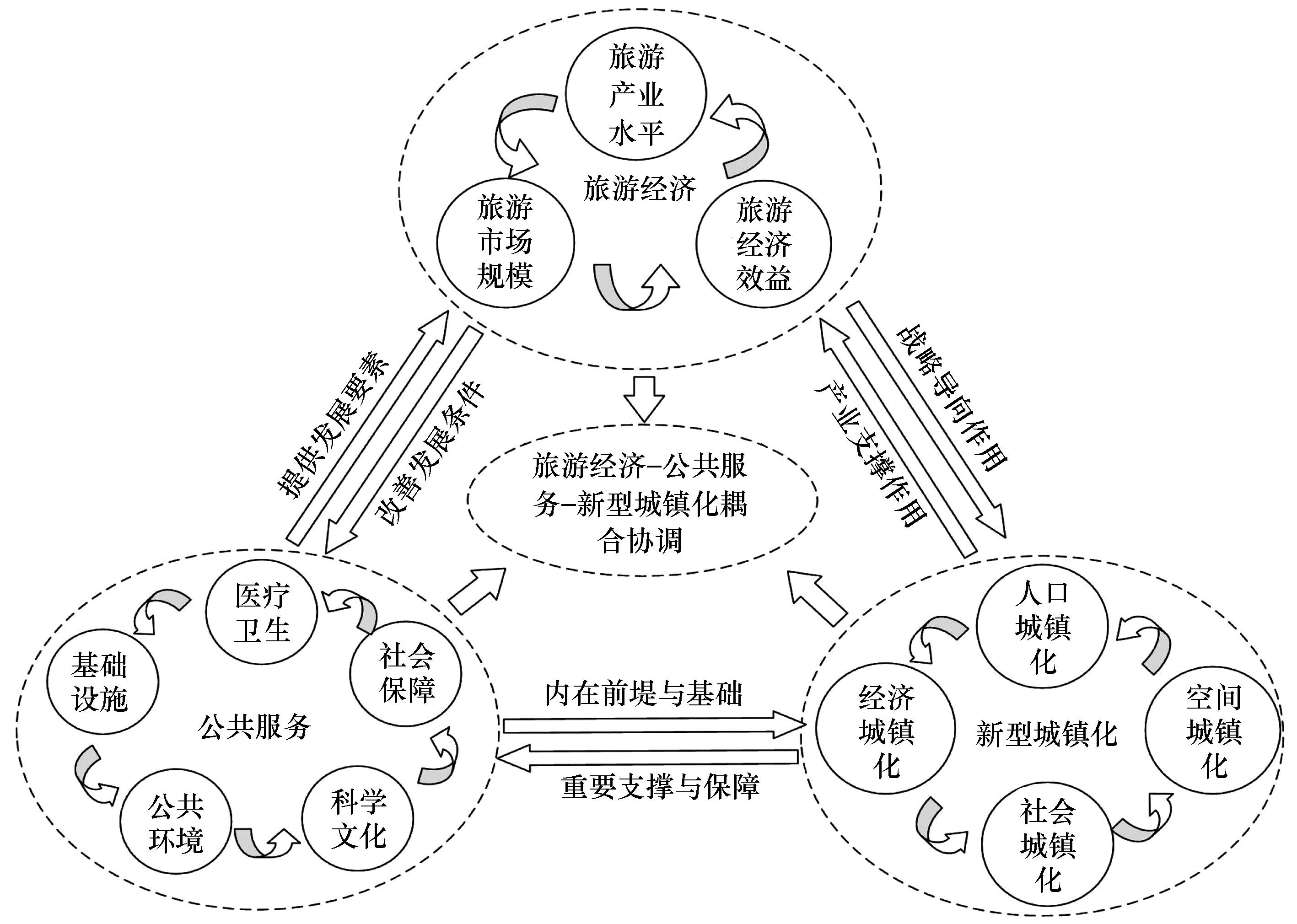
Fig.1 Coupling mechanism of tourism economy, public services, and new urbanization
| 系统层 | 准则层 | 指标层 | 权重 | 属性 |
|---|---|---|---|---|
| 旅游经济 | 旅游市场规模 | X1国内旅游人次(万人次) | 0.112 | + |
| X2入境旅游人次(万人次) | 0.230 | + | ||
| 旅游经济效益 | X3国内旅游收入(亿元) | 0.122 | + | |
| X4旅游外汇收入(万美元) | 0.249 | + | ||
| 旅游产业水平 | X5旅游收入占GDP比重(%) | 0.091 | + | |
| X6旅游收入占第三产业比重(%) | 0.079 | + | ||
| X7 A级景区数(个) | 0.066 | + | ||
| X8星级酒店数量(个) | 0.051 | + | ||
| 公共服务 | 医疗卫生 | Y1医疗卫生机构数(个) | 0.088 | + |
| Y2卫生机构床位数(张) | 0.084 | + | ||
| 基础设施 | Y3移动电话普及率(%) | 0.022 | + | |
| Y4人均用水量(m3) | 0.196 | + | ||
| 公共环境 | Y5建成区绿化覆盖率(%) | 0.039 | + | |
| Y6城市污水处理率(%) | 0.009 | + | ||
| Y7人均公园绿地面积(m2) | 0.040 | + | ||
| 科学文化 | Y8艺术表演团体数(个) | 0.185 | + | |
| Y9万人高等学校数(个) | 0.056 | + | ||
| Y10科学技术支出(亿元) | 0.092 | + | ||
| 社会保障 | Y11每万人城镇职工基本养老保险参保人数(人) | 0.098 | + | |
| Y12每万人城镇职工基本医疗保险参保人数(人) | 0.091 | + | ||
| 新型城镇化 | 人口城镇化 | Z1城镇化率(%) | 0.069 | + |
| Z2城市人口密度(人·km-2) | 0.098 | + | ||
| 经济城镇化 | Z3人均GDP(万元) | 0.086 | + | |
| Z4第二产业占GDP比重(%) | 0.096 | + | ||
| Z5第三产业占GDP比重(%) | 0.029 | + | ||
| 社会城镇化 | Z6城镇居民人均可支配收入(元) | 0.105 | + | |
| Z7每万人拥有公共交通数量(台) | 0.107 | + | ||
| Z8人均拥有图书馆藏书量(册) | 0.150 | + | ||
| 空间城镇化 | Z9人均城市道路面积(m2) | 0.094 | + | |
| Z10邮电业务总量(亿元) | 0.166 | + |
Table 1 Evaluation index system for comprehensive development of tourism economy,public services, and new urbanization
| 系统层 | 准则层 | 指标层 | 权重 | 属性 |
|---|---|---|---|---|
| 旅游经济 | 旅游市场规模 | X1国内旅游人次(万人次) | 0.112 | + |
| X2入境旅游人次(万人次) | 0.230 | + | ||
| 旅游经济效益 | X3国内旅游收入(亿元) | 0.122 | + | |
| X4旅游外汇收入(万美元) | 0.249 | + | ||
| 旅游产业水平 | X5旅游收入占GDP比重(%) | 0.091 | + | |
| X6旅游收入占第三产业比重(%) | 0.079 | + | ||
| X7 A级景区数(个) | 0.066 | + | ||
| X8星级酒店数量(个) | 0.051 | + | ||
| 公共服务 | 医疗卫生 | Y1医疗卫生机构数(个) | 0.088 | + |
| Y2卫生机构床位数(张) | 0.084 | + | ||
| 基础设施 | Y3移动电话普及率(%) | 0.022 | + | |
| Y4人均用水量(m3) | 0.196 | + | ||
| 公共环境 | Y5建成区绿化覆盖率(%) | 0.039 | + | |
| Y6城市污水处理率(%) | 0.009 | + | ||
| Y7人均公园绿地面积(m2) | 0.040 | + | ||
| 科学文化 | Y8艺术表演团体数(个) | 0.185 | + | |
| Y9万人高等学校数(个) | 0.056 | + | ||
| Y10科学技术支出(亿元) | 0.092 | + | ||
| 社会保障 | Y11每万人城镇职工基本养老保险参保人数(人) | 0.098 | + | |
| Y12每万人城镇职工基本医疗保险参保人数(人) | 0.091 | + | ||
| 新型城镇化 | 人口城镇化 | Z1城镇化率(%) | 0.069 | + |
| Z2城市人口密度(人·km-2) | 0.098 | + | ||
| 经济城镇化 | Z3人均GDP(万元) | 0.086 | + | |
| Z4第二产业占GDP比重(%) | 0.096 | + | ||
| Z5第三产业占GDP比重(%) | 0.029 | + | ||
| 社会城镇化 | Z6城镇居民人均可支配收入(元) | 0.105 | + | |
| Z7每万人拥有公共交通数量(台) | 0.107 | + | ||
| Z8人均拥有图书馆藏书量(册) | 0.150 | + | ||
| 空间城镇化 | Z9人均城市道路面积(m2) | 0.094 | + | |
| Z10邮电业务总量(亿元) | 0.166 | + |
| 耦合协调等级 | 耦合协调度 | 耦合协调等级 |
|---|---|---|
| 低级耦合协调 | [0.0,0.1) | 极度失调 |
| [0.1,0.2) | 严重失调 | |
| [0.2,0.3) | 中度失调 | |
| [0.3,0.4) | 轻度失调 | |
| 中级耦合协调 | [0.4,0.5) | 濒临失调 |
| [0.5,0.6) | 轻度协调 | |
| [0.6,0.7) | 初级协调 | |
| 高级耦合协调 | [0.7,0.8) | 中级协调 |
| [0.8,0.9) | 高级协调 | |
| [0.9,1.0) | 优质协调 |
Table 2 Classification of coupling coordination levels
| 耦合协调等级 | 耦合协调度 | 耦合协调等级 |
|---|---|---|
| 低级耦合协调 | [0.0,0.1) | 极度失调 |
| [0.1,0.2) | 严重失调 | |
| [0.2,0.3) | 中度失调 | |
| [0.3,0.4) | 轻度失调 | |
| 中级耦合协调 | [0.4,0.5) | 濒临失调 |
| [0.5,0.6) | 轻度协调 | |
| [0.6,0.7) | 初级协调 | |
| 高级耦合协调 | [0.7,0.8) | 中级协调 |
| [0.8,0.9) | 高级协调 | |
| [0.9,1.0) | 优质协调 |
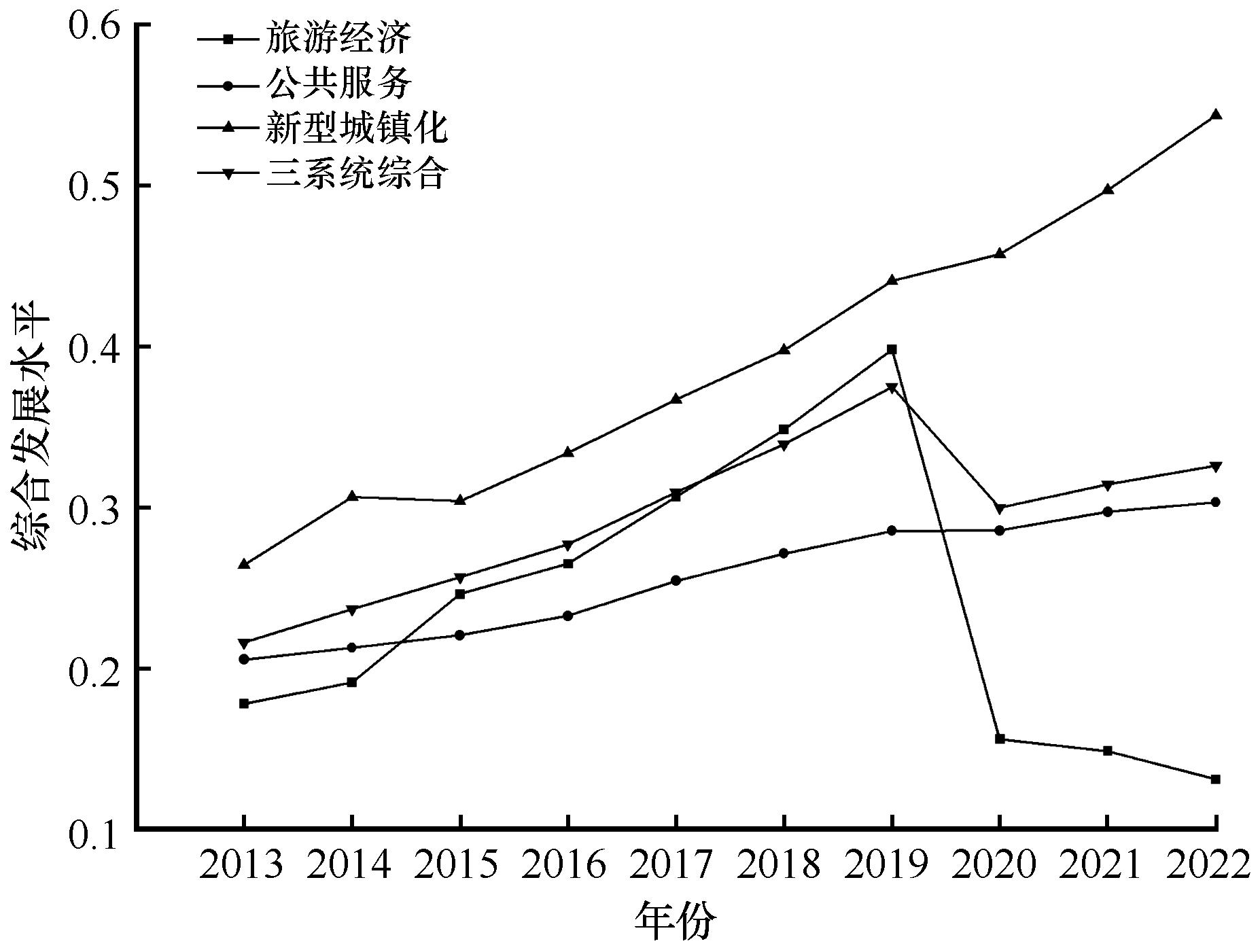
Fig.2 Comprehensive development level of each subsystem
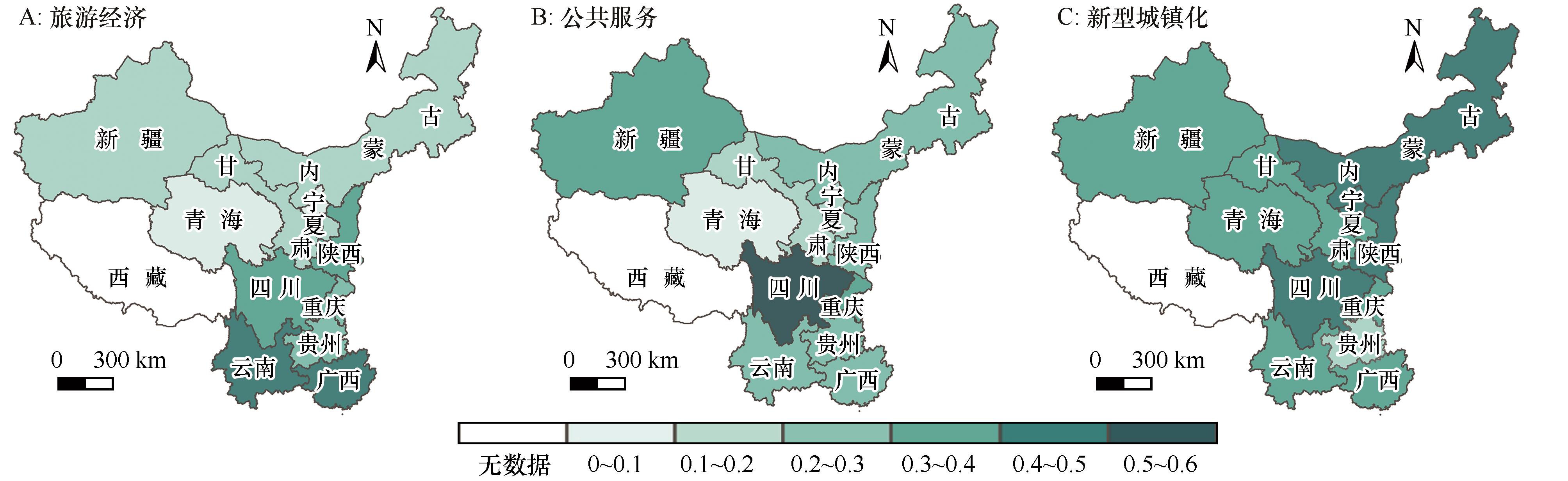
Fig.3 Spatial pattern of comprehensive development level of each subsystem
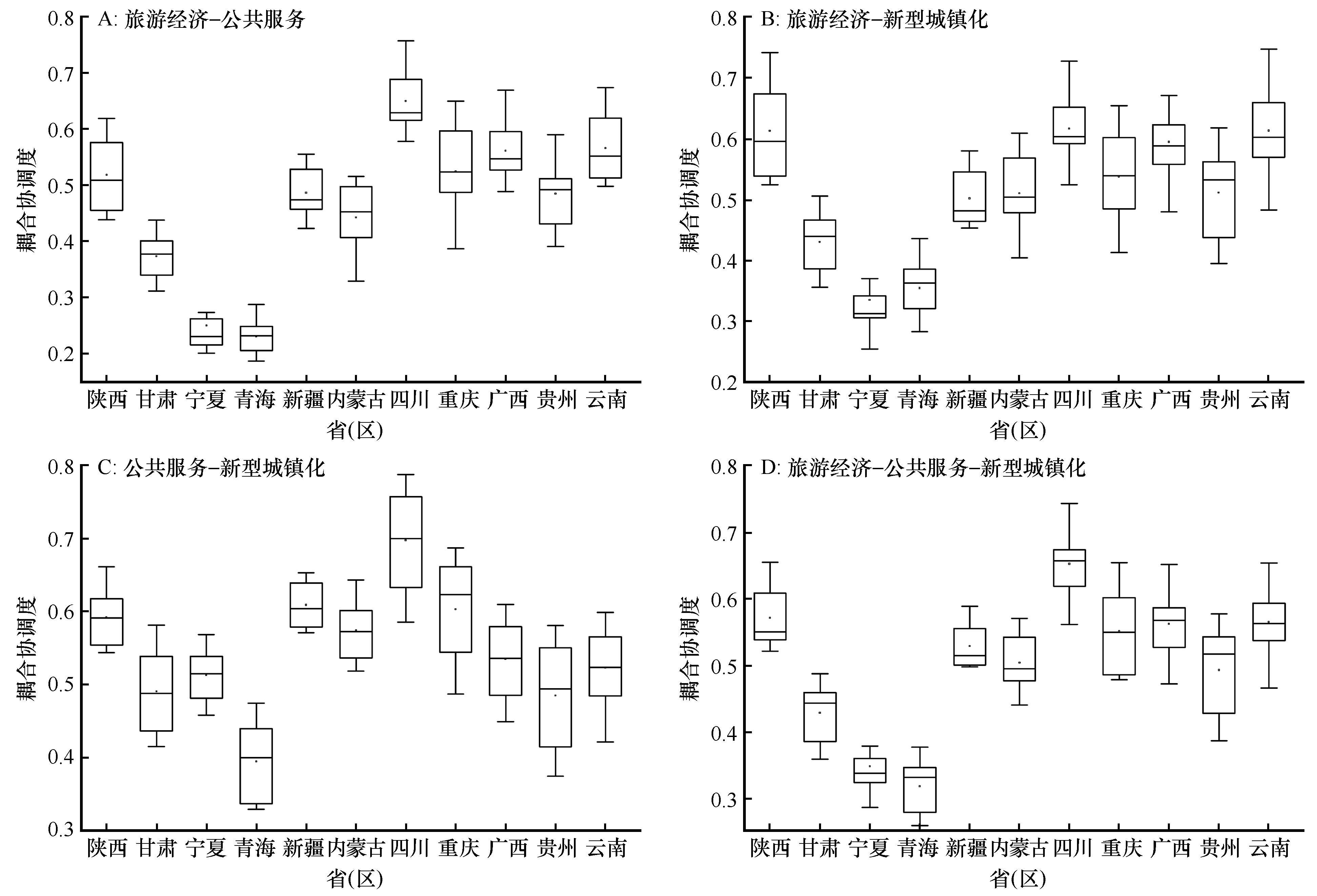
Fig.4 Coupling coordination between binary subsystems and ternary composite systems
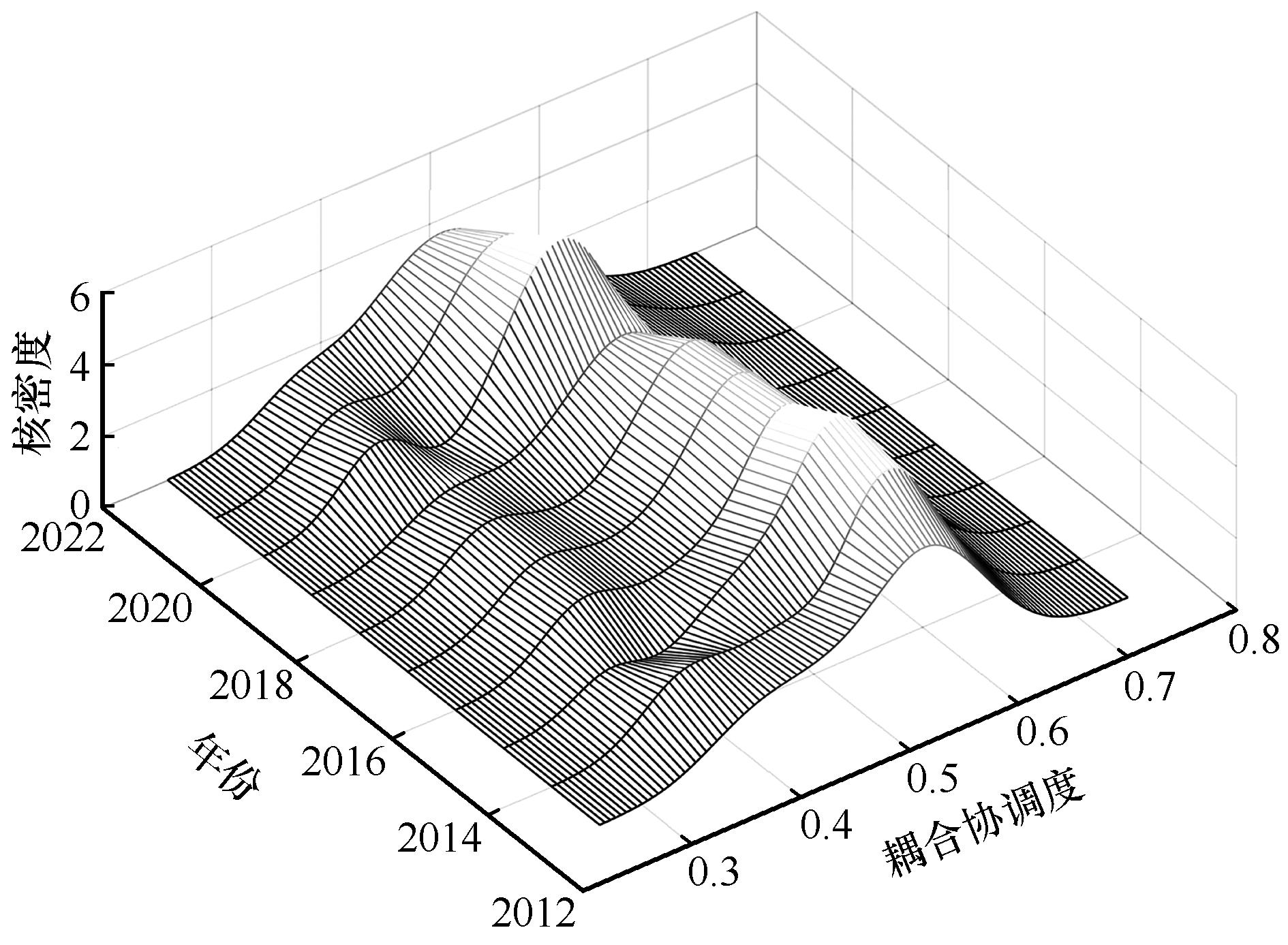
Fig.5 Kernel density estimation of coupled coordination between tourism economy, public services, and new urbanization
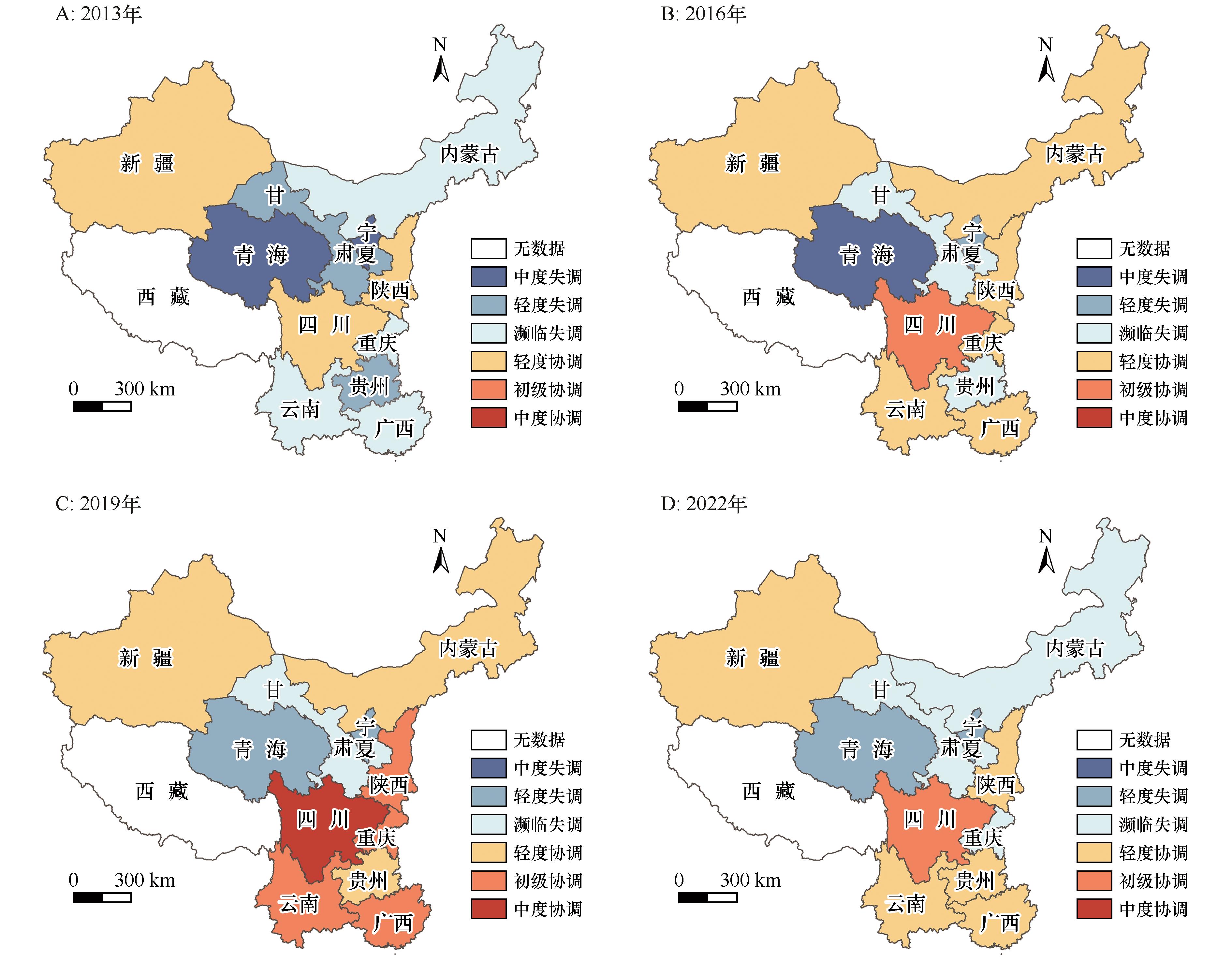
Fig.6 Spatial evolution pattern of coupling coordination degree
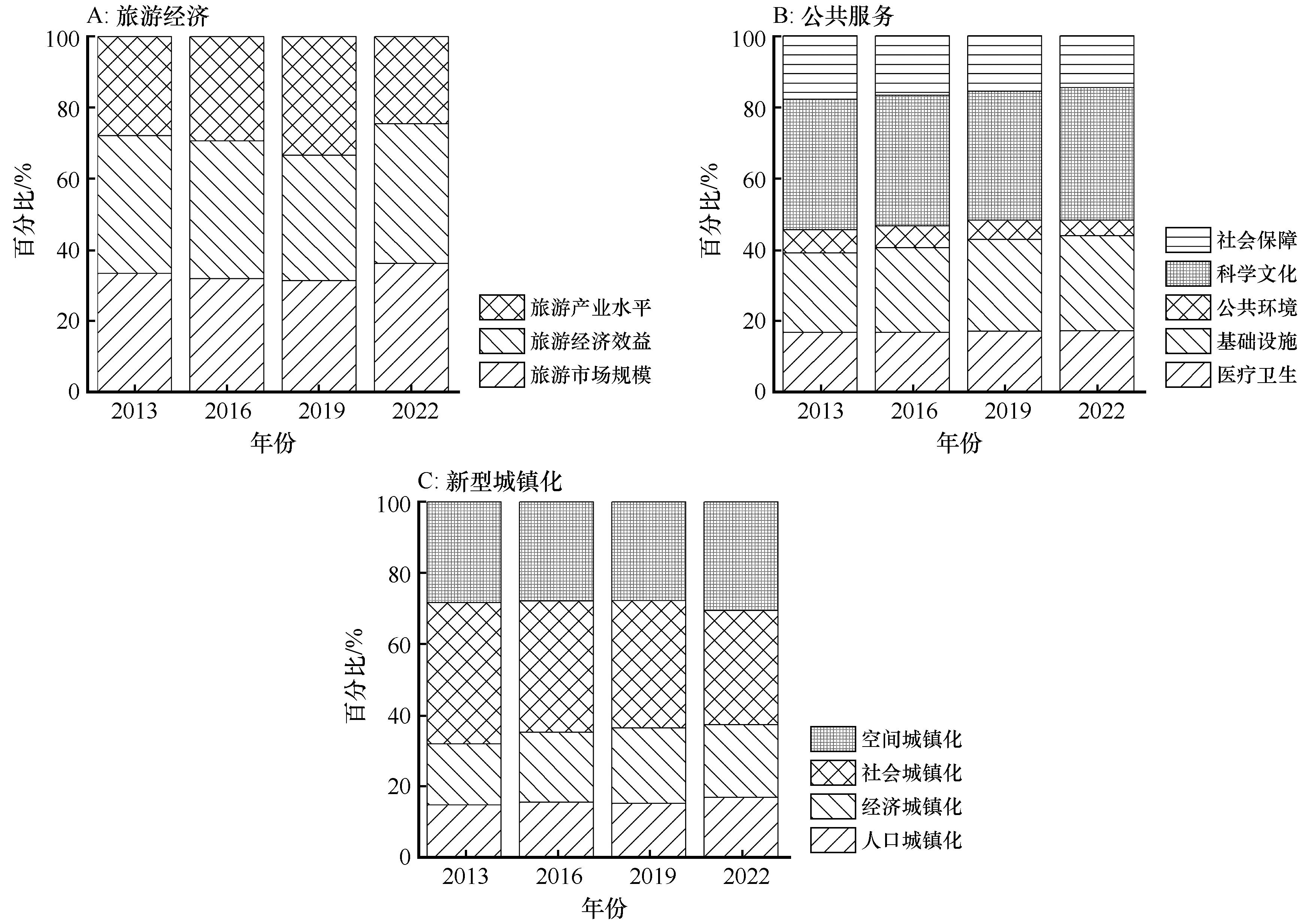
Fig.7 Obstacle factors at the guideline level of each system
| 省域 | 旅游经济 | 公共服务 | 新型城镇化 | ||||||
|---|---|---|---|---|---|---|---|---|---|
| 第一障碍因子 | 第二障碍因子 | 第三障碍因子 | 第一障碍因子 | 第二障碍因子 | 第三障碍因子 | 第一障碍因子 | 第二障碍因子 | 第三障碍因子 | |
| 陕西 | X2 | X3 | X4 | Y4 | Y8 | Y10 | Z6 | Z8 | Z10 |
| 甘肃 | X2 | X3 | X4 | Y4 | Y8 | Y10 | Z3 | Z8 | Z10 |
| 宁夏 | X1 | X2 | X4 | Y1 | Y4 | Y8 | Z2 | Z3 | Z10 |
| 青海 | X1 | X2 | X4 | Y1 | Y4 | Y8 | Z2 | Z3 | Z10 |
| 新疆 | X1 | X2 | X4 | Y1 | Y8 | Y10 | Z4 | Z8 | Z10 |
| 内蒙古 | X1 | X2 | X4 | Y4 | Y8 | Y10 | Z2 | Z7 | Z10 |
| 四川 | X2 | X4 | X5 | Y4 | Y8 | Y10 | Z2 | Z4 | Z8 |
| 重庆 | X2 | X3 | X4 | Y1 | Y4 | Y10 | Z2 | Z8 | Z10 |
| 广西 | X1 | X2 | X4 | Y4 | Y8 | Y10 | Z2 | Z4 | Z8 |
| 贵州 | X2 | X3 | X4 | Y1 | Y4 | Y8 | Z2 | Z8 | Z10 |
| 云南 | X1 | X2 | X4 | Y1 | Y4 | Y8 | Z2 | Z4 | Z10 |
Table 3 Obstacles in the indicator layer of tourism economy, public services, and new urbanization
| 省域 | 旅游经济 | 公共服务 | 新型城镇化 | ||||||
|---|---|---|---|---|---|---|---|---|---|
| 第一障碍因子 | 第二障碍因子 | 第三障碍因子 | 第一障碍因子 | 第二障碍因子 | 第三障碍因子 | 第一障碍因子 | 第二障碍因子 | 第三障碍因子 | |
| 陕西 | X2 | X3 | X4 | Y4 | Y8 | Y10 | Z6 | Z8 | Z10 |
| 甘肃 | X2 | X3 | X4 | Y4 | Y8 | Y10 | Z3 | Z8 | Z10 |
| 宁夏 | X1 | X2 | X4 | Y1 | Y4 | Y8 | Z2 | Z3 | Z10 |
| 青海 | X1 | X2 | X4 | Y1 | Y4 | Y8 | Z2 | Z3 | Z10 |
| 新疆 | X1 | X2 | X4 | Y1 | Y8 | Y10 | Z4 | Z8 | Z10 |
| 内蒙古 | X1 | X2 | X4 | Y4 | Y8 | Y10 | Z2 | Z7 | Z10 |
| 四川 | X2 | X4 | X5 | Y4 | Y8 | Y10 | Z2 | Z4 | Z8 |
| 重庆 | X2 | X3 | X4 | Y1 | Y4 | Y10 | Z2 | Z8 | Z10 |
| 广西 | X1 | X2 | X4 | Y4 | Y8 | Y10 | Z2 | Z4 | Z8 |
| 贵州 | X2 | X3 | X4 | Y1 | Y4 | Y8 | Z2 | Z8 | Z10 |
| 云南 | X1 | X2 | X4 | Y1 | Y4 | Y8 | Z2 | Z4 | Z10 |
| [1] | 舒小林,闵浙思,郭向阳,等.省域数字经济与旅游业高质量发展耦合协调及驱动因素[J].经济地理,2024,44(1):197-208. |
| [2] | Bachri S, Lonik L.Public service innovation:driving the growth of the tourism industry in Indonesia[J].Jurnal Ilmiah Ilmu Administrasi Publik,2023,13(2):623. |
| [3] | Yu F, Huang Z, Cao F,et al.Influence of China’s urbanization on tourism economic development[J].Journal of Natural Resources,2014,29(8):1297-1309. |
| [4] | Mullins P.Tourism urbanization [J].International Journal of Urban and Regional Research,1991,15(3):326-342. |
| [5] | 刘勤,曹开军,程咏春,等.新疆县市旅游城镇化响应的空间格局演变及影响因素[J].生态经济,2024,40(2):150-155. |
| [6] | 翁钢民,唐亦博,宋娜,等.京津冀城市群旅游城镇化与影响因素研究[J].地理与地理信息科学,2022,38(5):121-128. |
| [7] | 胡付照,曹炳汝.长江经济带城镇化对旅游发展格局的影响[J].地理与地理信息科学,2018,34(6):113-118. |
| [8] | 王坤,黄震方,余凤龙,等.中国城镇化对旅游经济影响的空间效应:基于空间面板计量模型的研究[J].旅游学刊,2016,31(5):15-25. |
| [9] | 余凤龙,黄震方.中国城镇化进程对农村居民旅游消费的影响[J].经济管理,2013,35(7):125-134. |
| [10] | 杜霞,方创琳,马海涛.沿海省域旅游经济与城镇化耦合协调及时空演化:以山东省为例[J].经济经纬,2021,38(1):15-26. |
| [11] | 邵海琴,吴卫,王兆峰.长江经济带旅游资源绿色利用效率与新型城镇化的时空耦合协调[J].经济地理,2021,41(8):204-213. |
| [12] | 轩源,周年兴,杨虹霓.中国大陆省域旅游效率与城镇化耦合协调的时空演变[J].地理与地理信息科学,2020,36(4):110-116. |
| [13] | 王兆峰,邱梦真.长三角城市群基础设施与旅游经济耦合协调时空格局演变及驱动机制[J].陕西师范大学学报(自然科学版),2024,52(4):1-14. |
| [14] | 弓志刚,郭润,马慧强,等.旅游经济-旅游公共服务-人口城镇化耦合协调发展时空演化[J].统计与决策,2021,37(9):83-87. |
| [15] | 林李月,朱宇,柯文前,等.基本公共服务对不同规模城市流动人口居留意愿的影响效应[J].地理学报,2019,74(4):737-752. |
| [16] | 于井远.公共服务质量与城乡收入差距:机制分析及中国经验[J].云南财经大学学报,2021,37(4):75-88. |
| [17] | 郭金云,郑艳红.新型城镇化试点政策对基本公共服务均等化的影响:基于我国2489个县域面板数据的实证分析[J].华东经济管理,2025,39(4):82-94. |
| [18] | 许恒周,赵一航,田浩辰.京津冀城市圈公共服务资源配置与人口城镇化协调效率研究[J].中国人口·资源与环境,2018,28(3):22-30. |
| [19] | 陆远权,张源.长江经济带基本公共服务与新型城镇化耦合协调发展研究[J].统计与决策,2023,39(12):85-89. |
| [20] | 尹鹏,王富喜,段佩利.中国基本公共服务效率与城镇化质量的时空耦合关系研究[J].地理科学,2021,41(4):571-579. |
| [21] | 刘维林.地方公共服务如何成为新型城镇化的新动力?:基于要素集聚及空间外溢效应的检验[J].城市发展研究,2021,28(9):109-115. |
| [22] | 陈长煜,段树国,李龙,等.西北五省区旅游经济与生态环境耦合协调关系研究[J].林业经济,2020,42(6):73-83. |
| [23] | 唐亦博,翁钢民,田菲菲.数字经济与文旅产业融合发展水平的时空演变及影响因素[J].统计与决策,2026,42(1):97-102. |
| [24] | 王金伟,王启翔,陆大道.数字经济、旅游经济与新型城镇化时空耦合格局及影响因素:以长三角地区为例[J].地理研究,2024,43(12):3301-3326. |
| [25] | 罗盛锋,王雅文,黄燕玲,等.耦合协调视角下旅游业与旅游公共服务协调发展研究:以桂林11县为例[J].湖南工业大学学报(社会科学版),2023,28(2):42-50. |
| [26] | 周成,任敏敏,邬超,等.黄河流域生态旅游网络关注度时空演化特征与影响因素[J].中国沙漠,2025,45(6):47-58. |
| [27] | Akroush M N, Jraisat L E, Kurdieh D J,et al.Tourism service quality and destination loyalty-the mediating role of destination image from international tourists' perspectives[J].Tourism Review,2016,71(1):18-44. |
| [28] | 张明雪,贺小荣,刘源.福建省旅游经济-城镇化-生态环境耦合协调度及时空差异研究[J].湖南师范大学自然科学学报,2023,46(6):11-20. |
| [29] | 王佳韡,冉光泰,肖世平,等.长江经济带旅游经济-城镇化-生态环境耦合研究[J].人民长江,2024,55(10):38-47. |
| [30] | 田穗,何怡然,郑海味.“数智化-旅游经济-生态环境”耦合协调度的动态演进[J].华东经济管理,2025,39(6):99-107. |
| [31] | 张旭红,周成,李艳艳,等.黄河流域旅游经济发展与生态环境压力的时空特征及动态解耦过程[J].中国沙漠,2022,42(3):241-250. |
| [32] | 武田艳,黎庆玲,何净净.基本公共服务-人口发展-区域经济耦合协调时空演变:以长三角城市群为例[J].地域研究与开发,2023,42(4):21-28. |
| [33] | 李琼,李松林,白杏,等.粤港澳大湾区基本公共服务与经济发展耦合协调的时空特征[J].地理科学进展,2022,41(9):1688-1701. |
| [34] | 论宇超,刘天宝,韩增林.中国城镇化与基本公共服务时空交互耦合关系及其驱动力分析[J].地理与地理信息科学,2022,38(1):124-132. |
| [35] | 周成,张旭红,张倩,等.黄河流域“五位一体”综合评价体系建构与空间差异研究[J].中国沙漠,2021,41(4):1-11. |
| [36] | 陈明星,叶超,陆大道,等.中国特色新型城镇化理论内涵的认知与建构[J].地理学报,2019,74(4):633-647. |
| [37] | 马梦瑶,唐健雄.中国西部旅游城镇化与人居环境的时空耦合协调性及驱动力[J].地理科学,2024,44(3):463-473. |
| [38] | 刘庆芳,王小坤,朱青,等.基于“三生”功能的西藏自治区水资源承载力系统耦合关系[J].自然资源学报,2023,38(6):1618-1631. |
| [39] | 张仲伍,王倩,祁佳瑶,等.黄河流域旅游-生态-公共服务协调发展及其影响因素[J].中国沙漠,2025,45(6):1-11. |
| [40] | 李光勤,李佳欣,郭细根.黄河流域绿色创新与绿色金融耦合协调的时空演化及区域差异[J].中国沙漠,2025,45(5):113-123. |
| [41] | 张含朔,程钰,孙艺璇.中国城市群绿色发展时空演变与障碍因素分析[J].湖南师范大学自然科学学报,2020,43(4):9-16. |
| [42] | 刘水清,尚松浩.云南省水资源-经济-旅游系统耦合协调度时空分析[J].水资源与水工程学报,2025,36(3):1-10. |
| Viewed | ||||||
|
Full text |
|
|||||
|
Abstract |
|
|||||
©2018Journal of Desert Research
Tel:0931-8267545
Email:caiedit@lzb.ac.cn;desert@lzb.ac.cn
Support:Magtech
